
Blooming
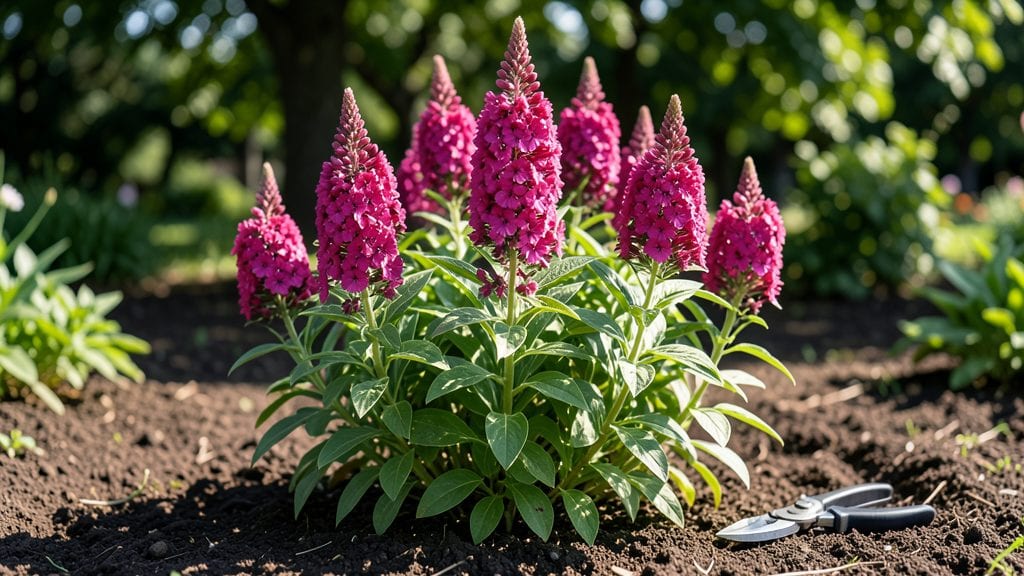
Garden phlox bloom for 4 to 6 weeks during their peak season, with late-summer varieties showing the longest displays. Strategic care like deadheading and proper maintenance can stretch their flowering season, and some reblooming types may even produce a second round of blooms under ideal growing conditions.
Garden phlox are famous for their vibrant, continuous blooms, but their duration depends heavily on when you plant them.
Early varieties kick off the show in midsummer, while late-summer types keep going until early fall. 🌸 The key to extending their display lies in consistent care—removing spent blooms regularly prevents energy waste and encourages new flowers.
I’ve seen phlox in my own garden last nearly 8 weeks when given the right conditions, including well-draining soil and morning sunlight.
What really makes phlox stand out is their ability to rebloom in certain cultivars. These varieties can produce a second flush of flowers if you deadhead promptly and provide balanced fertilizer.
The trick is to keep the plants healthy without overfeeding, which can lead to lush foliage at the expense of blooms. For the best results, I recommend using a low-nitrogen fertilizer during the blooming season to support flower production.
💡 In This Article
- Garden Phlox Blooming Duration Factors
- Maximizing Phlox Blooms: Deadheading and Reblooming Tips
Garden phlox blooming duration factors
Here's what's actually happening with phlox blooms: their duration is primarily governed by genetics and environmental triggers.
Early blooming varieties like 'David' or 'Blue Paradise' typically start in late June and peak for about 4 weeks, while late-season types such as 'Lipstick' or 'Olympic Flame' extend their display until early October.
The key biological mechanism is photoperiodism—phlox respond to daylight length, with longer days in summer triggering flower production, while shortening days in fall signal the end of primary blooming.
The science gets interesting when we look at temperature impacts. Phlox thrive in 60-75°F ranges, but extreme heat above 85°F can stress plants, causing buds to drop before opening.
I've noticed in my own garden that phlox planted in partial shade (especially in hot climates) often bloom 2-3 weeks longer than those in full sun. Soil fertility also plays a crucial role—phlox need well-draining, slightly acidic soil (pH 6.0-6.5) rich in organic matter to support continuous flowering.
A soil test revealing phosphorus levels below 40 ppm can significantly shorten bloom duration.
Watering consistency matters more than most gardeners realize. Phlox have shallow root systems that need 1-1.5 inches of water per week, but inconsistent moisture leads to stressed plants that produce fewer blooms. I've seen phlox in drought conditions reduce their bloom time by 30% compared to properly watered counterparts.
The secret is maintaining even moisture—drip irrigation works best as it delivers water directly to roots without wetting foliage (which can promote fungal diseases).
What most people don't realize is how light intensity affects bloom duration. While phlox tolerate 4-6 hours of sunlight daily, they actually perform better with morning sun and afternoon shade in hot regions. This light pattern prevents heat stress while still providing enough energy for continuous flowering.
The trade-off is that full-sun phlox locations may see 10-15% more blooms per stem but with slightly shorter overall duration due to accelerated flowering cycles.
Let's talk about those reblooming cultivars—they're the exception that proves the rule. Varieties like 'Blue Moon' or 'Starfire' can produce secondary blooms because they've been bred to have multiple flowering cycles. The mechanism involves selective breeding that extends the plant's juvenile phase (when it's capable of producing flowers).
These types need regular deadheading and balanced fertilization to maintain their extended bloom periods, often lasting 6-8 weeks total when properly cared for.
One final factor worth noting is the role of pollinators. Heavy butterfly and bee activity can actually shorten individual bloom duration by 20-30% as they strip petals quickly. However, this trade-off often results in more total blooms over time as the plants respond to pollination by producing new buds.
The visual effect is stunning—clusters of phlox that seem to continuously refresh themselves throughout the season.