Advice
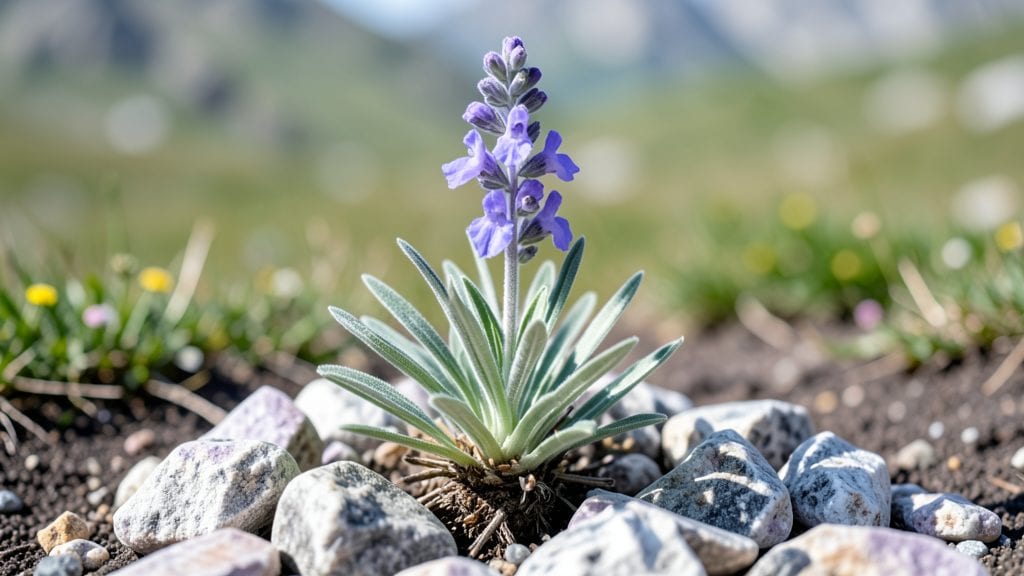
Gardening at high elevations means working with a shorter growing season and colder temperatures, but it’s not impossible to grow a thriving garden—you just need the right approach. ✨ I’ve spent years perfecting my high-altitude garden, and the key is choosing plants that can handle the chill, adjusting your soil, and watering smartly to beat the dry mountain air.
The biggest challenge up here is the thin air and cooler temps, which slow everything down. But with the right soil amendments—like compost and mulch—and a focus on hardy varieties (think potatoes, kale, and cold-resistant flowers), you can still get a productive harvest.
I’ve found that planting a little later and using row covers extends the season significantly.
You’ll see faster germination in the right conditions, and with proper watering—deep but infrequent—your plants will establish strong roots. The payoff? A garden that not only survives but thrives, even when your neighbors are struggling with frost. Let’s get those seeds in the ground the right way.
Works for elevations from 3,000 feet up, whether you’re in the Rockies, Andes, or Appalachians. The principles stay the same—just tweak the timing and plant choices for your specific zone. Ready to make it work?
📚 In This Guide
- What you need
- Instructions
- Tips and common mistakes
- Wrapping up and next steps
What you need
- ● Soil Amendments: Compost (2–3 cubic yards per 100 sq ft) – Boosts organic matter and water retention.
- ● Peat moss or coconut coir (1–2 bags per 10 sq ft) – Improves drainage in rocky or sandy soil.
- ● Perlite or vermiculite (5–10 lbs) – Adds aeration to dense, high-altitude soils.
- ● Watering Supplies: Drip irrigation kit (with emitters for slow, deep watering) or soaker hoses.
- ● Rain barrels or water storage tanks (50+ gallons) – Conserves water in dry climates.
- ● Hose with a pressure regulator (if using city water) – Prevents erosion.
- ● Plant Support: Cold frames or row covers (frost-resistant fabric) – Extends the growing season.
- ● Black plastic mulch (10–20 ft rolls) – Warms soil and suppresses weeds.
- ● Trellises or cages (for vining plants like beans or cucumbers).
- ● Tools: Trowel and transplanting spade (sturdy, stainless steel).
- ● Pruners (bypass pruners for clean cuts).
- ● Garden fork (for aerating dense, high-altitude soil).
- ● pH testing kit (to adjust soil acidity, ideal range: 6.0–7.0).
- ● Soil Warmers: Electric soil warming mats (for early starts) or black plastic tunnels.
- ● Shade Cloth: 30–50% shade fabric (protects plants from intense UV at high elevations).
- ● Windbreaks: Burlap screens or tall plants (like sunflowers) to reduce wind damage.
- ● Slow-Release Fertilizer: High-nitrogen blends (e.g., 10-10-10) for nutrient-poor soils.
- ● Altitude-Adapted Seeds: Varieties like Potato ‘Yukon Gold’, Carrot ‘Danvers’, or Tomato ‘Mountain Merit’ (check seed packets for "high elevation" labels!).
Step-by-Step guide to thriving plants in high elevation gardens
Here’s how I’ve adapted classic techniques to grow resilient plants above 5,000 feet—where cooler temps and thinner air demand extra care.
🌱 Step 1: Adjust Plant Selection for Cooler Climates
High elevation gardens thrive with cold-hardy varieties that tolerate shorter growing seasons. I swap heat-loving tomatoes for cherry tomatoes (like 'Sweet 100') or sturdy heirlooms (like 'Brandywine'), which handle cooler nights better. For flowers, cosmos, snapdragons, and hardy perennials like coneflowers outperform tropical picks.
Check your USDA hardiness zone—most high-elevation gardens fall into Zones 3-6, so choose plants rated for 10°F colder than your average low. Seed packets often list "days to maturity" based on lowland heat; add 2-3 weeks to those estimates for high-altitude growing.
☀️ Step 2: Extend the Growing Season Strategically
Use row covers or cold frames to trap heat and protect tender plants. I drape floating row covers over early seedlings to raise soil temps by 5-10°F, speeding germination. For late-season crops, black plastic mulch absorbs sunlight and warms roots—critical for extending harvests past the first frost.
Start seeds 4-6 weeks earlier indoors under grow lights (not windowsills—high-altitude light is already dimmer). Seedlings need 16+ hours of light daily to avoid leggy growth. Transplant outdoors only after nighttime temps stay above 45°F for a week.
💧 Step 3: Master Water Management for Thinner Air
Soil dries 30-50% faster at high elevations due to lower humidity. I water deeply 2-3 times weekly (instead of daily) to encourage deep root growth. Use a moisture meter—aim for 40-50% soil moisture at 2-inch depth. Overwatering causes rot; underwatering stresses plants.
Mulch 3-4 inches thick with straw or wood chips to retain moisture and regulate soil temps. Avoid organic mulch too close to stems—it can smother plants in the damp conditions common at altitude. Drip irrigation works best; overhead watering wastes precious moisture.
✂️ Step 4: Fertilize for Nutrient-Hungry Soil
High-altitude soils often lack organic matter, so I double the recommended fertilizer rates for vegetables. Use a balanced 10-10-10 at planting, then switch to low-nitrogen 5-10-10 mid-season to boost flowering/fruiting. Compost tea or fish emulsion (applied every 4 weeks) replenishes micronutrients lost in thin air.
Side-dress slow-release granules (like Osmocote) around plants at half their height to avoid burning roots. High elevations demand more frequent feeding—plants grow slower but need steady nutrients. Test soil pH annually; aim for 6.0-7.0—alkaline soils (common at altitude) lock out phosphorus.
⏰ Step 5: Time Harvests and Protect Late Crops
Harvest leafy greens, radishes, and peas early—these tolerate cooler temps. Wait until after the last frost (usually late May-June at 5,000+ feet) to plant heat lovers like peppers or eggplants. I plant succession crops every 2 weeks to stagger harvests and maximize the short season.
For fall crops, use low tunnels or cloches to extend harvests into October or November. Protect tender plants from early frosts (which hit harder at altitude) with burlap wraps or frost cloth. Harvest tomatoes and peppers before the first hard frost—they won’t ripen after being chilled.
Tips & tricks for thriving high elevation gardens
High elevation gardening demands precision—thin air and cooler temperatures change everything. These battle-tested strategies will help you sidestep common altitude pitfalls and maximize your harvest.
Cold-Hardy Plant Selection: When choosing varieties in Step 1, prioritize plants with thick stems and waxy leaves—these traits help retain moisture and withstand cooler nights. For example, 'Sweet 100' cherry tomatoes thrive at altitude because their smaller size ripens faster than larger varieties. I also recommend checking seed packets for "days to maturity" and adding 2-3 extra weeks to account for slower growth rates at 5,000+ feet. This adjustment prevents disappointment when plants don't produce as quickly as lowland estimates suggest.
Season Extension Hacks: In Step 2, don't underestimate the power of black plastic mulch—it can raise soil temperatures by 10-15°F on sunny days, which is critical for heat-loving crops. For seed starting, invest in full-spectrum grow lights rather than relying on windowsills. Natural light at high elevations is already 20-30% dimmer than at sea level, and seedlings need that 16+ hours of light to prevent leggy growth. I place my grow lights just 4-6 inches above seedlings and adjust as they grow.
Precision Watering Strategy: The 2-3 times weekly watering schedule in Step 3 requires careful monitoring. Use a moisture meter to verify 40-50% soil moisture at 2-inch depth—this is your target, not an estimate. At altitude, soil can appear moist on the surface while being bone-dry below. I water deeply in the morning to allow foliage to dry before evening, which prevents fungal issues common in high-elevation dampness. For container gardens, increase watering frequency by 25% since pots dry out faster.
Soil pH Management: Step 4 emphasizes doubling fertilizer rates, but first address your soil's pH—most high-altitude soils are naturally alkaline. Test your soil annually and amend with elemental sulfur if pH exceeds 7.0. I apply sulfur at 1 pound per 100 square feet in early spring, then retest in 4-6 weeks. This adjustment unlocks phosphorus uptake, which is often limited in alkaline soils. For acid-loving plants like blueberries, consider raised beds with peat moss to create the ideal 4.5-5.5 pH range.
Pro Tips for High Elevation Gardening
- High elevation gardening demands precision—thin air and cooler temperatures change everything.
- Cold-Hardy Plant Selection: When choosing varieties in Step 1, prioritize plants with thick stems and waxy leaves—these traits help retain moisture and withstand cooler nights.
- Season Extension Hacks: In Step 2, don't underestimate the power of black plastic mulch—it can raise soil temperatures by 10-15°F on sunny days, which is critical for heat-loving crops.
Frequently asked questions
Got questions about growing plants at high elevations? You’re not alone—altitude gardening comes with unique challenges! Here are some of the most common queries (and their practical solutions) to help you thrive above 5,000 feet.
How does elevation affect plant growth?
Higher elevations mean cooler temps, thinner air, and shorter growing seasons. Plants struggle to absorb sunlight and nutrients efficiently. Solution: Choose cold-hardy, fast-maturing varieties (like potatoes or kale) and extend the season with row covers or cold frames.
When should I plant in high-altitude gardens?
Start 2–4 weeks later than lowland guidelines—wait until after the last frost (usually May–June) and focus on heat-loving crops (tomatoes, peppers) in late June for best results. Use soil thermometers to track warmth! →
What are the best high-elevation crops?
Prioritize cool-season staples like:
- Leafy greens (spinach, lettuce)
- Root veggies (carrots, beets)
- Hardy brassicas (broccoli, cabbage)
- Potatoes (they thrive in cooler soils!)
How can I improve soil at high elevations?
Thin, rocky soil? Amend with compost, peat moss, or aged manure to boost organic matter. Test pH (aim for 6.0–7.0) and mulch heavily to retain moisture. Pro tip: Raised beds warm up faster and drain better—ideal for short seasons!
Are pests and diseases different at high elevations?
Fewer insects (good news!) but fungal diseases (like powdery mildew) thrive in cool, damp conditions. Prevent: Space plants for airflow, use reflective mulch, and rotate crops yearly. Neem oil helps deter fungal spores.
Wrapping up and next steps
High elevation gardening is all about working with nature’s challenges—not against them! By choosing the right plants, amending your soil, and adapting your care routine, you can create a thriving garden even at lofty heights. 🌿✨ The key is patience, observation, and a willingness to experiment.
Ready to take the next step? Start small—test a few cold-hardy plants in containers or raised beds, then expand as you learn what flourishes best in your unique microclimate. Happy gardening, and may your elevation be your advantage!