
Propagation
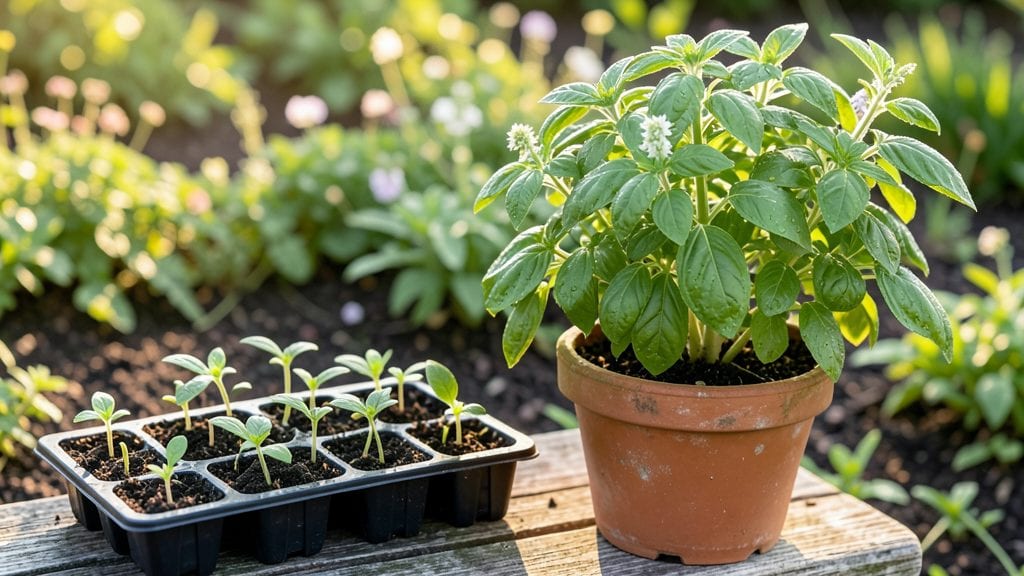
Starting an herb garden from seeds is the fastest way to get fragrant, productive plants that outshine anything you can buy—✨ I’ve grown basil, parsley, and cilantro from seed dozens of times, with some batches sprouting in just 3 days while others take a week, but the payoff is always worth it.
The secret lies in choosing the right varieties and creating the ideal conditions from day one.
You’ll need just a few simple supplies: fast-draining potting mix, small containers (even recycled egg cartons work), and a sunny windowsill or grow light. Most herbs prefer well-draining soil and consistent moisture, but they hate soggy roots—overwatering is the #1 killer of young seedlings.
With the right setup, you’ll see tiny green sprouts within days, not weeks.
By the time you’re snipping fresh basil for pasta or parsley for salads, you’ll wonder why you ever bought herbs at the store. These plants keep producing all season long, and the flavor is shockingly superior to anything pre-packaged.
Plus, you’ll save money and avoid the disappointment of wilted grocery-store herbs that lasted two days.
The best part? This method works in apartments, kitchens, or even a sunny balcony—no yard required. Once you master the basics, you can expand to slower-growing herbs like dill or rosemary. Let’s get those seeds sprouting!
📚 In This Guide
- What you need
- Instructions
- Tips and common mistakes
- Wrapping up and next steps
What you need
- ● Seeds: Fast-germinating herb varieties like basil, cilantro, dill, parsley, or chives (choose organic or non-GMO for best results). Aim for 5–10 seeds per herb type.
- ● Seed-starting trays or small pots: 2–4 inch pots or a seed tray with cell inserts (biodegradable options work too!).
- ● High-quality potting mix: A seed-starting mix (lightweight and sterile) or a blend of 50% peat moss, 30% perlite, and 20% compost.
- ● Watering can or spray bottle: With a fine mist nozzle to avoid disturbing seeds.
- ● Grow lights or sunny windowsill: A full-spectrum LED grow light (12–16 hours/day) or a south-facing window (6+ hours of sunlight).
- ● Plant labels: Small sticks or tags with a permanent marker to track your herbs.
- ● Trowel or small shovel: For transplanting seedlings later.
- ○ Heat mat (optional): Speeds up germination for slow-starting seeds (like parsley).
- ● Fertilizer: A balanced, water-soluble fertilizer (5-5-5 or 10-10-10) or fish emulsion (diluted to half-strength).
- ● Mulch or row cover: Protects young seedlings from pests or cold drafts.
- ● Humidity dome or plastic wrap: Keeps moisture in during germination (remove once sprouts appear!).
- ○ Garden journal (optional): To log planting dates, watering schedules, and growth milestones.
Step-by-Step instructions for fast-germinating herb garden from seeds
Here’s how to get your herb garden growing in just days—not weeks.
🌱 Step 1: Select and Prep Fast-Germinating Seeds
Start with herbs known for quick germination: basil, cilantro, dill, and parsley sprout within 5-10 days under ideal conditions. Skip rosemary or thyme—they take 2-3 weeks and are better bought as starts. Soak seeds overnight in lukewarm water to soften their outer coating, which speeds up germination.
Use a fine-mesh strainer to drain the seeds the next morning. This ensures they’re hydrated but not waterlogged. I like to plant seeds in small, shallow containers (like egg cartons) because they germinate faster in cozy, moist conditions. Keep the soaked seeds in a sealed container with a damp paper towel until you’re ready to plant—this maintains moisture without drowning them.
💧 Step 2: Plant Seeds in Warm, Moist Soil
Fill your containers with sterile seed-starting mix (never garden soil—it’s too dense and may carry fungus). Press the mix down lightly so it’s firm but not packed. Plant seeds ¼ inch deep—any deeper and they’ll struggle to reach light. I use a toothpick to poke tiny holes for seeds, then drop them in one by one.
Cover the seeds with a thin layer of soil and mist the surface with water until it’s damp but not soggy. Place the containers in a warm spot (70-75°F)—a sunny windowsill or a seedling heat mat works best. Cover them loosely with plastic wrap to trap warmth and moisture, but leave a tiny gap for airflow. Check daily for condensation—if the wrap fogs up, remove it for 10 minutes to prevent mold.
☀️ Step 3: Provide Light and Monitor Germination
As soon as the first green sprouts appear (usually 3-7 days), remove the plastic wrap immediately. Seedlings need airflow to prevent damping-off, a fungal disease that rots stems overnight. Place them under grow lights or a south-facing window for 12-14 hours of light daily. Without enough light, seedlings stretch toward the source (called "legginess") and weaken.
Water gently from the bottom by placing containers in ½ inch of water for 10 minutes. This encourages roots to grow downward instead of sitting in wet soil. You’ll know moisture is right when the soil surface looks slightly damp but not glistening. Avoid overhead watering—it spreads disease and washes away seeds.
🌿 Step 4: Thin and Transplant for Strong Growth
Once seedlings have 2-3 true leaves (not just the initial seed leaves), thin them so the strongest plant remains per container. Use scissors to snip weaker stems at soil level—this reduces stress on the roots. If you’re transplanting, harden off seedlings by moving them outside for 1-2 hours daily over 5-7 days, gradually increasing their time outdoors.
Transplant to 4-inch pots or directly into the garden when nighttime temperatures stay above 50°F. Space plants 6-12 inches apart, depending on the variety. Basil and parsley need more room, while dill and cilantro tolerate closer spacing. Water deeply after transplanting to settle the soil and encourage root growth.
✂️ Step 5: Maintain and Harvest for Continuous Growth
Herbs like basil and cilantro thrive with regular harvesting—pinch back stems just above a set of leaves to encourage bushier growth. Dill and parsley benefit from occasional pruning to prevent flowering, which makes leaves bitter. Water when the top inch of soil feels dry, but avoid soggy conditions—herbs hate wet feet.
Fertilize lightly every 4-6 weeks with a balanced, water-soluble fertilizer (like 10-10-10) diluted to half strength. You’ll see new growth within a week—that’s your signal everything is working. With fast-germinating varieties, you’ll have fresh herbs ready in 4-6 weeks, and with proper care, they’ll keep producing all season.
Tips & tricks for perfect fast-germinating herb garden
Here’s what I’ve learned after growing herbs from seed for years—these tricks cut your wait time in half while keeping plants healthy.
Soaking Secret: The overnight soak in Step 1 is non-negotiable for fast germination. Use lukewarm water (not hot) and a sealed container with a damp paper towel to maintain moisture. I’ve seen seeds sprout in just 24 hours when soaked properly—double the rate of dry planting. Pro tip: Add a drop of honey to the soaking water for natural antifungal protection.
Warmth is Everything: That 70-75°F range in Step 2 is critical—most homes stay around 68°F, which slows germination. Place containers on top of your fridge or near a sunny window during the day. If your home runs cooler, consider a seedling heat mat ($10 at garden stores) for consistent warmth. I’ve had basil pop up in 3 days with heat, versus 7 days without.
Lighting Hack: For the 12-14 hours of light in Step 3, position containers within 6 inches of a south-facing window or under grow lights. If using natural light, rotate containers daily so all sides get equal exposure. I keep mine on a turntable under fluorescent shop lights for even growth—no leggy seedlings here.
Transplant Timing: Wait for nighttime temps above 50°F in Step 4 before moving seedlings outdoors. Check your local weather forecast for overnight lows—cold snaps can shock tender plants. I harden off mine by placing containers outside during the day and bringing them in at night for the first 5-7 days, gradually increasing their outdoor time.
Pro Tips for Herb Garden From Seeds
- Here’s what I’ve learned after growing herbs from seed for years—these tricks cut your wait time in half while keeping plants healthy.
- Soaking Secret: The overnight soak in Step 1 is non-negotiable for fast germination.
- Warmth is Everything: That 70-75°F range in Step 2 is critical—most homes stay around 68°F, which slows germination.
Frequently asked questions
Got questions about growing your own herb garden from seeds? You’re not alone—starting from scratch can feel overwhelming! Below, we’ve answered the most common questions to help you grow confidently.
What are the fastest-growing herbs from seeds?
If you’re short on patience, opt for cilantro, basil, or dill—they typically sprout in 5–14 days! Parsley and chives take a little longer (14–21 days) but are still quick compared to other veggies. Always check seed packets for exact germination times!
How long does it take for herbs to mature enough to harvest?
Most fast-germinating herbs like basil and cilantro reach harvestable size in 4–6 weeks, while dill and parsley may take 6–8 weeks. Regularly pinch back leaves to encourage bushier growth—this speeds up readiness!
Can I grow herbs from seeds indoors before transplanting outdoors?
Start seeds 6–8 weeks before your last frost date in trays with well-draining soil under grow lights (or a sunny windowsill). Harden off seedlings by gradually exposing them to outdoor conditions for 7–10 days before planting. This boosts survival rates!
What should I do if my herb seeds aren’t germinating?
First, check moisture—seeds need consistent dampness (not soggy soil). If they’re still slow, try scarifying (lightly nicking the seed coat) or soaking them overnight. Some herbs (like parsley) need cold stratification—place them in the fridge for 1–2 weeks before planting. Patience pays off!
Are there affordable alternatives to buying herb seeds?
Yes! Save seeds from store-bought herbs (like basil or cilantro) by letting them flower and dry on the plant. Store them in a cool, dark place for up to a year. Just avoid hybrid varieties—they may not produce true-to-type seeds.
Still stumped? Drop your questions in the comments—we’re happy to help you grow!
Wrapping up and next steps
Starting an herb garden from seeds is a rewarding journey that brings fresh flavors and natural beauty right to your doorstep! 🌱 With fast-germinating varieties like basil, cilantro, and dill, you’ll enjoy quick success and a bountiful harvest in no time.
Whether you’re a beginner or a seasoned gardener, the key is patience, proper care, and a little creativity—your green thumb is closer than you think!
Ready to take the next step? Pick your favorite herbs, grab your seeds, and start planting today! Your kitchen—and taste buds—will thank you. Happy growing! 🌿