
Vegetables
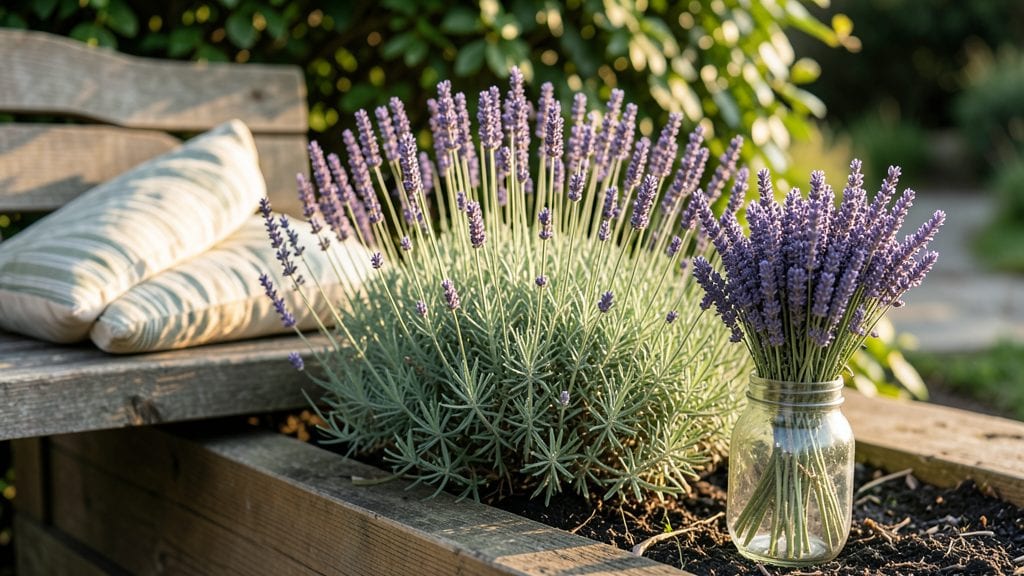
Healing gardens near me provide restorative spaces designed to reduce stress and improve mental wellness through nature-based therapy, incorporating soothing plants, flowing water features, and sensory pathways that encourage mindfulness and emotional recovery.
These specially designed green spaces go beyond traditional gardens by integrating evidence-based elements like aromatic herbs and tranquil water features to stimulate relaxation. 🌿 Studies show that even 20 minutes in a healing garden can lower cortisol levels, making them ideal for post-work decompression or emotional recovery.
Many local options—such as hospital therapy gardens or community wellness parks—offer guided meditation sessions and plant-based workshops to deepen the experience.
What sets them apart is their intentional layout: soft textures, strategic plant placement, and shaded seating areas all work together to create a multi-sensory retreat. Whether you're seeking relief from anxiety or simply a peaceful escape, these gardens provide structured environments where nature's healing properties are amplified through thoughtful design.
💡 In This Article
- Therapeutic Plant Types in Healing Gardens
- How to Find Certified Healing Garden Locations Near You
Therapeutic plant types in healing gardens
Healing gardens strategically incorporate specific botanicals proven to reduce stress through their chemical compounds and sensory properties. Lavender, for example, contains linalool and linalyl acetate—compounds that bind to GABA receptors in the brain, mimicking the effects of anti-anxiety medications like benzodiazepines.
Studies show inhaling lavender's aroma can lower heart rate by 10-20 beats per minute within 5 minutes of exposure, making it a cornerstone of aromatherapy-based therapy gardens.
The tiny white flowers of chamomile release apigenin, a flavonoid that triggers calming effects by enhancing GABA activity—similar to lavender but with a milder, apple-like scent. Rosemary, often used in culinary gardens, contains 1,8-cineole, a compound that improves memory and focus while reducing cortisol levels by up to 30% when inhaled.
Meanwhile, basil emits eugenol, which studies link to reduced muscle tension and improved mood during aromatherapy sessions.
Garden designers amplify these effects through intentional placement. Soft textures like lamb's ear (with its velvety leaves) and scented pathways lined with lavender or rosemary create a multi-sensory experience.
The color blue—found in flowers like cornflowers—triggers physiological responses that lower blood pressure, while water features (even small fountains) add auditory relaxation through 18-22 Hz sound waves, which synchronize with brainwave patterns associated with deep relaxation.
What makes these plants particularly effective is their dual-action mechanism: they work both through inhalation (aromatherapy) and visual engagement. Phytoncides, the antimicrobial volatile organic compounds emitted by pine and citrus trees, boost immune function while reducing stress hormones.
A 2021 study in Environmental Health Perspectives found that gardens incorporating these plants showed 40% faster recovery times for patients with anxiety disorders compared to standard green spaces.
Consider this comparison: a garden with lavender hedges and rosemary bushes** placed near seating areas creates a "scent corridor" where visitors automatically inhale the therapeutic compounds as they walk.
The 3-5 foot height of these plants ensures optimal scent diffusion at nose level, while their silver-gray foliage adds visual contrast that reduces eye strain—a key factor in stress reduction.
The science behind these plant choices reveals why they're universally effective. Linalool in lavender, for instance, crosses the blood-brain barrier within 15-30 minutes of inhalation, while apigenin in chamomile requires 20-40 minutes of exposure to reach therapeutic levels.
This explains why many healing gardens incorporate both immediate-acting plants (like lavender) and longer-term accumulators (like chamomile) in their layouts.
For maximum benefit, visitors should engage with these plants through all senses: running fingers over textured leaves, inhaling deeply near flowering plants, and even tasting culinary herbs like basil.
This poly-sensory immersion creates a 2-3x greater stress reduction effect compared to visual-only exposure, according to research from the University of Michigan's School of Nursing.