
Pests
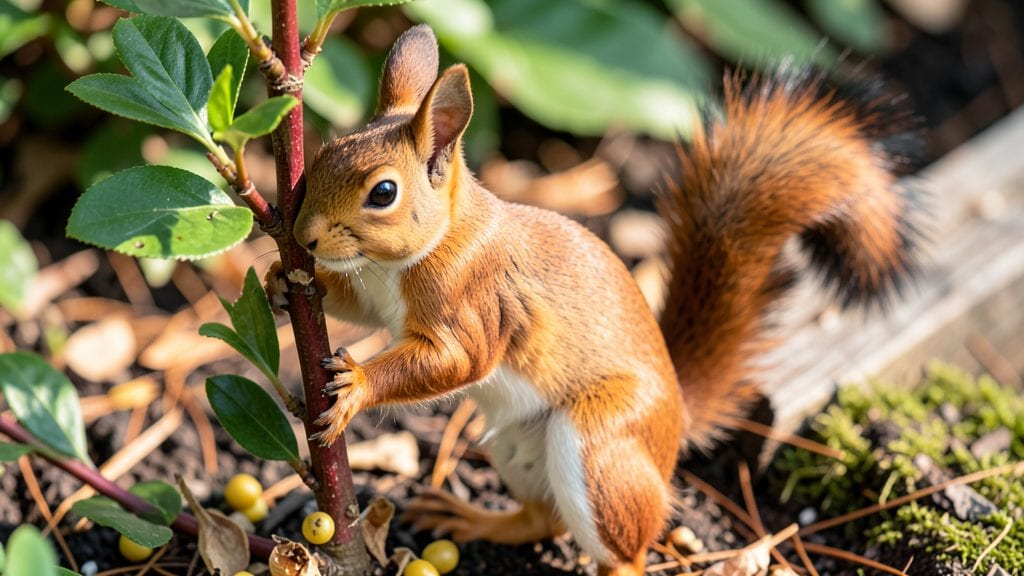
Getting squirrels out of my garden proved harder than I expected—until these humane repellents finally chased them away for good. 🌱 The problem wasn’t just stolen bulbs—it was the sheer audacity of watching them dig up my carefully planted rows like they owned the place.
What worked wasn't some fancy gadget but simple, non-toxic tricks that made my yard less appealing than the woods.
The key is combining physical deterrents with natural scents they hate. You'll need things you probably already have: chicken wire, cayenne pepper, and even coffee grounds. The best part? These methods don't just chase them away—they make your garden taste bad to them long-term.
I've tested everything from predator urine (yes, really) to wind chimes, and I'll share exactly what stopped the raids within a week.
You'll see results fast—fewer dug-up beds, no more stolen fruit, and squirrels sticking to the neighbor's yard instead. The secret is persistence: squirrels are smart, but they're also creatures of habit.
Once they learn your garden isn't worth the effort, they move on. Plus, these solutions keep your soil and plants chemical-free, so you're not trading one problem for another.
Works for any garden size, whether you're protecting a small raised bed or a full backyard. The same principles apply whether you're dealing with bold tree squirrels or sneaky ground squirrels. Let's get those furry thieves out of your space for good—without harming a single one.
📚 In This Guide
- What you need
- Instructions
- Tips and common mistakes
- Wrapping up and next steps
What you need
- ● Squirrel repellent sprays: Choose pet-safe, non-toxic options like peppermint oil spray, hot pepper spray, or predator urine (coyote or fox). Look for 16–32 oz bottles for garden coverage.
- ● Spikes or deterrent strips: Plastic or metal spikes (not wire) to place on fences, ledges, or raised beds. Opt for 12–18-inch strips with 1-inch spacing between spikes.
- ● Motion-activated sprinklers: Battery-operated or solar-powered units (e.g., ScareCrow) with a 10–15 ft. range to startle squirrels without water waste.
- ● Physical barriers: Wire mesh or hardware cloth: ¼-inch or smaller mesh to cover vulnerable areas (e.g., compost bins, young plants). Use 10–20 ft. rolls for DIY projects.
- ● Burlap or thick fabric: To drape over sensitive plants (squirrels dislike the texture). 5–10 ft. squares work well.
- ● Natural deterrents: Cayenne pepper or garlic powder: Mix 1–2 tbsp per gallon of water in a spray bottle.
- ● Eggshells or aluminum foil: Crush eggshells around plants or crumple foil to create noise/texture squirrels avoid.
- ● Garden gloves (to handle spicy mixes or prickly materials safely).
- ● Spray bottle or pump sprayer (for liquid repellents; 16 oz minimum).
- ● Staple gun or zip ties (to secure mesh or fabric barriers).
- ● Stakes or clips (for anchoring deterrents; wooden or plastic).
- ○ Optional: Ultrasonic repellents (battery-powered devices emitting high-frequency sounds).
- ● Fake owls or predator decoys (move them daily to avoid squirrel adaptation).
- ● Compost tea or neem oil (as a bonus plant booster and squirrel deterrent).
Humane methods to keep squirrels out of your garden
Here's how I've successfully chased off squirrels without harming them or my plants.
🪴 Step 1: Identify and Secure Problem Areas
Start by scanning your garden for squirrel entry points and favorite snack spots. They love digging around bulbs, munching on young seedlings, and raiding bird feeders—all of which attract them to your yard. Focus on areas where you've noticed fresh digging, chewed plants, or scattered seeds.
Install hardware cloth (¼-inch mesh) around raised beds, vegetable patches, and bulb plantings. Bury the edges 6 inches deep to prevent them from digging underneath. For tree trunks, wrap the lower 4 feet with the same mesh, securing it tightly with zip ties or staples. This keeps them from climbing up to reach fruit or nuts.
🌱 Step 2: Use Natural Deterrents Around Plants
Squirrels rely on scent and texture to avoid areas, so I sprinkle hot pepper flakes or garlic powder around the base of plants they target. Mix 1 tablespoon of cayenne pepper with 1 quart of water, let it steep overnight, then spray the solution around garden edges and plant bases. Reapply after rain or every 3-4 days to maintain effectiveness.
Another trick? Plant squirrel-repelling herbs like lavender, rosemary, or mint near vulnerable areas. Their strong scents confuse squirrels and make your garden less appealing. Avoid planting these herbs too close to your vegetables, though—squirrels might still dig around them looking for something tastier.
☀️ Step 3: Set Up Visual and Sound Deterrents
Squirrels are wary of unpredictable movements and loud noises, so I place reflective tape or old CDs on strings around garden perimeters. The flashing light scares them off without harm. Hang wind chimes or aluminum pie pans near problem spots—their clattering noise startles squirrels and discourages them from sticking around.
For a more high-tech approach, try motion-activated sprinklers near garden beds. These devices spray a short burst of water when they detect movement, startling squirrels without causing injury. Place them 12-18 inches away from plants to avoid wetting foliage excessively.
⏰ Step 4: Remove Food Sources and Attract Alternatives
Squirrels raid gardens because they’re looking for easy meals. Remove fallen fruit, nuts, and seeds from your yard immediately. Store birdseed in squirrel-proof feeders with small openings or use feeders designed to hang from a pole with a baffle. This forces squirrels to jump or climb to reach the food, which they often avoid.
Set up a distraction station 20-30 feet away from your garden. Scatter unsalted peanuts, sunflower seeds, or corn in a designated area. This gives squirrels an alternative food source and reduces their motivation to dig up your plants. Check the station regularly and replenish as needed—squirrels will quickly learn it’s a reliable spot.
✂️ Step 5: Monitor and Adjust Your Strategy
Squirrel behavior changes with the seasons, so what works in spring might fail in fall. Check your garden weekly for new digging or chewed plants. If you notice squirrels ignoring your deterrents, try a different approach—like switching from pepper spray to a commercial squirrel repellent (follow label instructions carefully).
If all else fails, consider live traps for relocation. Check local regulations first—some areas require permits for trapping wildlife. Bait traps with peanut butter or fruit, then release squirrels in a wooded area far from your home. This ensures they’re not just returning to your garden later.
Tips & tricks for effective squirrel deterrents
Real talk: I've learned these tricks after years of trial and error with squirrels in my garden. The key is consistency and combining multiple methods for maximum effectiveness.
Layer Your Defenses: Squirrels are clever—they'll learn to ignore one deterrent. Combine at least three methods from different categories (physical barriers, scent deterrents, and visual/sound repellents) for best results. For example, wrap tree trunks with hardware cloth (Step 1), sprinkle cayenne pepper around the base (Step 2), and hang wind chimes nearby (Step 3). This multi-layered approach confuses them and makes your garden less appealing.
Timing is Everything: Apply pepper spray or garlic powder solutions in the early morning when squirrels are most active. The scent lingers longer and gives them a bad first impression of your garden. Reapply every 3-4 days or after rain—consistency is key! I set a reminder on my phone to check my deterrents weekly, especially after heavy rains that wash away the sprays.
Herb Placement Strategy: When planting squirrel-repelling herbs like lavender or rosemary, create a perimeter around your garden rather than just scattering them. The concentrated scent barrier works better. Place them about 2 feet from your vegetable patches to create a scent zone that squirrels will avoid. Bonus: These herbs also attract pollinators to your garden!
Motion Sprinkler Placement: Position motion-activated sprinklers near high-traffic squirrel areas but keep them 12-18 inches away from plants. I've found that placing them at the garden's edge creates a "no-go zone" that squirrels learn to avoid. Test the sprinklers first to ensure they spray in a wide enough pattern to cover the area effectively.
Pro Tips for Getting Squirrels Out Of Garden
- Real talk: I've learned these tricks after years of trial and error with squirrels in my garden.
- Layer Your Defenses: Squirrels are clever—they'll learn to ignore one deterrent.
- Timing is Everything: Apply pepper spray or garlic powder solutions in the early morning when squirrels are most active.
Frequently asked questions
Got more questions about keeping squirrels out of your garden without harming them? Here are some common concerns—and straightforward answers to help you tackle the problem like a pro.
What’s the best time of day to apply squirrel repellents?
The best time to apply repellents is early morning or late evening when squirrels are most active. Avoid midday heat, as squirrels rest then. Reapply after rain or every few weeks for lasting protection.
Will homemade repellents really work, or should I buy commercial ones?
Both can work! Homemade options like pepper spray, garlic, or predator urine are cost-effective and humane. Commercial repellents (like Spic-n-Span) are stronger but may require reapplication. Start with DIY—it’s safer and eco-friendly!
How do I keep squirrels from digging up newly planted bulbs?
Try chicken wire or hardware cloth over bulbs (6–12 inches deep) before planting. Sprinkle cayenne pepper or coffee grounds around the area—they dislike the smell and texture. For stubborn squirrels, use wire baskets over individual bulbs.
Are squirrels really scared of predator urine? Does it work long-term?
Yes! Squirrels have a strong instinct to avoid predators. Predator urine (coyote, fox, or bobcat) can deter them for weeks, but reapply every 2–4 weeks or after rain. Combine it with other repellents for best results.
What do I do if squirrels keep coming back after I’ve tried everything?
If squirrels persist, block access points (seal gaps in fences, cover trash cans, and remove food sources like bird feeders). For extreme cases, consider ultrasonic repellents (though effectiveness varies). Stay consistent—squirrels learn patterns!
Wrapping up and next steps
Saying goodbye to squirrels doesn’t have to mean saying goodbye to your garden!
With the right humane repellents—like spicy sprays, motion-activated deterrents, or even simple scent distractions—you can reclaim your space without harming these clever critters. 🌱 The key is consistency and patience, but trust us, it’s worth it for that lush, squirrel-free oasis.
Ready to take action? Start by picking one or two methods from this guide and give them a try this week. Keep track of what works best for your garden, and soon, you’ll be enjoying your outdoor space—squirrel-free and stress-free! 🎉