
Fertilization
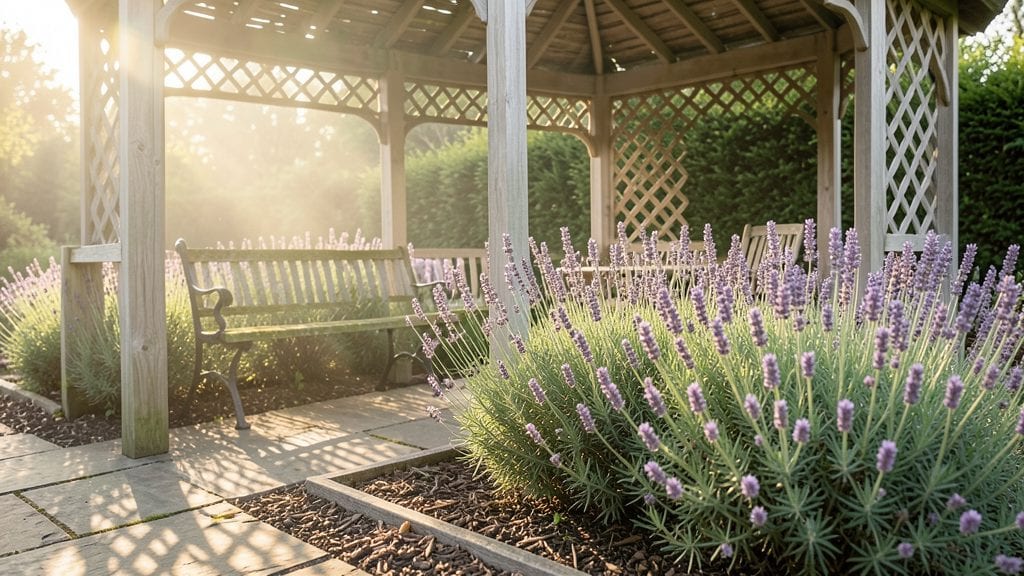
Transforming a gazebo garden in Fresno, California, turns your backyard into a lush, welcoming retreat where shade and beauty coexist under the Central Valley’s intense sun. 🌿 The key is choosing drought-tolerant plants that thrive while keeping the gazebo. cool enough for summer gatherings.
My first attempt with thirsty annuals lasted exactly two weeks before wilting—now I design around native perennials that drink less and bloom longer.
Start with a permanent shade structure—Fresno’s heat means fabric canes or metal gazebos with 12-foot ceilings work best. Around it, layer low-water shrubs like Texas ranger or desert willow for structure, then add drought-smart ground covers like ice plant or creeping thyme to suppress weeds.
The secret? Mulch heavily with 3-4 inches of wood chips to lock in moisture and keep roots cool.
By late spring, you’ll have a garden that stays vibrant even in 105°F afternoons, with fragrant jasmine climbing the gazebo’s lattice and lavender bushes lining the perimeter. The layout creates a microclimate where afternoon breezes circulate, keeping both plants and people comfortable.
Even in winter, when temps dip below freezing, these plants rebound faster than anything I’ve tried.
For year-round appeal, add seasonal pops—spring bulbs like California poppies, summer bougainvillea for color, and fall ornamental grasses for texture. The gazebo itself becomes the centerpiece, offering shade for morning coffee or evening stargazing while the garden around it thrives with minimal fuss.
Here’s how to make it happen without burning out your plants—or your water bill.
📚 In This Guide
- What you need
- Instructions
- Tips and common mistakes
- Wrapping up and next steps
What you need
- ● Gazebo Structure: Pre-built or DIY kit (4’x4’, 6’x6’, or 8’x8’ for Fresno’s spacious yards). Look for UV-resistant materials like powder-coated steel or poly resin to handle the sun.
- ● Foundation: Concrete footings (4–6, depending on gazebo size) or gravel pads (for drainage in Fresno’s clay soil).
- ● Galvanized screws (1/4”–3/8” diameter, 4”–6” long) for assembly.
- ● Soil & Mulch: Topsoil (2–3 cubic yards, depending on garden size).
- ● Mulch (2–4 bags of wood chips or gravel for pathways).
- ● Plants: Drought-tolerant perennials: Lavender, succulents, or California poppies (5–10 plants).
- ● Shade-loving annuals: Impatiens or ferns (3–5 plants for under the gazebo).
- ● Climbing vines: Bougainvillea or jasmine (1–2 plants for trellises).
- ● Watering System: Drip irrigation kit (with 1/4” tubing and emitters) or a soaker hose (50–100 ft, depending on garden size).
- ● Measuring tape, level, and speed square.
- ● Post-hole digger or auger (for footings).
- ● Drill with driver bits, wrench set, and hammer.
- ● Shovel, rake, and wheelbarrow (for soil/mulch).
- ● Pruners, gloves, and safety goggles.
- ● Seating: Weather-resistant wicker furniture or cushioned benches (2–4 chairs + a table).
- ● Lighting: Solar-powered path lights or string lights (for evening ambiance).
- ● Shade Cloth: 30–50% shade fabric (to protect plants from Fresno’s intense summer sun).
- ● Decor: Wind chimes, potted citrus trees, or a small fountain for a serene touch.
Step-by-step instructions for designing a sun-drenched gazebo garden in Fresno
Fresno’s intense sun and hot summers demand smart planting—here’s how to create a thriving gazebo garden that blooms year-round.
🪴 Step 1: Choose Heat-Tolerant Plants for Year-Round Interest
Fresno’s 100+°F summers and dry climate mean you’ll need drought-resistant, sun-loving plants. Start with palm trees (like Mexican fan palms) for vertical structure—they handle heat and add tropical flair. Mix in bougainvillea for vibrant, low-maintenance blooms that thrive in full sun and well-drained soil. For texture, add yucca or agave, both of which store water in their leaves and survive with minimal irrigation.
For cooler months, incorporate rosemary and lavender—both tolerate heat and cold snaps while providing fragrance and pollinator appeal. Place these near the gazebo’s edges where they’ll catch morning sun but avoid afternoon heat stress. Avoid fussy annuals; instead, focus on perennials that return season after season with minimal effort.
☀️ Step 2: Optimize Sun Exposure and Shade for Comfort
Fresno’s strong afternoon sun (especially between 11 AM and 3 PM) can scorch plants and make the gazebo unbearably hot. Install a retractable shade sail or cloth awning over the seating area to filter 50-70% of sunlight during peak hours. Position it to cast shade on the west side of the gazebo, where heat builds fastest. For permanent shade, plant fast-growing vines like passionflower or clematis on trellises along the gazebo’s perimeter—they’ll provide dappled shade while adding vertical interest.
For plants, group sun-lovers (like succulents and cacti) on the south and west sides of the gazebo, where they’ll receive 6+ hours of direct sun. Place partial-shade plants (such as caladiums or impatiens) on the north and east sides, where morning sun and afternoon shade create a cooler microclimate. Use a soil thermometer to monitor temperatures—if readings exceed 85°F, mulch heavily with 3-4 inches of wood chips to insulate roots.
💧 Step 3: Install a Drip Irrigation System for Water Efficiency
Fresno’s low humidity and high evaporation rates mean traditional watering wastes resources. Run drip lines along plant beds, delivering water slowly and directly to roots to minimize loss. Space emitters 12-18 inches apart and bury them 1-2 inches deep to prevent clogs from debris. Use pressure-compensating tubing to ensure even watering across uneven terrain. Set the system to run early morning (4-6 AM) to reduce evaporation and fungal risks.
For the gazebo itself, install a small fountain or bubbler near the seating area. The moving water creates a cooling mist effect on hot days and attracts hummingbirds. Group thirsty plants (like bougainvillea) under emitters while succulents and lavender can share a single line with 30-minute watering cycles every 3-4 days. Mulch all beds with 2-3 inches of gravel or bark to retain moisture and suppress weeds—this cuts water use by 30-40% in Fresno’s heat.
🌿 Step 4: Layer Plants for Seasonal Color and Texture
Start with tall, structural plants (like palm trees or yucca) at the back of the bed, then layer medium-height shrubs (such as rosemary bushes) in the middle, and fill the front with trailing plants (like liriope or sedge grass) for soft edges. This creates depth and ensures no area feels barren. In spring and fall, add seasonal bloomers like salvia or blanket flower for pops of color without competing with perennials.
Incorporate scented plants near seating areas—jasmine on trellises and mint in containers—so the gazebo becomes a sensory retreat. For winter interest, plant evergreen shrubs like boxwood or holly along the gazebo’s base. These stay lush even when other plants go dormant, maintaining year-round beauty. Prune once annually in late winter (February) to shape plants and encourage new growth before Fresno’s heat peaks.
✂️ Step 5: Maintain and Refresh the Garden Through Seasons
Fresno’s hot, dry winds can stress plants, so deep-water weekly during summer and reduce to every 10-14 days in winter. Fertilize lightly in spring (use a balanced 10-10-10 formula) and again in early fall to support root growth before cooler weather. Remove spent blooms from perennials monthly to encourage continuous flowering—this is especially critical for bougainvillea, which blooms on new growth.
Inspect the gazebo’s shade structures every 6 months—replace faded or torn awnings and trim vines that block sunlight to plants below. In late winter, divide overcrowded perennials (like lavender) to rejuvenate their growth. If pests (like aphids or scale) appear, treat with neem oil—it’s effective and safe for pollinators. By late summer, add seasonal annuals (like marigolds) to fill gaps and deter pests naturally.
Tips & tricks for perfect sun-drenched gazebo gardens in Fresno
Creating a vibrant gazebo garden in Fresno’s extreme climate takes strategy—here are the game-changing details that separate a good garden from a stunning, year-round retreat.
Heat Management: Fresno’s 85°F soil threshold is your warning sign that plants are struggling. Invest in a soil thermometer and monitor readings daily during summer. When soil exceeds 85°F, immediately apply 3-4 inches of wood chip mulch to create a cooling barrier. For container plants, use self-watering pots with insulation wraps—this prevents root stress from heat spikes. I’ve seen bougainvillea and yucca thrive with this simple adjustment during Fresno’s peak heat.
Shade Strategy: The west side of your gazebo gets scorched fastest between 11 AM and 3 PM, so prioritize shade there. Retractable shade sails are ideal—they filter 50-70% of sunlight while still allowing airflow. For permanent solutions, plant passionflower or clematis vines on trellises; they provide dappled shade that cools the area without blocking all light. Pro tip: Install a white lattice panel behind seating areas to reflect heat away from the gazebo structure itself.
Watering Precision: Fresno’s low humidity means traditional watering is wasteful. Your drip irrigation system should run early morning (4-6 AM) for maximum efficiency—this prevents evaporation and fungal growth. For thirsty plants like bougainvillea, use 30-minute cycles every 3-4 days with emitters spaced 12-18 inches apart. For succulents and lavender, reduce to 20-minute cycles weekly. The key is consistency: uneven watering causes root stress, which shows up as yellowing leaves within days.
Seasonal Layering: Fresno’s dramatic temperature swings mean you need to work with the seasons. In spring and fall, add seasonal bloomers like salvia or blanket flower to complement your perennials. For winter interest, plant evergreen shrubs like boxwood along the gazebo’s base—they provide structure when other plants go dormant. And here’s my secret: late winter pruning in February (just before Fresno’s heat peaks) encourages lush new growth. It’s the one time of year I prune aggressively—everything bounces back stronger for summer.
Pro Tips for Gazebo Gardens Fresno California
- Creating a vibrant gazebo garden in Fresno’s extreme climate takes strategy—here are the game-changing details that separate a good garden from a stunning, year-round retreat.
- Heat Management: Fresno’s 85°F soil threshold is your warning sign that plants are struggling.
- Shade Strategy: The west side of your gazebo gets scorched fastest between 11 AM and 3 PM, so prioritize shade there.
Frequently asked questions
Got questions about creating or maintaining a stunning gazebo garden in Fresno? Here are some common ones—and their answers—to help you plan with confidence!
What’s the best time of year to plant a gazebo garden in Fresno?
Fresno’s mild winters and hot summers mean you can plant year-round, but aim for early spring (March–April) for most flowers and veggies. Succulents and drought-tolerant plants thrive in late summer (August–September) to avoid peak heat. Cool-season crops like kale or pansies do well in fall (October–November).
How do I keep my gazebo garden lush despite Fresno’s dry climate?
Use drip irrigation or soaker hoses to deliver water directly to roots (early morning is best!). Mulch heavily (3–4 inches) with wood chips or straw to retain moisture. Opt for native or drought-resistant plants like lavender, bougainvillea, or California poppies—they’re built for Fresno’s conditions!
Can I build a DIY gazebo garden on a budget?
Skip pricey gazebos by using permanent structures like trellises, pergolas, or even a shade cloth canopy over a raised bed. Repurpose materials (e.g., cinder blocks for planters or recycled wood for frames). Thrift stores often have affordable decor—think vintage lanterns or mosaic tiles for a pop of color!
What pests should I watch for in a Fresno gazebo garden?
Fresno’s warm climate attracts aphids, squash bugs, and gophers. Prevent pests naturally with:
- Neem oil spray for aphids
- Row covers for squash bugs
- Gopher baskets around young plants
Are there low-maintenance plant options for a gazebo garden?
Yes! Choose self-sufficient plants like:
- Succulents (e.g., sedum, echeveria) – Thrive on neglect
- Ornamental grasses (e.g., fountain grass, maiden grass) – Add movement with zero fuss
- Lavender or rosemary – Drought-proof and fragrant
- Bulbs (e.g., daffodils, tulips) – Plant once, bloom yearly
Wrapping up and next steps
Transforming your Fresno garden into a sun-drenched gazebo oasis is easier—and more rewarding—than you think! 🌞 With the right materials, a dash of creativity, and a focus on year-round beauty, your outdoor retreat will become the heart of your home. Start small, stay consistent, and soon you’ll be hosting gatherings under your own lush canopy.
Ready to turn your vision into reality? Pick a weekend, gather your tools, and take that first step toward a garden that blooms with joy—just like the ones in Fresno!