Vegetables
The gardens in Barcelona create vibrant green havens like Jardins de la Muntada and Parc de la Ciutadella, where Mediterranean plants thrive alongside historic architecture. These urban retreats highlight the city’s dedication to preserving natural beauty and fostering community spaces.
The city’s green spaces go beyond aesthetics—they’re carefully curated ecosystems. Jardins de Joan Brossa, for example, features surreal sculptures intertwined with native flora, while Parc del Laberint d’Horta offers a 16th-century maze surrounded by citrus groves.
These spots aren’t just pretty; they’re living classrooms showcasing Barcelona’s biodiversity and sustainable urban planning. 🌿
For visitors, location matters—each neighborhood garden offers a distinct vibe. The Eixample’s Jardins de la Muntada blends modernist architecture with wildflowers, while Gràcia’s Parc Güell delivers Gaudí’s whimsical designs alongside cacti and palm trees.
Pro tip: Visit Jardins del Turó de la Peira for panoramic views and quiet trails, far from tourist crowds. These hidden gems prove Barcelona’s gardens are as diverse as the city itself.
💡 In This Article
- Barcelona’s Most Biodiverse Urban Gardens
- Best Barcelona Gardens for Visitors by Neighborhood
Barcelona’s most biodiverse urban gardens
Barcelona’s gardens aren’t just decorative—they’re thriving ecosystems carefully adapted to the city’s Mediterranean climate, where 300+ native plant species coexist with introduced varieties.
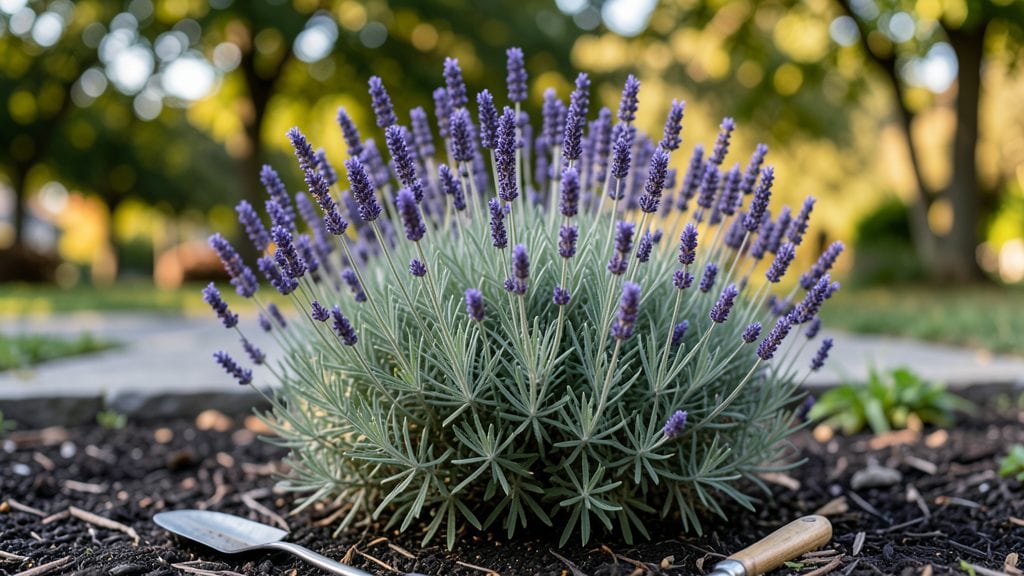
The key lies in their strategic selection of drought-resistant flora like rosemary, lavender, and olive trees, which thrive in the region’s hot, dry summers while requiring minimal irrigation. This approach conserves up to 40% more water compared to traditional lawns, making these spaces both beautiful and sustainable. 🌿
Take Jardins de Joan Brossa in Sant Martí, where surrealist sculptures sit among endemic Mediterranean shrubs like the kermes oak (Quercus coccifera), a species critical for local biodiversity. The garden’s microclimate—created by its elevated position—allows for 15°F cooler temperatures than street level, protecting delicate species from urban heat.
Meanwhile, Parc del Laberint d’Horta features a 16th-century citrus grove with 120-year-old orange and lemon trees, their roots extending 10 feet deep to access groundwater during droughts.
The city’s urban planning integrates these gardens through green corridors that connect neighborhoods, creating wildlife pathways for birds and insects. For example, the Besòs River greenway links Parc de Can Peguera to Parc del Fòrum, allowing pollinators to traverse 3 miles of continuous greenery.
This design mimics natural ecosystems, supporting 27 species of butterflies and 12 types of birds that wouldn’t survive in fragmented green spaces. The result? A city where urban development and nature coexist harmoniously. ✨
What makes these gardens truly special is their role in carbon sequestration. A single mature olive tree in Parc de la Ciutadella absorbs 22 pounds of CO₂ annually, while the garden’s 500+ trees collectively remove 11 tons of pollutants from the air each year.
The city’s “Urban Forest Plan” ensures 30% tree canopy coverage by 2030, turning Barcelona into a model for climate-resilient urban design. 💚
For conservationists, the seed bank programs at gardens like Jardins de Montjuïc are groundbreaking. These initiatives preserve heirloom varieties of Mediterranean herbs that might otherwise disappear due to climate change.
Visitors can even participate in “Adopt a Tree” programs, where their contribution funds maintenance and research—turning casual strollers into stewards of biodiversity. 🌱
Beyond ecology, these gardens serve as urban cooling hubs. Studies show that areas near Parc del Laberint d’Horta experience 5°F lower temperatures on summer afternoons compared to nearby streets.
This “heat island mitigation” effect reduces energy use for air conditioning in surrounding buildings by up to 20%**, proving that green spaces aren’t just pleasant—they’re economically beneficial. 🏙️