Planting
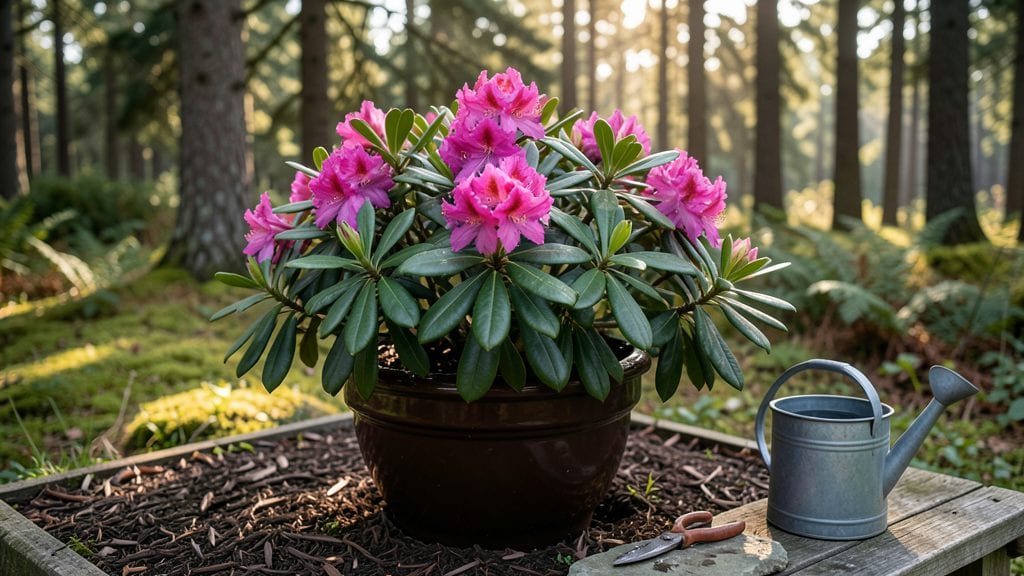
Gardening in Washington State means embracing the rain, the sun, and the stubborn slugs—because this state doesn’t do gardening by the book. 🌿 I’ve learned that what thrives in Seattle’s damp coastal air won’t survive Spokane’s dry summers, and vice versa.
The key is working with the weather, not against it, whether you’re planting rhododendrons that love the acid soil or drought-tolerant lavender that laughs at summer showers.
The real secret isn’t fancy tools—it’s timing. Plant tomatoes in Seattle by early May after the last frost, but wait until June in Spokane when the soil finally warms. Mulch heavily in winter to protect roots from freeze-thaw cycles, and watch your garden bounce back come spring.
Even the soil plays by different rules here: coastal areas stay moist, while inland spots need irrigation tricks to keep plants happy.
You’ll end up with gardens that feel like a local’s secret—lush, resilient, and packed with plants that actually want to grow here. Think velvety ferns in shaded corners, vibrant rhododendrons in spring, and herbs that survive both the rain and the deer.
The payoff? A yard that doesn’t just survive Washington’s quirks but thrives because of them.
Whether you’re in the Puget Sound or the Palouse, these adaptations make all the difference. Let’s get your garden growing the way Washington does—tough, beautiful, and full of life.
📚 In This Guide
- What you need
- Instructions
- Tips and common mistakes
- Wrapping up and next steps
What you need
- ● Soil: 60 lbs of high-quality, locally adapted potting mix or native soil (e.g., Black Gold Garden Soil or compost-amended topsoil for WA’s Zone 7-8).
- ● Seeds/Plants: Choose WA-friendly varieties (e.g., Pacific Northwest-tested tomatoes, rhubarb, or evergreen shrubs). Start with 5–10 plants/seeds per variety.
- ● Watering Supplies: 1 garden hose (½-inch diameter) with a spray nozzle.
- ● 2–3 5-gallon watering cans (for precision).
- ● Hand Tools: 1 trowel (stainless steel, 6–8 inches).
- ● 1 pruners (bypass, for clean cuts).
- ● 1 hand fork (for aerating soil).
- ● Protective Gear: 1 pair gardening gloves (nitrile-coated for durability).
- ● 1 sun hat or wide-brimmed cap (WA’s sun can be deceiving!).
- ● Soil Amendments: Compost (2–3 cubic yards) or WA-friendly fertilizer (e.g., Osmocote Smart-Release for slow-release nutrients).
- ● Mulch: 2–3 bags of cedar chips or straw to retain moisture and suppress weeds.
- ● Pest Control: Neem oil spray or row covers (for slug-prone areas like Western WA).
- ● Tech Upgrades: 1 soil moisture meter (to avoid over/under-watering).
- ● 1 garden journal (to track WA’s variable microclimates).
- ● Site Prep: Clear debris, test soil pH (aim for 6.0–7.0), and mark sun/shade patterns (WA’s long summer days matter!).
- ● Local Knowledge: Check WSU Extension resources for region-specific planting guides (e.g., Eastern WA’s dry heat vs. Western WA’s rain).
- ● Water Access: Ensure a reliable source (WA’s drought years require planning!).
Instructions for establishing a resilient Washington State garden
Here's how to create a garden that thrives through Washington's unique seasons and microclimates.
🌱 Step 1: Choose Plants That Match Your Zone and Microclimate
Washington spans multiple USDA zones (5-9), so pick plants suited to your specific area. Coastal regions like Seattle thrive with rhododendrons and camellias, while inland areas support drought-tolerant lavender and Russian sage. I always check the WSU Extension Master Gardener recommendations for my county—it's free and saves headaches later.
For year-round interest, layer plants with different bloom times: early spring bulbs like daffodils, summer perennials like coneflowers, and fall/winter shrubs like Oregon grape. This ensures your garden stays vibrant regardless of the season. If you're new, start with proven winners like heuchera (for shade) or salvia (for sun)—they're hardy and low-maintenance.
🪴 Step 2: Prepare Soil for Washington's Unique Conditions
Washington's soil varies dramatically—coastal areas often have heavy clay, while eastern regions have sandy loam. I always test my soil first using a home test kit or send a sample to WSU Extension. Amend heavy clay with compost and coarse sand to improve drainage, while sandy soils benefit from peat moss or compost to retain moisture.
For raised beds, mix equal parts native soil, compost, and a slow-release organic fertilizer. This creates a balanced growing medium that holds nutrients without leaching them away during our rainy winters. Till in any amendments at least 4-6 weeks before planting to let them integrate fully.
☀️ Step 3: Plan for Water Management in Rainy and Dry Seasons
Washington's rainfall patterns shift dramatically—wet winters and dry summers mean you need a smart irrigation plan. Install drip irrigation or soaker hoses to deliver water directly to roots, reducing evaporation and fungal diseases common in our damp climate. I always bury the lines 2-3 inches deep to protect them from freezing in winter.
For drought-tolerant areas, group plants with similar water needs together. Mulch heavily with 3-4 inches of wood chips or straw to conserve moisture and regulate soil temperature. Check soil moisture weekly by sticking your finger 1-2 inches deep—if it feels dry, water deeply. Our summers can get surprisingly hot, especially in eastern WA.
✂️ Step 4: Adjust Care for Each Season's Challenges
Winter in Washington means protection for tender plants. I wrap young trees with burlap wraps and cover perennials with straw mulch to insulate roots. For coastal areas, wind is the bigger threat—use windbreaks made of evergreens or lattice panels to shield delicate plants. Prune dormant trees and shrubs in late winter (February-March) to encourage strong spring growth.
Spring brings heavy rains that can rot roots, so ensure containers have drainage holes and elevate beds if needed. Fertilize lightly in early spring with a balanced organic fertilizer (10-10-10) to support new growth. Summer care focuses on pest control—watch for aphids on roses and slugs in shady areas, treating only when necessary to preserve beneficial insects.
🌿 Step 5: Extend the Season with Smart Planting Techniques
Washington's mild coastal winters allow for extended growing seasons. I start cool-season crops like kale and spinach in late summer for fall harvests, then plant garlic in October for spring harvests. For tender plants, use row covers or cold frames to protect them through light frosts. In colder inland areas, focus on hardy vegetables like Brussels sprouts and carrots that thrive in cooler weather.
Succession planting is key—replace early spring crops with heat-tolerant varieties like Swiss chard or bush beans as temperatures rise. This keeps your garden productive year-round without gaps. Always rotate crops annually to prevent soil depletion and disease buildup, especially in vegetable gardens.
Tips & tricks for perfect year-round Washington State gardening
Washington's diverse climate demands smart strategies to keep your garden thriving year-round. These expert tips will help you navigate our unique seasons and microclimates with confidence.
Microclimate Mastery: Pay extra attention to your garden's specific microclimate within Washington's zones. Coastal areas near Seattle often have milder winters, while inland spots can experience sudden freezes. I've found that placing windbreaks on the north side of gardens in exposed areas can create a microclimate that's 5-10°F warmer, extending your growing season. For example, evergreen windbreaks work beautifully for protecting tender plants like rhododendrons from coastal winds.
Soil Prep Timing: The 4-6 week soil amendment period in Step 2 is crucial, but don't rush it! I've learned the hard way that skipping this waiting period can lead to poor nutrient integration. Test your soil again after the 6 weeks to verify improvements. For heavy clay soils, consider adding a bit of perlite to the mix—it helps break up compaction while improving aeration without altering the soil structure too dramatically.
Watering Wisdom: When checking soil moisture in Step 3, focus on the 1-2 inch depth range but also observe the surface. Our summers often bring heat waves where surface moisture evaporates quickly while deeper soil remains damp. I've started using a moisture meter for precise readings—it's worth the investment for drought-prone areas. Remember that mulch should be kept 2-3 inches away from plant stems to prevent rot while still conserving moisture.
Seasonal Transition Strategy: As you move between seasons in Step 4, create a simple seasonal checklist for your specific location. For example, my coastal garden needs windbreak checks in winter, while my inland plot requires frost cloth preparations. I've found that marking pruning dates on my calendar with reminders for February-March helps me stay consistent. For tender plants, consider using fleece blankets instead of straw mulch—they provide better insulation against winter winds while allowing some airflow.
Pro Tips for Gardening Washington State
- Washington's diverse climate demands smart strategies to keep your garden thriving year-round.
- Microclimate Mastery: Pay extra attention to your garden's specific microclimate within Washington's zones.
- Soil Prep Timing: The 4-6 week soil amendment period in Step 2 is crucial, but don't rush it!
Frequently asked questions
Got questions about gardening in Washington State?
Whether you're a newbie or a seasoned green thumb, these answers will help you navigate the unique challenges and opportunities of our Pacific Northwest climate.
What are the best plants to grow in Washington State’s rainy climate?
Washington’s mild, wet winters and warm, dry summers suit resilient plants like heirloom tomatoes, blueberries, raspberries, and fava beans. Pacific Northwest natives such as salmonberries, sword ferns, and Oregon grape thrive with minimal fuss. For shade gardens, try hostas or rhubarb—both love the damp air! Pro tip: Mulch heavily to protect roots from winter sogginess.
When is the ideal time to plant in Washington’s varied microclimates?
Timing depends on your zone! For Western WA (Zones 7-9), plant cool-season crops (kale, spinach) in early spring (March-April) and warm-season crops (peppers, squash) after last frost (May-June). In Eastern WA (Zones 4-7)mid-May for warm crops due to later frost risks. Always check your local WSU Extension for updates—microclimates (like urban heat islands) can shift timelines by weeks!
How do I deal with Washington’s heavy rainfall without drowning my garden?
Drainage is key! Amend clay soil with compost or sand to improve airflow, and use raised beds in low-lying areas. Plant perennials with deep roots (like artichokes or asparagus) to break up compacted soil. For containers, ensure pots have drainage holes and elevate them slightly. Mulch with wood chips or straw to reduce erosion and retain moisture—just avoid piling it against plant stems!
What pests are most common in WA gardens, and how do I stop them?
Washington’s lush gardens attract slugs (especially in shade), aphids (on roses/veggies), and vine weevils (in containers). Combat slugs with copper tape or beer traps; spray aphids with soapy water. For weevils, neem oil or beneficial nematodes work wonders. Preventative tip: Encourage predatory insects (like ladybugs) by planting dill or marigolds nearby!
Can I garden successfully in Washington’s urban areas (like Seattle or Spokane)?
Urban WA gardens thrive with container gardening, vertical planters, and community plots. Choose compact varieties (e.g., bush beans or patio tomatoes) and prioritize pollinator-friendly flowers (lavender, coneflowers). Bonus: Many cities offer free compost or rainwater harvesting programs—check local resources!
Wrapping up and next steps
Gardening in Washington State is a rewarding journey filled with opportunities to grow vibrant plants year-round—thanks to the region’s diverse climate and rich soil.
Whether you’re a beginner or a seasoned green thumb, local expert picks like native perennials, cold-hardy vegetables, and shade-loving shrubs make it easier than ever to create a thriving garden.
With the right tools, knowledge, and a little patience, you’ll soon be harvesting fresh produce or admiring blooms that only Washington’s unique conditions can nurture.
Ready to dive in? Start small—plant a few low-maintenance favorites this weekend and watch your garden grow! 🌱 For more inspiration, explore local gardening groups or check out Washington State University Extension’s resources to keep learning and thriving.