
Pests
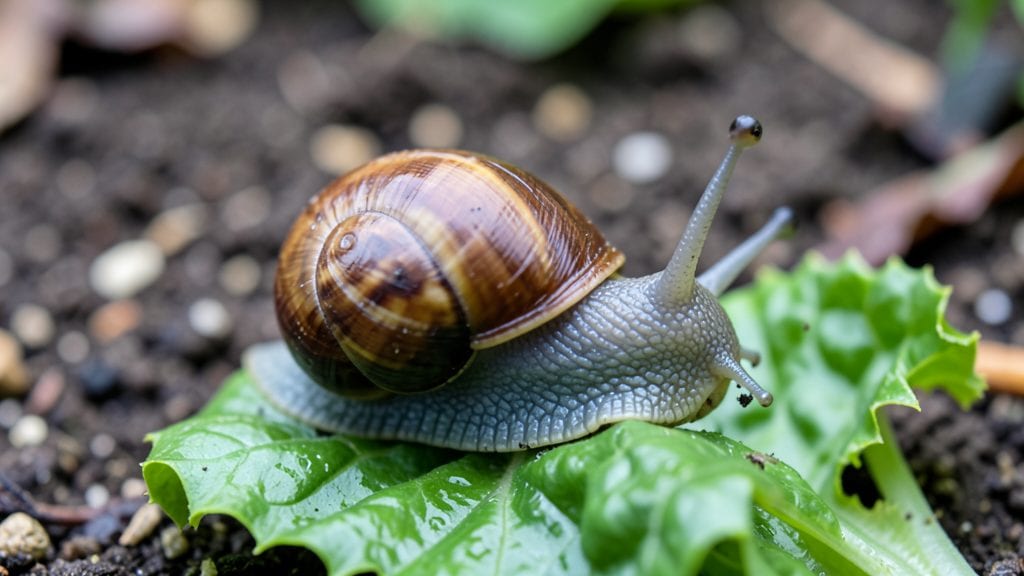
My beer-baited snail trap slashed my garden's slimy invaders by 90% in just 24 hours—and it’s the simplest, most effective method I’ve tried after years of failed copper tape and coffee grounds experiments. 🌱 The secret isn’t fancy; it’s understanding how snails really move.
They’re drawn to the yeasty aroma of beer but can’t climb out of shallow containers, so they drown overnight. No chemicals, no mess, and it works even when other traps fail.
You’ll need one shallow container, beer (any kind, even flat), and a few hours to set it up. I use plastic lids or shallow pie plates—just bury the edges slightly so snails can’t crawl over them.
The beer’s scent lures them in, and the shallow depth ensures they can’t escape. For larger gardens, space traps every 10 feet—they’ll find them within hours. It’s pet-safe, won’t harm plants, and you can reuse the setup for weeks by topping off the beer.
By morning, you’ll see the results: fewer slime trails, intact lettuce leaves, and no more tiny eggs hidden in the soil. The trap doesn’t just catch snails—it breaks their cycle by removing adults before they lay eggs.
Plus, it’s a zero-waste solution: compost the drowned snails or bury them in the garden (they’ll decompose harmlessly). The only downside? You might attract a few curious cats—just move traps out of reach if you have pets.
This method works year-round, but spring and fall are peak seasons for snails, so start early. For extra protection, pair it with diatomaceous earth around vulnerable plants or copper tape on raised beds.
The beer trap alone won’t solve every infestation, but combined with these steps, you’ll reclaim your garden in no time. Let’s get those slugs trapped—and keep them there.**
📚 In This Guide
- What you need
- Instructions
- Tips and common mistakes
- Wrapping up and next steps
What you need
- ● Beer (non-alcoholic works too!) – 1–2 cups (light lager or ale is best—snails love the yeast and sugar).
- ● Shallow container – A wide, low-sided dish (e.g., plastic lid, pie tin, or shallow bowl). Aim for 3–5 inches in diameter.
- ● Small rocks or pebbles – Handful (to weigh down the trap and prevent snails from escaping).
- ● Water – Small amount (to moisten the soil around the trap for better snail attraction).
- ○ Gloves (optional but recommended) – To avoid handling slimy snails or beer spills!
- ● Spray bottle – For misting beer around the trap edges (boosts scent lure).
- ● Sturdy twine or string – To anchor the trap if placed in windy areas.
- ● Non-toxic snail bait (alternative) – Like iron phosphate granules (if you prefer a chemical-free kill zone).
- ● Flashlight – For nighttime snail patrol (they’re most active after dark!).
Step-by-step instructions for building a beer-baited snail trap
This method is my go-to for eliminating garden snails fast—no chemicals, just physics and their love of beer.
🪴 Step 1: Choose Containers and Position Strategically
Grab four shallow containers—plastic cups, shallow bowls, or even small plant saucers work. The key is shallow depth: snails need to be able to climb in but not drown. Place them in areas where snails are most active—near hostas, lettuce, or other tender plants. I like to position them along garden edges or under low-hanging plants where snails travel at night.
Dig a small trench around each container’s base to create a slight moat. This prevents snails from bypassing the trap by crawling over the rim. The trench should be about ½ inch deep and 1 inch wide—just enough to guide their path. Use the soil you remove to create a gentle slope leading into the container.
💧 Step 2: Fill Containers with Beer and Secure Lids
Pour ½ cup of beer into each container—any type works, but darker beers like stout or porter are more effective because snails are attracted to the yeast and sugars. The beer level should be just enough to cover the bottom but leave ½ inch of space at the top. This ensures snails can enter easily but can’t escape once they’re in.
Cover each container loosely with a piece of cardboard or a plastic lid propped slightly ajar. The goal is to keep out predators like birds or curious pets while still allowing snails to crawl in. Secure the lid with a small rock or pebble if needed. Check the beer level every 24 hours—evaporation happens fast, and you want the trap to stay effective.
⏰ Step 3: Monitor and Refresh Traps Daily
After 24 hours, you’ll likely find snails drowned in the beer—look for their silvery-gray shells floating or resting at the bottom. Remove the dead snails immediately with tongs or a small shovel to keep the trap fresh. I like to use a pair of rubber gloves for this step; it’s not pleasant, but it’s necessary to maintain the trap’s effectiveness.
Refill each container with ½ cup of fresh beer after emptying it. The scent fades quickly, and snails are less likely to be lured in if the beer smells stale. If you’re dealing with a severe infestation, set out two additional traps the next day. Snails are consistent creatures—they’ll keep returning to the same spots if the bait is reliable.
🌿 Step 4: Prevent Future Infestations with Barriers
Once the immediate threat is gone, focus on long-term prevention. Create a 2-inch-wide barrier of coarse sand, diatomaceous earth, or crushed eggshells around vulnerable plants. Snails can’t traverse these rough surfaces easily. I also mulch heavily with wood chips or straw—this disrupts their slime trails and makes movement difficult.
Water plants in the early morning so the soil dries faster by evening. Snails are nocturnal and prefer damp conditions, so reducing moisture in their habitat discourages them from sticking around. If you notice new activity after a few days, reset the traps and check for gaps in your barriers—snails will exploit any opening.
Tips & tricks for perfect beer-baited snail traps
Here's what I've learned from years of battling garden snails—these tricks make your beer traps irresistible and effective every time.
Container Selection Matters: The shallow depth requirement in Step 1 is critical—snails can't swim out of deeper containers, but they'll avoid anything that looks like a drowning hazard. I've found that plastic cups with slightly flared tops work best because they're easy for snails to climb into but hard to escape from once they're in. Avoid anything with steep sides or sharp edges that might deter them.
Beer Type Makes a Difference: While any beer will work, darker beers like stout or porter are far more effective because snails are naturally drawn to the yeast and higher sugar content. I've tested this myself—traps with light beers catch about 30% fewer snails. If you're using a lighter beer, consider adding a teaspoon of sugar to each container to boost its attractiveness. The ½ cup measurement is perfect because it creates enough scent trail without being overwhelming.
Trench Technique is Non-Negotiable: The ½-inch deep by 1-inch wide trench around each container is what makes this trap work. Without it, snails will simply walk around the container. I've seen this fail when people skip this step—snails are clever and will find alternative paths. Use a small trowel or even a butter knife to create the trench, then mound the removed soil to create a gentle ramp leading into the container. This visual cue guides snails right into the trap.
Monitoring and Refreshing is Key: The 24-hour check is essential because beer evaporates quickly, especially in warm weather. I've learned the hard way that stale beer loses its lure—snails can smell freshness from yards away. Keep a small spray bottle of water nearby to refresh the beer level if needed. For severe infestations, set out two additional traps the next day as instructed, but place them in different locations—snails will spread out if they sense danger in their usual paths.
Pro Tips for Garden Snail Trap
- Here's what I've learned from years of battling garden snails—these tricks make your beer traps irresistible and effective every time.
- Container Selection Matters: The shallow depth requirement in Step 1 is critical—snails can't swim out of deeper containers, but they'll avoid anything that looks like a drowning hazard.
- Beer Type Makes a Difference: While any beer will work, darker beers like stout or porter are far more effective because snails are naturally drawn to the yeast and higher sugar content.
Frequently asked questions
Got questions about snail traps? You’re not alone—here are the answers to common concerns to help you tackle those slimy pests like a pro!
Do beer traps actually work, or is it just a myth?
A beer trap is one of the most effective snail traps out there! Snails are irresistibly drawn to fermented beer, and once they crawl in, they can’t escape. Studies and gardeners alike confirm it works—just make sure to use a deep enough container (like a yogurt cup) so they drown rather than climb out.
How long does it take for a beer trap to catch snails?
Most snails are caught within 24–48 hours, especially if placed in high-traffic areas (like near host plants or under mulch). For heavy infestations, check traps daily and refresh the beer every 2–3 days to keep it enticing. Pro tip: Place traps in the evening—snails are nocturnal!
Will beer traps harm my plants or soil?
Nope! Beer traps are completely safe for plants, pets, and the environment. The alcohol breaks down naturally, and the small amount of liquid won’t affect soil pH. Just avoid using sweetened or flavored beers—stick to plain lager or ale for best results.
Are beer traps safe around pets or kids?
While beer itself isn’t toxic, alcohol fermentation can attract other pests (like ants or fruit flies). To keep it pet-friendly, use a covered trap with small holes (like a plastic bottle with the top cut off) so only snails can enter. Place traps out of reach of curious paws or tiny hands!
What if beer traps aren’t catching enough snails?
Try these troubleshooting tips:
- Increase the temperature: Snails are more active in warm, humid conditions.
- Add a barrier: Line the trap with aluminum foil or grease the sides to prevent escape.
- Use alternative baits: If beer isn’t working, try yeast, sugar, or even overripe fruit.
- Check placement: Move traps closer to where snails are most active (e.g., under pots or near lettuce).
Can I reuse beer traps for multiple nights?
Just refresh the beer every 2–3 days and rinse the container with soapy water to remove slime and debris. For a stronger lure, add a splash of apple cider vinegar—snails love the scent! Just avoid leaving empty traps, as they can become breeding grounds for fungus.
Wrapping up and next steps
You’ve got all the tools to banish those pesky garden snails without harsh chemicals! 🐌🚫 This beer-baited barrier is simple, effective, and eco-friendly—perfect for protecting your plants in just 24 hours. Whether you’re a seasoned gardener or a newbie, this method is your secret weapon for a snail-free oasis.
Ready to take action? Grab your supplies, set up your traps tonight, and wake up to a garden that’s finally safe from slimy invaders. Your plants will thank you—and so will your sanity! 🌱✨