
Tools
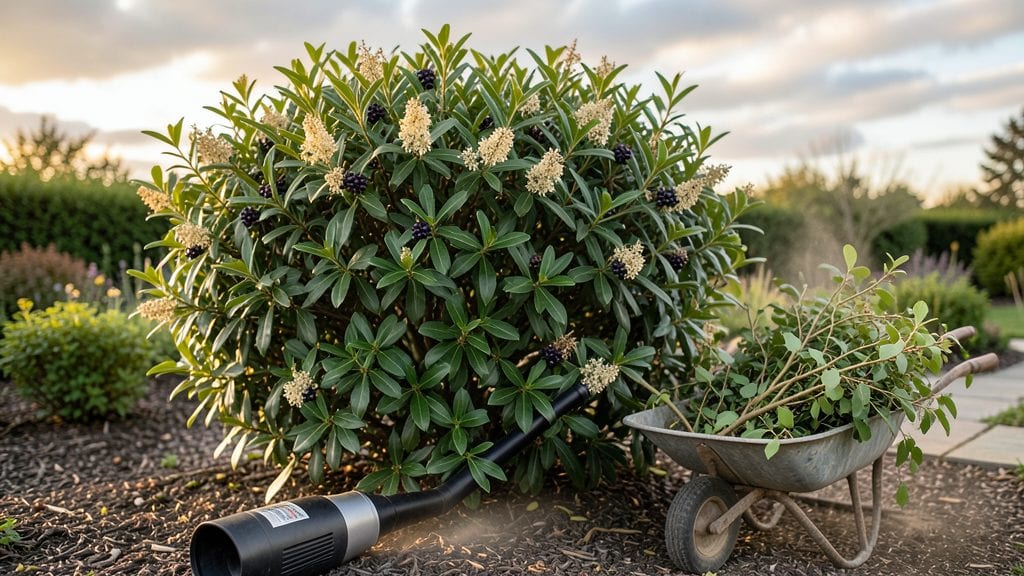
Selecting garden cleaning services means prioritizing certified professionals who use plant-safe techniques, clear pricing, and sustainable waste management to protect your garden’s health and appearance.
When you hire garden maintenance pros, their approach matters just as much as their tools. 🌿 Many companies now specialize in chemical-free methods that still deliver spotless results—think pressure washing with biodegradable detergents or hand-trimming delicate perennials.
I always check if they offer seasonal deep-cleaning packages, since regular upkeep prevents pests and weeds from taking over. One red flag? Services that push heavy herbicides without explaining alternatives—your soil’s long-term health depends on smarter choices.
Don’t overlook the fine print either. Some companies bundle services you don’t need (like lawn aeration) into basic packages, inflating costs. 💰 Ask for itemized quotes upfront and compare how they handle special cases—like cleaning around young seedlings or preserving mulch beds.
A reputable service will walk you through their process before you sign anything, so you know exactly what to expect when they arrive at your door.
💡 In This Article
- What to Look for in Professional Garden Cleaning Companies
- Key Questions to Ask Before Hiring a Garden Cleaner
What to look for in professional garden cleaning companies
A truly professional garden cleaning service starts with certifications that go beyond basic licensing. Look for companies with eco-certifications like those from the Organic Materials Review Institute (OMRI) or local sustainability programs, which verify their use of plant-safe products.
These credentials often mean they avoid synthetic herbicides that can linger in soil for years, instead opting for vinegar-based solutions or manual removal techniques. The difference? A certified service will explain how their methods support soil microbial life—something non-certified cleaners rarely consider.
Equipment quality reveals a lot about a company's commitment. High-end pressure washers with adjustable PSI settings (typically between 1,500-2,800 PSI) can clean patios without damaging delicate plants, while basic models risk stripping mulch or eroding soil.
I've seen services with rotary blowers (like Stihl models) that handle leaf debris efficiently, reducing the need for chemical mulch treatments. But here's the catch: even top-tier equipment won't help if the technician lacks horticultural knowledge—some companies rent expensive gear but still use harsh chemicals.
Experience with diverse gardens is non-negotiable. A service that specializes in ornamental gardens might use different techniques than one handling edible vegetable patches.
For example, they should know that compost tea applications (a 1:10 ratio of compost to water) can revitalize soil after cleaning, while ornamental gardens might only need mulch adjustments.
Ask for case studies or before/after photos of gardens similar to yours—this shows they understand plant-specific needs beyond generic "weeding and mowing."
Red flags appear in their waste disposal methods. Companies that bundle yard waste with municipal trash may be cutting corners on composting, which could mean lost nutrients for your soil.
A responsible service will separate organic waste for composting (typically 30-50% of garden debris) and recycle materials like wood chips. Another warning sign? Refusal to provide a detailed cleanup report after service—this document should include what was removed, any plant health observations, and recommended follow-up care.
Insurance and liability coverage protect you from unexpected damage. A reputable company carries general liability insurance (minimum $1 million coverage) and workers' compensation, which they should provide upon request. Without these, you could be liable if a technician damages your property or gets injured on-site.
I once saw a service skip this step entirely—when a power washer malfunctioned and damaged a client's stone pathway, the company had no recourse to cover repairs.
Finally, pricing transparency separates professionals from fly-by-night operations. Avoid companies that quote prices over the phone without inspecting your garden first—this often leads to hidden fees. A legitimate service will perform a free consultation (usually 30-45 minutes) to assess your space before providing an itemized estimate.
They should also explain any variations in cost based on factors like slope, plant density, or special features like ponds or statues.