
Tools
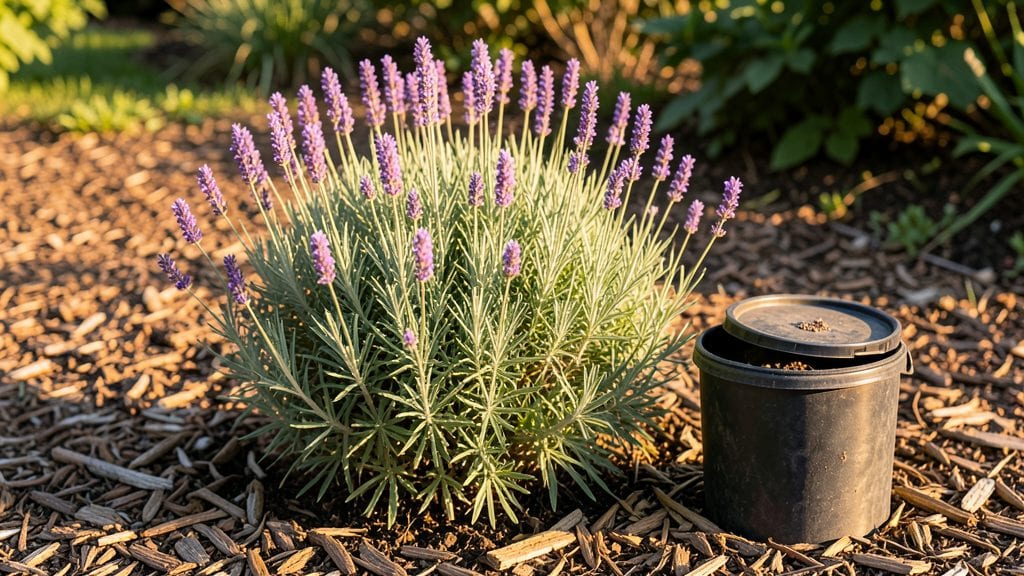
Using garden bed sealant preserves soil moisture, blocks weeds, and shields against erosion by forming a protective layer. The best time to apply it is in early spring or late fall, keeping it clear of planting zones, and you’ll want to pick between organic or synthetic options depending on your garden’s specific needs.
This protective layer works by reducing water evaporation, which is especially helpful in dry climates where soil can dry out quickly. 🌱 Organic sealants like wood chips or straw also improve soil health over time by decomposing and adding nutrients, while synthetic options like landscape fabric offer longer-lasting weed suppression.
I’ve found that pairing the right sealant with proper watering schedules can extend the life of your garden beds by up to 50%.
For example, rubber mulch is great for hot, dry areas because it retains moisture well, while pine straw works better in humid regions where airflow helps prevent mold. The key is matching your climate and plant types to the sealant’s properties—this makes all the difference in long-term results.
💡 In This Article
- How Garden Bed Sealants Protect Soil and Plants
- Top Garden Bed Sealant Products for Different Climates
How garden bed sealants protect soil and plants
Here's what's actually happening when you apply a garden bed sealant: it creates a physical barrier that slows water evaporation by up to 70% in dry conditions.
This works because most sealants—whether organic like wood chips or synthetic like landscape fabric—reduce the soil's exposure to air and sunlight, which are the primary drivers of moisture loss.
Think of it like wrapping your garden in a breathable blanket that keeps the moisture trapped inside while still allowing some airflow to the roots.
The temperature-regulating effects are equally impressive. Organic sealants like straw or bark mulch act as natural insulators, keeping soil 5-10°F cooler in summer and 3-5°F warmer in winter compared to uncovered soil. This stability is crucial because extreme temperature swings can shock plant roots.
Synthetic options like black plastic mulch take this further by absorbing heat during the day and radiating it back at night, creating a microclimate that extends growing seasons by 2-4 weeks in cooler regions. 🌡️
Weed suppression happens through two mechanisms: light deprivation and physical obstruction. Most synthetic sealants block 95-99% of sunlight from reaching weed seeds, preventing germination entirely. Organic options work differently—they smother existing weeds by creating dense layers that cut off their access to air and light.
For example, a 3-inch layer of wood chips can suppress weeds by 80% while gradually breaking down to enrich the soil, whereas landscape fabric might suppress weeds by 99% but does nothing for soil health.
The long-term impact on soil health varies dramatically between organic and synthetic options. Organic sealants improve soil structure over time by adding organic matter that feeds beneficial microbes. For instance, pine straw adds 1-2% organic carbon per year to the soil, while wood chips contribute nitrogen as they decompose.
Synthetic sealants, however, offer no nutritional benefits—they simply create a sterile barrier that must be replaced every 2-5 years depending on the material. The trade-off? Synthetics provide immediate weed control with minimal maintenance.
What most people don't realize is how sealants affect soil compaction. Heavy synthetic materials like rubber mulch can actually increase compaction over time, making it harder for roots to penetrate. Organic options, when properly layered, improve soil aeration as they decompose.
For example, a mix of 50% wood chips and 50% composted leaves creates ideal conditions for earthworms and beneficial fungi while preventing compaction. This is why professional gardeners often recommend organic sealants for long-term vegetable gardens. 🌱
Consider these key factors when choosing: the climate (arid areas need moisture retention, while humid regions prioritize airflow), your plants' root depth (shallow-rooted plants like lettuce need lighter sealants), and how long you plan to maintain the bed.
For example, a 4-inch layer of cedar mulch in a Mediterranean climate will last 18-24 months before needing replacement, while landscape fabric might last 5 years but require additional soil amendments to maintain fertility.