
Tools
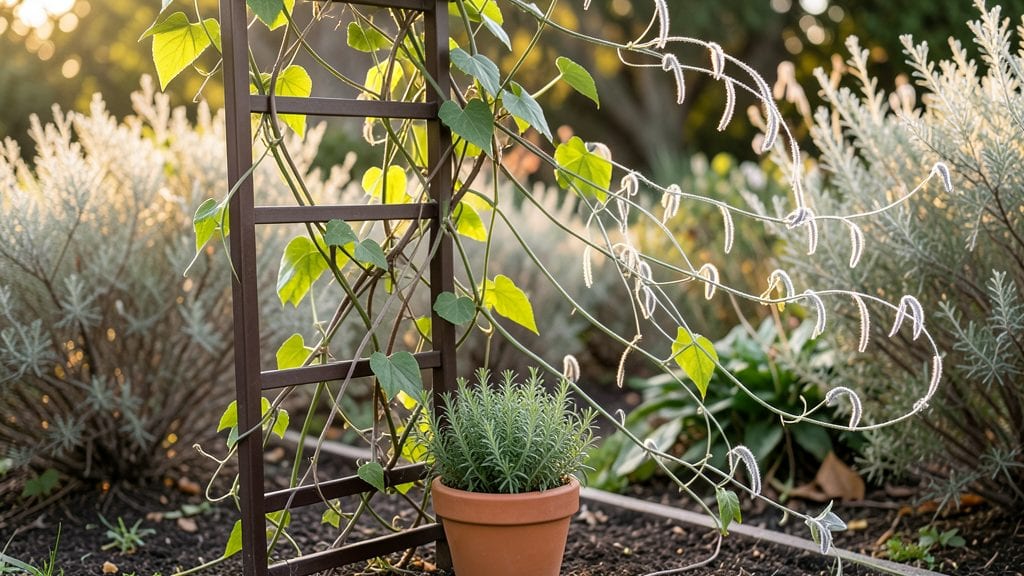
A foldable garden trellis provides space-saving flexibility for vines, cucumbers, and beans, featuring lightweight aluminum or powder-coated steel frames that handle 10-30 lbs per section while folding flat for easy storage. Choose models with rust protection and adjustable heights to maximize growing space.
A foldable garden trellis is a game-changer for small spaces or renters who need mobility.
The lightweight frames—typically aluminum or galvanized steel—make setup a breeze, while their collapsible design saves precious garage or shed space. 🌱 What I love most is how they adapt to different plants: a 6-foot trellis works perfectly for pole beans, while heavier climbers like melons require reinforced 8-10-foot models.
The key is matching the trellis's weight capacity to your plants' mature size, especially in windy areas where stability matters most.
Beyond weight limits, consider how the trellis expands—some use telescoping poles, while others have modular panels. This flexibility lets you adjust height as plants grow, preventing overcrowding. For example, a 4-foot trellis might start with peas but later support cucumbers as they vine upward.
Just remember: powder-coated steel resists rust better than aluminum in wet climates, and always check the manufacturer's load ratings before planting heavy vines like grapes.
💡 In This Article
- Materials and Weight Limits for Heavy Climbers
- Trellis Height and Plant Pairing Strategies
Materials and weight limits for heavy climbers
When selecting a trellis for heavy climbers like melons or roses, the material choice directly impacts durability and safety. Aluminum frames weigh about 1-2 lbs per foot but typically support only 10-20 lbs per section—ideal for lighter vines like cucumbers or pole beans.
Powder-coated steel, however, can handle 30-50 lbs per section due to its higher tensile strength (about 58,000 psi vs. aluminum's 15,000 psi). The coating adds 0.001-0.002 inches of protective layer, preventing rust even in humid conditions where moisture accelerates corrosion.
The weight capacity isn't just about the frame—it's about how plants distribute their load. A single melon vine can produce 5-10 lbs of fruit per plant, while roses add 2-5 lbs of blooms and stems.
This is why commercial trellises undergo static load tests (holding 150% of rated capacity for 24 hours) to ensure safety. DIY versions often fail because builders skip these tests, risking frame bending or collapse under heavy loads.
For example, a 6-foot aluminum trellis rated for 20 lbs might snap if loaded with 30 lbs of ripe cantaloupes.
Humidity turns material choice into a critical factor. Aluminum oxidizes naturally, forming a protective layer, but in coastal or rainy climates, this layer can degrade faster. Powder-coated steel, however, resists corrosion even in 90% humidity environments, making it the better pick for areas like Florida or the Pacific Northwest.
The coating's zinc content (typically 0.5-1 oz per square foot) acts as a sacrificial barrier, delaying rust formation by 5-10 years compared to untreated steel.
Here's how to match weight limits to plants:
- Light climbers (10-20 lbs): Pole beans, peas, or light vines—aluminum trellises work fine.
- Medium climbers (20-30 lbs): Cucumbers, zucchini, or small melons—powder-coated steel is safer.
- Heavy climbers (30-50 lbs): Tomatoes, grapes, or roses—only reinforced steel frames meet the demand.
For DIY trellises, use 1/2-inch galvanized steel tubing for main supports and 1/4-inch wire mesh for climbing surfaces. Commercial models often include load-bearing joints that distribute weight evenly, preventing stress points where frames might weaken.
Always check the manufacturer's safety factor—a trellis rated for 30 lbs should comfortably hold 45 lbs without permanent deformation.
What most people overlook is wind load. A 10-foot trellis with 50 lbs of fruit becomes a sail in 15 mph winds, adding 20-30 lbs of lateral force. This is why trellises for windy areas need stake anchors or ground screws to prevent tipping.
A simple test: If your trellis sways more than 5 degrees in a breeze, it's underdesigned for your location.