Pests
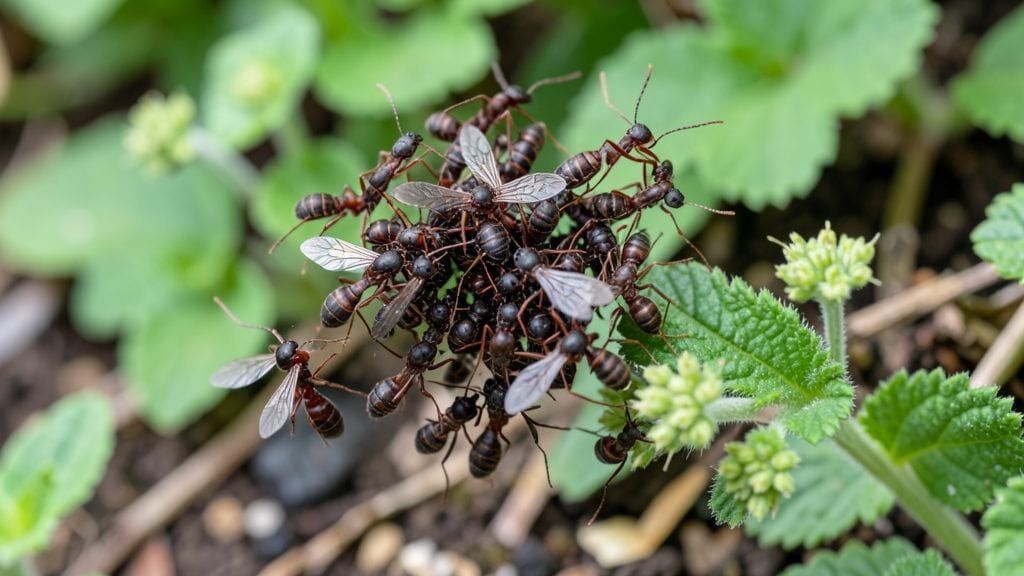
Flying ants in the garden aren’t just annoying—they can strip plants bare overnight. 🌿 I’ve battled them for years, and the key isn’t chemicals but smart, natural barriers that keep them out without harming your yard’s balance.
The worst part? They swarm in summer, mistaking your garden for their next feast. But once you understand their habits—like how they follow moisture and food trails—you can outsmart them. Simple fixes like diatomaceous earth around plants or citrus peels in soil work better than sprays and last all season.
By the end, your garden stays lush and pest-free while supporting bees and other pollinators. No more lost harvests or chewed leaves—just a thriving space where nature stays in harmony. Let’s get those ants out for good.
Works for veggie patches, flower beds, and even potted plants. The same tricks keep them away from patios too—no extra effort, just smarter placement. Here’s how to set it up right from the start.
The Science Behind Swarm Seasons
Every summer, gardeners brace for the annual spectacle of flying ants emerging in massive swarms—often mistaken for locusts or even alien invaders. 🐜✨ But why does this happen? The answer lies in the ants’ life cycle, environmental triggers, and their fascinating social behavior.
Understanding these causes isn’t just satisfying curiosity; it’s the first step to outsmarting them.
Flying ants are seasonal because their reproduction is temperature-dependent. Here’s how it works:
- Trigger Temperature: Most species (like the Lasius niger or "black garden ant") need consistent warmth (65–85°F / 18–30°C) for weeks to kickstart their mating cycle. This is why swarms peak in late summer—after soil and air have baked under the sun.
- Moisture Matters: Rainfall in spring/summer signals ants that conditions are ideal for raising young. Damp soil helps queen ants lay eggs, and humidity ensures larvae survive. Pro tip: If your garden stays soggy after rain, you’re basically rolling out the welcome mat for ant colonies. 🌧️
- Day Length Cues: Longer daylight hours (a hallmark of summer) act as a biological clock, telling worker ants, “It’s time to reproduce!”
Actionable Insight: Monitor your local weather patterns. If temps spike and humidity rises, expect flying ants in 2–4 weeks. This early warning lets you prep defenses before the swarm arrives.
Ants are not random freeloaders—they’re following a survival strategy. Here’s the breakdown:
| Colony Phase | Why It Triggers Swarms |
|---|---|
| 1–2 Years Old | Young colonies lack space and resources. Workers must spread out to avoid competition. |
| 3–5 Years Old | Peak mating energy! Colonies are bursting at the seams with workers, queens, and larvae. The goal? Maximize genetic diversity by sending out winged reproductives. |
| 6+ Years Old | Declining health. Older colonies desperately need new queens to carry on the lineage. |
Key Takeaway: If you’ve noticed tiny mounds (like golf balls) in your lawn, those are new colonies—future swarm hotspots. 🏡🔍 Pro tip: Destroy mounds before they mature (use vinegar or boiling water) to cut off the problem at the source.
Flying ants don’t swarm just because of the weather—they do it because your garden is a buffet with a five-star hotel. Here’s what attracts them:
- Sugar Sources: Aphids, honeydew, ripe fruit, and even your BBQ sauce lure worker ants, which then signal the colony to produce flying reproductives.
- Protein Feasts: Dead insects, pet food, and compost piles are queen-approved nurseries. A single protein-rich meal can double a queen’s egg-laying capacity.
- Moisture-Rich Havens: Potted plants, mulch piles, and cracks in foundations offer perfect nesting sites. Once established, colonies expand rapidly.
💡 Prevention Hack: Remove all potential food/water sources. No aphids? Ladybugs eat them. No standing water? Ants won’t linger. No compost near the house? They’ll nest elsewhere.
The queen ant is the CEO of reproduction, and her timeline dictates swarm seasons:
- Spring Prep: Queens lay fertile eggs (not sterile worker eggs) in early summer, primed by warm soil.
- Larvae Development: Eggs hatch into larvae, which must feed for 3–4 weeks before pupating into winged adults.
- The Swarm Trigger: Once pupae mature, worker ants release pheromones to signal, “It’s mating time!” This is why swarms happen simultaneously across a region.
🔥 Biological Fact: Flying ants live for only 24–48 hours post-swarm—their sole purpose is to mate and die. The winners? New queens and males that fertilize them. The losers? Your picnic plans.
Natural Ways to Keep Flying Ants Out
Flying ants in your garden can be a nuisance, but the good news is that many effective, chemical-free solutions exist. The key is understanding why they’re there and targeting those triggers with practical fixes. Below, we’ve mapped common causes to actionable fixes—plus prevention tips to keep your garden ant-free long-term.
Flying ants often invade gardens through tiny gaps in doors, windows, or cracks in walls. Sealing these openings is your first line of defense.
- 🔍 Inspect your home’s perimeter for gaps around pipes, vents, or foundation cracks.
Use caulk or weatherstripping to seal them. - 🪟 Install fine mesh screens on windows, vents, and doors to prevent entry without blocking airflow. - 🌿 Trim back overgrown vegetation near your home—ants use plants as highways to reach food sources.
Pro Tip: 💡 Check for moisture leaks first! Ants are drawn to damp areas, so fixing leaks can deter them before they even arrive.
Flying ants nest in soil, wood, or decaying plant matter. Removing their preferred habitats makes your garden less appealing.
- 🪓 Remove rotting wood, stumps, or fallen branches from your yard—these are prime nesting spots. - 🌱 Keep mulch and leaf litter to a minimum, especially near your home’s foundation. - 💧 Avoid overwatering—ants seek out damp soil.
Water plants in the morning so moisture evaporates by evening.
Pro Tip: ✨ If you spot a mound of tiny wings near your garden, it’s a sign of a nearby nest. Treat the area with boiling water or vinegar to disrupt it (but avoid harming plants).
Ants dislike certain scents and textures. Strategic placement of these can create a barrier.
| Repellent | How to Use | Why It Works |
|---|---|---|
| Diatomaceous Earth | Sprinkle lightly around entry points and garden beds. | Kills ants by dehydrating them (safe for plants). |
| Cinnamon | Sprinkle ground cinnamon near ant trails or entry points. | Disrupts their scent trails. |
| Lemon Juice | Spray diluted lemon juice along windowsills and garden edges. | Ants avoid citrus scents. |
| Essential Oils | Mix peppermint, tea tree, or eucalyptus oil with water and spray. | Overpowering scents repel ants. |
Pro Tip: 🌡️ Reapply repellents after rain—they wash away quickly!
Ants forage for food, and gardens are a buffet. Eliminate their incentives to visit.
- 🗑️ Store trash in sealed bins and take them out regularly.
- 🥜 Avoid leaving pet food or birdseed outdoors—ants will swarm it.
- 🍎 Pick up fallen fruit or overripe produce from trees and bushes.
- 🌻 Clean up spills (especially sugary drinks or grease) immediately.
Pro Tip: 🎯 Place borax or sugar bait stations (store-bought or DIY) far from your home to lure ants away from your garden.
Flying ants are most active before rain. Adjusting your garden’s conditions can make it less attractive.
- 🌞 Improve drainage—ants love moist soil. Use gravel or sand in problem areas.
- ☀️ Plant ant-repelling herbs like mint, lavender, or basil near entry points.
- 🌿 Space out plants to reduce humidity and decaying matter.
Pro Tip: 🔥 If you’re dealing with a mass emergence (swarming season), time outdoor activities for early morning or late evening when ants are least active.
To keep flying ants from becoming a recurring issue: ✅ Inspect and seal your home every spring and fall. ✅ Maintain a tidy garden—remove debris and overgrown plants. ✅ Monitor for early signs (tiny wings, trails, or mounds). ✅ Rotate repellents to prevent ants from adapting.
By combining these strategies, you’ll create a garden that’s unwelcoming to flying ants—without harsh chemicals. Stay proactive, and you’ll enjoy a pest-free outdoor space all season long!
Frequently asked questions
Why do flying ants suddenly appear in my garden every summer?
They swarm during warm, humid weather when colonies are ready to reproduce. These "nuptial flights" happen simultaneously across regions because worker ants release pheromones signaling mating time. The swarm lasts just 24-48 hours—their sole purpose is to mate and die.
Are flying ants the same as termites?
No! Flying ants have bent antennae and a pinched waist, while termites have straight antennae and a broad waist. Termites also shed wings after mating, while ants keep theirs. If you see swarms indoors, it's more likely termites—contact a pest pro immediately.
Will diatomaceous earth harm my plants?
Not when used correctly! Food-grade diatomaceous earth is safe for plants but must be dry—it loses effectiveness when wet. Sprinkle lightly around garden edges (not directly on leaves) and reapply after rain. It dehydrates ants without affecting your greenery.
How do I know if flying ants are nesting in my garden?
Look for small mounds (like golf balls) in lawns or under mulch, or piles of tiny wings after swarms. Dig gently near trails—if you find tunnels or larvae, that's their nest. Treat with boiling water or vinegar to disrupt colonies before they mature.
Can I use citrus peels to repel flying ants?
Yes! Scatter dried citrus peels (orange, lemon, lime) around garden beds—the strong scent disrupts their trails. Refresh every few weeks or crush fresh peels into soil. For extra protection, combine with cinnamon or peppermint oil for a stronger barrier.