
Pests
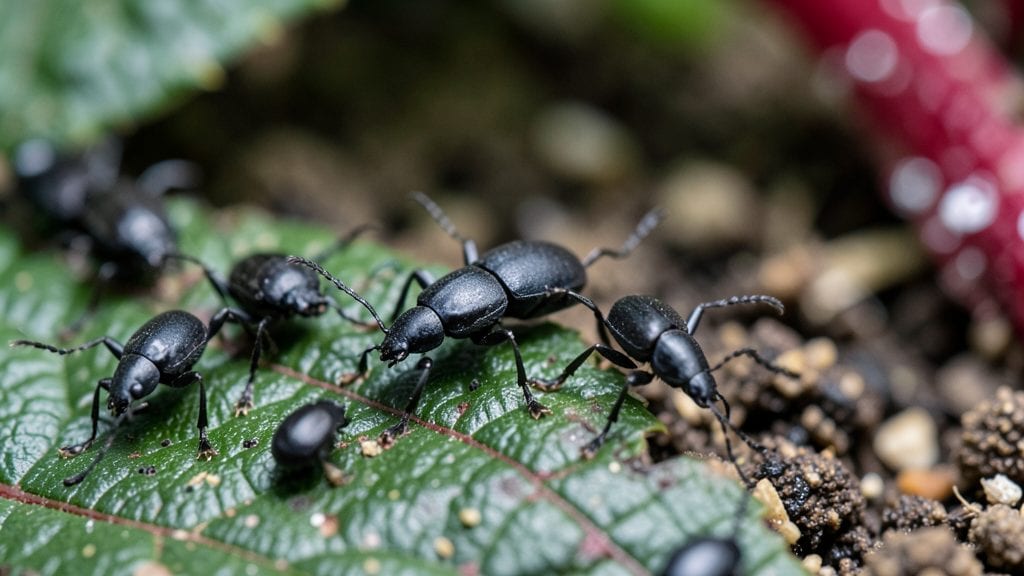
Flea beetles in the garden turned my zucchini leaves into lace before I even noticed the tiny black specks darting away—these pests don’t just nibble, they skeletonize foliage overnight, leaving plants stressed and stunted. 🌿 The good news?
Row covers work like armor, blocking beetles while letting sunlight and water through.
My first attempt with lightweight fabric saved my tomatoes completely—no holes, no wilting, just normal growth. The trick is securing edges tightly so beetles can’t sneak underneath. You’ll need 4-6 foot wide covers for most garden beds, and they last multiple seasons if stored properly.
By mid-July, your plants will look like they’ve never met a beetle. The covers stay in place until flowers appear (then remove them for pollination), and you avoid chemical sprays entirely. Plus, the fabric protects against other pests like cabbage worms too.
Works for any vegetable garden, from backyard plots to raised beds. Here’s exactly how to set them up before the beetles arrive next season—no guesswork, just results.
Root Causes of Flea Beetle Infestations
Flea beetles don’t just appear in your garden out of nowhere—they’re drawn by specific conditions that make your plants look like an all-you-can-eat buffet. Understanding these triggers helps you prevent (not just react) to their attacks. Here’s why these tiny pests become a big problem:
Flea beetles have a serious weakness for newly sprouted seedlings and tender young plants. Why? Because their soft stems and leaves are easy to chew through, and their high moisture content makes them nutritious. Here’s the science:
- Enzymes in saliva: Flea beetles inject digestive enzymes into plant tissue, breaking it down before they even take a bite. This creates immediate damage—tiny holes that weaken the plant’s ability to photosynthesize.
- Volatile organic compounds (VOCs): Young plants emit chemical signals that flea beetles detect from up to 10 feet away. These VOCs act like a dinner bell, luring adults to lay eggs near fresh growth.
- Thin cuticles: Mature plants develop thicker, waxier outer layers (cuticles) that deter pests. Seedlings? Their cuticles are paper-thin, making them an easy target.
Actionable fix: If you’re starting seeds outdoors or transplanting, use row covers or fine mesh netting the moment seedlings emerge. Even a lightweight fabric (like Agribon-15) can block 90% of beetles.
Not all plants are equally tempting to flea beetles. These pests have a preference list, and if your garden matches their menu, they’ll move in fast. Here’s what makes certain plants irresistible:
| Plant Type | Why Flea Beetles Love It | Scientific Reason |
|---|---|---|
| Nightshades (Tomatoes, Peppers, Eggplants) | Soft, hairless leaves | Lack of trichomes (plant hairs) makes them easier to chew. Solanaceous plants also produce alkaloids that attract flea beetle predators—but the beetles ignore these cues. |
| Cucurbits (Cucumbers, Squash, Melons) | High water content in leaves | Flea beetles thrive in humid conditions, and cucurbits retain moisture longer, making them juicier targets. |
| Cole Crops (Cabbage, Broccoli, Kale) | Strong sulfur compounds | While these smells repel some pests, flea beetles are drawn to sulfur-rich plants because it signals high nitrogen content (their favorite food). |
| Legumes (Beans, Peas) | Nitrogen-fixing roots | Legumes naturally produce amino acids in their leaves, which flea beetles find irresistible. |
Actionable fix: If you’re growing high-risk plants, interplant with flea beetle repellents like:
- Radishes (their peppery scent confuses beetles)
- Marigolds (emit limonene, a natural deterrent)
- Nasturtiums (contain mustard oils that repel pests)
For severe cases, yellow sticky traps placed near plants can reduce adult populations by 30–50% in a week.
Flea beetles are cold-blooded, meaning their activity levels skyrocket when temperatures rise. Here’s how weather plays into their invasion:
- 60–85°F (15–29°C) = Prime Time: This is their ideal temperature range. Below 50°F (10°C), they become sluggish; above 90°F (32°C), they seek shade and moisture.
- Drought stress = Weakened Plants: When soil is dry, plants transpire more (lose water faster), making their leaves more tender and nutrient-rich—a flea beetle’s dream.
- Low Humidity = Easier Movement: Flea beetles can jump 12–18 inches in a single leap, but dry air makes their exoskeletons lighter and more agile, helping them cover more ground.
Actionable fix:
- 💡 Mulch heavily (2–3 inches of straw or wood chips) to retain soil moisture and cool root zones.
- 🌡️ Water deeply in the morning (1–2 inches per week) to encourage deep root growth and reduce plant stress.
- ✨ Use shade cloth (30–50% coverage) over susceptible plants in peak summer to lower leaf temperatures by 10–15°F.
Flea beetles don’t just appear in spring—they survive winter in your garden, ready to strike when conditions warm up. Here’s how they do it:
- Adults hide in leaf litter: Many species (like the Systema frontalis) burrow into duff, mulch, or garden debris and enter diapause (a dormant state) when temps drop below 50°F (10°C).
- Eggs survive in soil: Female flea beetles lay eggs in moist, well-drained soil near host plants. These eggs can stay viable for up to 2 years if conditions are right.
- Weeds act as nurseries: Plants like purslane, chickweed, and lamb’s quarters provide perfect overwintering spots because they stay green late into fall.
Actionable fix:
- 🔥 Clean up garden debris in late fall—remove old plant material, mulch, and weeds from beds.
- 🌱 Till or solarize soil in early spring (cover with clear plastic for 4–6 weeks) to kill overwintering eggs.
- 🎯 Plant trap crops like radishes or mustard greens in early spring to lure adults away from your main crops.
Quick Fixes for Beetle Damage
Flea beetles may seem like tiny, relentless invaders, but with the right strategies, you can protect your garden and keep your plants thriving. Below are practical, actionable solutions tailored to common causes of flea beetle damage—from early intervention to long-term prevention. Let’s turn the tide on these pesky pests!
Flea beetles are small but can cause big problems if left unchecked. Row covers (like lightweight fabric or fine mesh) are one of the most effective ways to block them instantly. Here’s how:
🔥 Install Row Covers Properly
- When to use: Apply covers before beetles appear (early spring) or as soon as you spot damage.
- How to do it: Secure the fabric over plants with stakes, clips, or bricks to prevent gaps.
Leave the bottom edges buried slightly in soil to deter crawling pests. - Pro tip: Use floating row covers (breathable but strong) to allow pollination while blocking beetles. 🌱
🍳 DIY Alternative: Collars or Cages
For smaller plants or seedlings, create protective collars from:
- Toilet paper rolls (cut and bury around stems)
- Plastic or metal collars (1–2 inches tall, buried at the base)
- Wire mesh cages (for delicate plants like lettuce or radishes)
Why it works: Beetles can’t jump high or climb smooth surfaces, making these barriers nearly impenetrable.
Flea beetles love certain plants more than others. Use trap crops to lure them away from your prized veggies.
💡 Plant Trap Crops Strategically
- Best options: Radishes, turnips, or mustard greens (beetles adore them).
- How to set it up: 1. Plant trap crops around the perimeter of your garden.
- Once beetles infest them (usually within days), remove and destroy the plants (don’t compost—they’ll reinfest!).
- Repeat as needed to keep populations low.
🎯 Homemade Beer Traps (Yes, Really!)
Flea beetles are attracted to fermenting yeast. Brew a simple trap:
- Mix 1 part beer (or apple cider vinegar) with 1 part water in a shallow dish.
- Bury the dish flush with the soil near affected plants.
- Check daily and replace every 2–3 days. 🍺🐜
If beetles are already causing damage, organic sprays can help without harming beneficial insects.
🍳 Neem Oil Spray (Safe & Effective)
- Recipe: Mix 1 tbsp neem oil + 1 tsp mild soap + 1 quart water.
Shake well. - How to apply: - Spray early morning or late evening (avoid direct sun). - Reapply every 5–7 days or after rain. - Why it works: Disrupts beetle feeding and reproduction.
🥘 Diatomaceous Earth (DE) Dust
- How to use: Lightly dust food-grade DE on soil around plants (avoid direct contact with foliage).
- Caution: Reapply after watering—it loses effectiveness when wet.
- Bonus: Also repels slugs and ants! 🐜➡️❌
🔥 Pyrethrin Spray (Fast-Kill Option)
- Best for: Severe infestations (use sparingly—it kills beneficial insects too).
- How to apply: Follow label instructions (usually early morning spray).
- Note: Reapply every 3–5 days and avoid edible plants before harvest.
The best defense is a proactive garden setup. Here’s how to make your space less inviting:
🌱 Choose Resistant Plant Varieties
Some plants naturally deter flea beetles. Opt for:
- Beet varieties: ‘Burpee’s Golden’ or ‘Detroit Dark Red’ (less appealing).
- Potatoes: ‘Red LaSoda’ or ‘Yukon Gold’ (thicker skins deter feeding).
- Cucumbers: ‘Straight Eight’ (hairy stems repel beetles).
💡 Garden Hygiene: Reduce Hiding Spots
- Remove debris: Clear old plant matter where beetles overwinter.
- Rotate crops: Plant the same family (e.g., brassicas) in different spots each year.
- Mulch wisely: Use straw or grass clippings (avoid thick layers—beetles hide in them).
🎯 Encourage Natural Predators
Attract beetle-eating allies like:
- Birds (install birdhouses or feeders).
- Ground beetles (leave some bare soil or mulch).
- Lacewings & ladybugs (plant dill, fennel, or marigolds nearby).
For maximum protection, layer your defenses:
- Start with row covers (physical block).
- Add trap crops (divert beetles).
- Spot-treat with neem oil (prevent feeding).
- Maintain garden cleanliness (break the beetle life cycle).
With these simple, science-backed strategies, you’ll send flea beetles packing—without harsh chemicals. Your garden (and your sanity) will thank you! 🌿💪
Frequently asked questions about tiny black pests in gardens
How can I tell if those tiny holes in my leaves are from flea beetles?
The damage looks like shotgun blasts—tiny, irregular holes scattered across leaves, often with a few black specks (the beetles) darting away when you disturb the plant. Check the undersides of leaves too, where adults often hide during the day. Early morning is the best time to spot them.
Will my plants recover if I remove the row covers later?
Yes! Once beetles are blocked, new growth will emerge within 7–10 days with minimal damage. Just remove covers when flowers appear (to allow pollination) and monitor for returning beetles. Most plants bounce back quickly if roots stay healthy.
Are yellow sticky traps worth using against flea beetles?
They help reduce adult populations by 30–50% when placed near high-risk plants, but they’re not a standalone solution. For best results, combine traps with row covers or neem oil. Replace traps every 5–7 days—they get saturated fast!
Can I use coffee grounds to repel flea beetles?
Coffee grounds work marginally—their strong smell may deter some beetles, but they’re not as effective as neem oil or diatomaceous earth. For better results, mix grounds with 1 part water to create a paste and apply to soil around plants (reapply after rain).
Why do flea beetles seem worse in my garden than my neighbor’s?
Your garden might have more susceptible plants (like cucurbits or nightshades) or warmer microclimates (beetles thrive at 60–85°F). Weeds, mulch piles, and overwintering debris also create ideal hiding spots. Try crop rotation and cleaner garden beds to break their life cycle.