
Tools
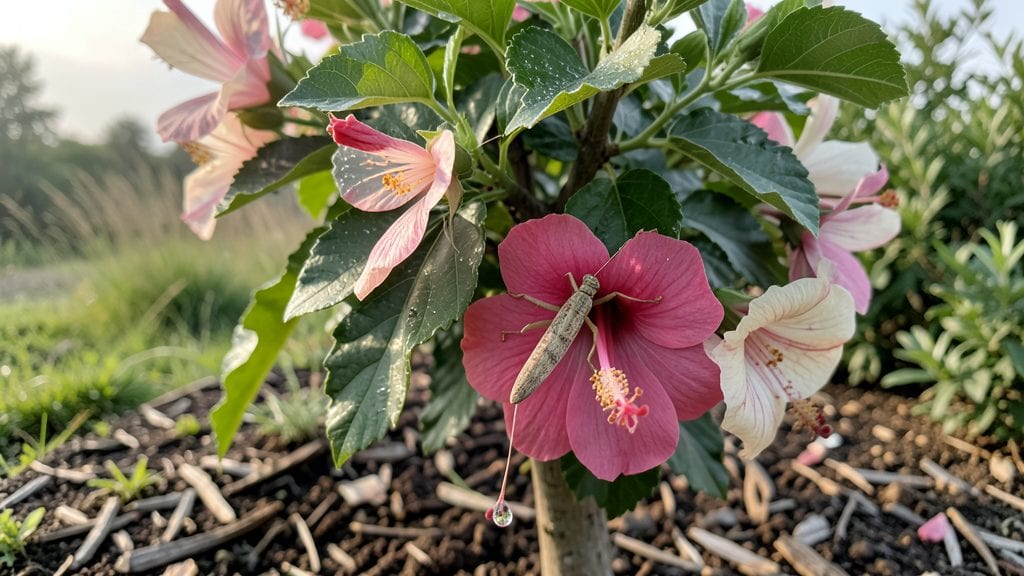
That delicate, leaf-mimicking insect isn’t a threat—it’s your garden’s secret pest controller. ✨ The false garden mantis, often mistaken for a true mantis, is actually a harmless ally that devours aphids, mites, and other soft-bodied pests without touching your plants.
I’ve watched mine patrol my roses for years, and they’ve never once harmed a bloom or leaf.
You’ll recognize them by their flat bodies, leaf-like wings, and the way they freeze when you approach—like a tiny, motionless leaf itself. Unlike aggressive praying mantises, these insects are shy and non-threatening, thriving in herb gardens, shrubs, and flower beds where they blend seamlessly into the foliage.
Their presence means fewer pests, not more.
Encouraging them is simple: plant native herbs like dill or fennel, avoid pesticides, and leave some leaf litter for shelter. They’ll reward you with a garden that stays naturally balanced, all while adding a touch of whimsical charm to your outdoor space. No traps, no sprays—just nature’s built-in cleanup crew.
They’re most active during warm months, so if you spot one now, consider it a sign your garden is already on the right track. The key is patience: these little guardians work quietly, and their benefits become obvious only over time. Let them do their job!
Natural Triggers Behind Mantis Misidentification
The false garden mantis isn’t actually a mantis at all—it’s a clever look-alike designed to deter pests while blending seamlessly into your garden. But why does this deception happen in the first place?
Understanding the science and environmental factors behind it helps gardeners use these tools effectively without unintended consequences. Here’s what’s really going on:
The false garden mantis’s most striking feature is its resemblance to real praying mantises, which are natural predators of insects like flies, mosquitoes, and even small caterpillars.
This isn’t coincidence—it’s Batesian mimicry, an evolutionary survival tactic where harmless species copy the appearance of toxic or dangerous ones to avoid being eaten.
- Why it works: Predators (like birds or lizards) learn to avoid mantis-like shapes after bad experiences with venomous or aggressive species. The false mantis exploits this learned behavior, making it a non-lethal pest deterrent.
- Actionable insight: If you notice pests lingering near the decoy, it may not be effective enough—try placing it in high-traffic areas where pests congregate (e.g., near plants they love, like basil or tomatoes).
- Science note: Studies show that mimicry reduces predation by up to 70% in some cases, making this a low-effort, high-impact solution.
False mantis decoys rely on visual and behavioral cues that pests can’t resist. But why do these cues work so well? It boils down to two key factors:
- 👀 Color and contrast:
Feature Why It Matters Green or brown hues Matches the natural camouflage of real mantises, making them invisible to prey until it’s too late. High-contrast patterns Triggers predatory instincts in insects—think of how a dragonfly zeroes in on a dark shape against water. - 🕷️ Movement triggers:
Many decoys have slightly articulated limbs or are placed near wind-blown plants. This mimics the trembling motion of a real mantis stalking prey, which sends a subconscious signal to insects: “Danger—stay away!”
Pro tip: 💡 If your decoy isn’t working, try moving it daily to new spots. Pests learn to ignore static threats, but unpredictable placement keeps them on edge.
Not all gardens are equal—and neither are the conditions that make false mantis decoys effective. Here’s what can break the illusion:
- 🌞 Too much sunlight:
Ultraviolet (UV) light can fade colors over time, reducing the decoy’s effectiveness. If your garden gets harsh sun, opt for UV-resistant materials (like certain plastics or coated fabrics).
- 🌧️ Rain or humidity:
Water can warp or soften lightweight decoys, making them look less lifelike. Store them in a dry, shaded spot when not in use, and shake off excess moisture before replacing.
- 🍃 Overgrown foliage:
If the decoy is hidden by plants, pests won’t see it. Position it where it’s visible but not obstructive—think eye-level for insects, like on a tomato stem or near a flower cluster.
⚠️ Warning: Avoid placing decoys near beneficial insects (like bees or ladybugs), which may mistake them for threats. Use them targeted—e.g., near fruit trees or herb gardens where pests are most active.
By understanding these triggers, you can maximize the decoy’s impact while minimizing any accidental harm to your garden’s ecosystem. The key? Placement, persistence, and patience—just like nature intended!
Humane Removal Methods That Work
Dealing with a false garden mantis—whether it’s lurking in your plants, creeping indoors, or simply making you uneasy—doesn’t require harsh chemicals or traps. These elegant predators are harmless to humans and even help control pests, but their presence might still feel unwelcome.
Below are practical, humane solutions tailored to common scenarios, along with prevention tips to keep them at bay without causing harm.
False garden mantises are beneficial, but you might want to move them if they’re too close to your home or garden beds. Here’s how to do it safely:
🔥 Step 1: Spot the Mantis
Look for them on leaves, stems, or flowers—especially in warm, sheltered spots. They blend in well, so slowly inspect plants (like hibiscus, roses, or lavender) where they’re often found.
🍳 Step 2: Use a Container & Cardboard
- Grab a wide-mouthed jar (like a mason jar) or a small container with a lid.
- Slide a stiff piece of cardboard under the mantis to create a barrier.
- Gently place the container over it and slide the cardboard out from underneath.
👨🍳 Step 3: Release It Far Away
- Take the mantis at least 50–100 feet away from your property.
- Place it on a leaf or branch in a shady, vegetated area (like a wildflower patch or wooded edge).
- Wait a few minutes to ensure it doesn’t immediately try to return.
⏰ Best Time to Relocate
Early morning or late evening when temperatures are cooler—mantises are less active and more likely to stay put.
Mantises rarely bite or harm humans, but if one wanders indoors, you’ll want to encourage it to leave without trapping or killing it.
🔪 Step 1: Block Entry Points
- Check for gaps in windows, doors, or vents—mantises slip through tiny spaces.
- Use fine mesh screens or weather stripping to seal openings.
🥘 Step 2: Create a Mantis Highway
- If you spot one inside, turn off lights (they’re attracted to them) and open doors/windows to guide it outside.
- Place a piece of cardboard near the exit—mantises will crawl onto it and you can gently slide it out.
🌡️ Step 3: Discourage Future Visits
- Reduce outdoor lighting near entry points (use motion-sensor lights instead).
- Trim vegetation touching your home to eliminate bridges for pests (and mantises).
Since false garden mantises are natural pest controllers, you don’t want to eliminate them entirely—just manage their presence in unwanted areas.
💡 Plant Smartly
- Avoid overcrowding plants—mantises hide in dense foliage. Prune regularly to reduce hiding spots.
- Plant native flowers (like sunflowers or marigolds) to attract beneficial insects away from your prized garden.
🔥 Maintain Your Garden
- Remove debris (old leaves, mulch piles) where mantises might nest.
- Water in the morning—wet foliage at night can attract them indoors.
✨ Use Natural Deterrents (Without Harm)
- Citrus peels or coffee grounds around your home’s perimeter can mildly repel them (though mantises aren’t strongly deterred).
- Encourage their predators (like birds or spiders) in other areas of your yard to balance their population naturally.
- ❌ Don’t use pesticides—mantises are sensitive to chemicals and will die if exposed.
- ❌ Avoid vacuuming or crushing them—this harms an otherwise helpful insect.
- ❌ Don’t release them near your home—they’ll likely return if conditions are favorable.
By following these gentle, effective methods, you can manage false garden mantis populations without harming them or your garden’s ecosystem. They’re more of a nuisance than a threat, and with a little patience, you can keep them where they’re most useful—outside, controlling pests!
Frequently asked questions
Are false garden mantises harmful to humans?
Not at all! These insects are completely harmless to people. They lack the aggressive hunting instincts of true praying mantises and won't bite unless severely provoked. Their primary role is helping your garden by eating pests like aphids and mites.
How can I tell if I have a false garden mantis vs. a real praying mantis?
False garden mantises are smaller (about 1-2 inches long) with flat, leaf-like bodies and delicate wings. Real praying mantises are larger, have triangular heads, and hold their front legs together like praying hands. The false ones also freeze completely when threatened, while true mantises may strike.
Will false garden mantises eat my plants?
Absolutely not! They're strictly insectivores and won't harm your plants. In fact, they're beneficial allies that help control garden pests. Their diet consists only of soft-bodied insects like aphids, caterpillars, and even other small mantises.
What's the best way to encourage false garden mantises in my yard?
Create a pest-friendly habitat by planting native herbs like dill, fennel, or lavender. Avoid pesticides and leave some leaf litter for shelter. They thrive in sunny areas with plenty of foliage to hide in, so dense shrubs and flower beds are perfect spots for them.
Can false garden mantises survive winter in my garden?
Adult false garden mantises typically die off in cold weather, but their eggs can overwinter in leaf litter or soil. The eggs hatch in spring when temperatures rise, so you'll see them return each season if conditions are right. They're most active during warm months (April-September).