
Pests
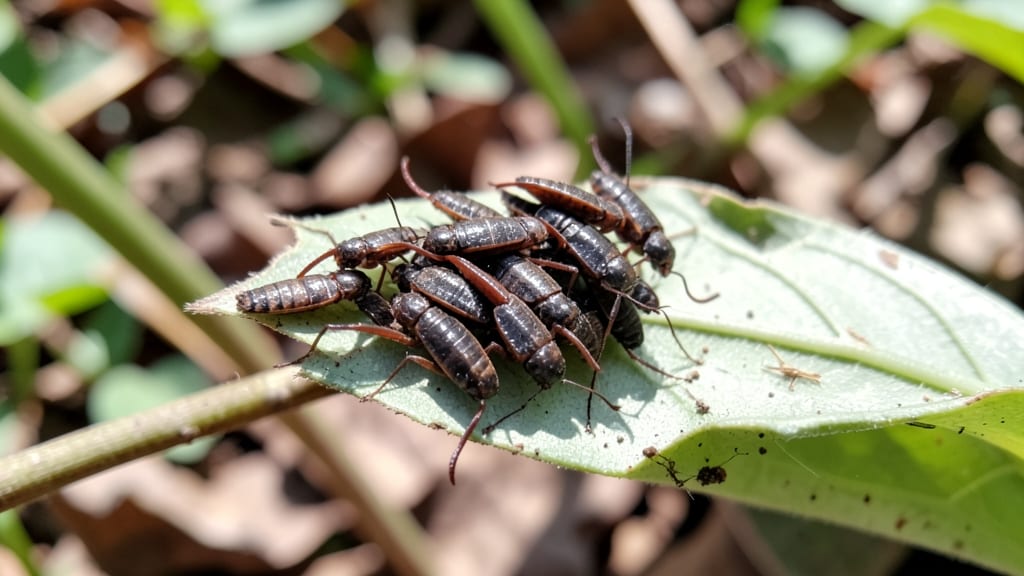
My garden’s earwig infestation last summer left curled leaves and tiny holes in my prized hostas—until I discovered these simple, chemical-free traps that actually work. 🌿 These pests aren’t just annoying; they’ll chew through flowers, seedlings, and even your veggies if left unchecked.
The good news? You can outsmart them with everyday household items and a little patience.
Most people assume earwigs are destructive nuisances, but they’re actually harmless to plants unless they’re in swarms. The real issue is their love of damp, dark spaces—your garden beds, mulch piles, and even under pots become their hideouts.
My breakthrough came when I swapped chemical sprays for rolled-up newspaper traps soaked in beer. Within days, the population dropped dramatically without harming a single beneficial bug.
You’ll see results fast: fewer chewed leaves, no more hiding pests, and a garden that stays lush and healthy. The best part? These traps are reusable, cost next to nothing, and work just as well in containers as they do in raised beds.
Once you’ve cleared the worst of them, I’ll show you how to keep them from coming back—no more surprises when you check your plants.
Whether you’re dealing with a full-blown invasion or just want to prevent one, these methods adapt to any garden size or type. No more guessing what’s eating your basil or why your roses look ragged—just straightforward solutions that actually deliver. Let’s get those earwigs under control for good.
The Hidden Triggers Behind Earwigs
Earwigs may seem like sneaky intruders, but their presence in your garden is rarely random. Understanding the why behind their infestations helps you tackle the problem at its root—before they become a full-blown pest.
Here’s a breakdown of the most common causes, backed by science, so you can outsmart these nocturnal critters.
Earwigs thrive in damp environments because their exoskeletons are highly permeable to water. Without a protective layer like insects with waxy coatings, they absorb moisture through their bodies—making humidity their top survival priority.
- Why it happens: - High humidity (60%+) creates ideal breeding conditions.
Earwigs need moisture to survive, especially their eggs, which require damp soil or leaf litter to hatch. - Poor drainage in garden beds or mulch traps excess water, turning your soil into an all-you-can-eat buffet for earwigs. - Overwatering plants (especially at night) leaves dew on leaves, which earwigs use as a water source and hunting ground.
- Actionable insight: - Test your soil’s moisture with a simple probe: If it feels soggy 2–3 inches down, you’re overdoing it.
Aim for dry-but-not-dry conditions. - Improve drainage by amending clay soil with compost or sand, and avoid compacting soil with heavy foot traffic. - Water in the morning to allow foliage to dry, reducing overnight humidity.
Earwigs are opportunistic hiders, slipping into any dark, cozy nook they can find. Their flattened bodies and pincers make them expert crawlers into tight spaces, from mulch piles to flower pots.
- Why it happens:
- Thick mulch layers (over 2–3 inches) create microclimates with high humidity and organic debris—perfect for earwig colonies.
- Leaf litter and garden debris provide shelter and food (decaying plant matter is a protein-rich feast for them).
- Cracks in garden structures (wooden fences, brick walls, or even gaps in patio stones) offer daytime hiding spots, letting them emerge at night to forage.
- Actionable insight:
- Reduce mulch depth to 1–2 inches and keep it 6–12 inches away from plant stems to discourage nesting.
- Clear leaf litter and debris regularly, especially under shrubs and along fences.
- Seal gaps in garden structures with caulk or metal flashing to block entry points.
Earwigs are omnivorous scavengers, feeding on a mix of decaying plant matter, live insects, and even young seedlings. Their diet makes them both a nuisance and a potential ally (since they eat other pests like aphids—but in large numbers, they’ll turn on your plants).
- Why it happens:
- Decaying organic matter (compost piles, rotting fruits, or fallen petals) attracts earwigs for food and shelter.
- Young, tender plants (like lettuce, basil, or marigolds) are easy prey, especially if the soil is moist.
- Other garden pests (like slugs or soft-bodied insects) draw earwigs, which see them as a meal.
- Actionable insight:
- Remove fallen fruit, veggies, and flowers promptly to eliminate food sources.
- Avoid over-fertilizing with nitrogen-rich compost, which can boost earwig populations by creating more decaying organic material.
- Protect vulnerable plants with row covers or diatomaceous earth (a natural, non-toxic barrier) around seedlings.
Earwigs are most active during warm, humid nights (spring through early fall), but their life cycle means they can become a year-round problem in mild climates.
- Why it happens:
- Spring rains trigger egg-laying, leading to explosive population growth by summer.
- Fall leaf drop provides extra shelter and food, causing earwigs to migrate toward homes and gardens.
- Mild winters allow earwigs to survive underground, emerging earlier in spring with higher numbers.
- Actionable insight:
- Monitor earwig activity after heavy rains or in fall—this is when preventive measures (like traps or barriers) work best.
- Disrupt their life cycle by tilling soil in early spring (if possible) to expose and dry out earwig eggs and pupae.
Sometimes, well-meaning gardening practices accidentally create earwig paradises. For example, overly lush, undisturbed gardens with dense ground covers can become earwig hotspots.
- Why it happens:
- Excessive use of broadleaf herbicides kills competing plants, leaving earwigs with fewer predators (like birds or spiders) and more food.
- Planting earwig-friendly hosts (like hostas, ferns, or roses) without balancing with earwig-repelling plants (like mint, lavender, or marigolds).
- Storing firewood or lumber near gardens can harbor earwigs, which then spread to plants.
- Actionable insight:
- Introduce earwig deterrents like chives, garlic, or tansy near high-risk areas.
- Rotate crops and avoid planting the same susceptible plants year after year.
- Store firewood elevated and away from garden edges to prevent earwig hitchhiking.
Before setting traps, audit your garden for these red flags: ✅ Moisture hotspots (damp mulch, poor drainage) ✅ Debris piles (leaf litter, compost heaps) ✅ Tender young plants (basil, lettuce, marigolds) ✅ Dark, sheltered spots (under pots, wood piles, cracks in walls)
Fix these first—you’ll see fewer earwigs naturally without needing harsh chemicals.
Natural Ways to Kick Out Earwigs
Earwigs might be tiny, but they can wreak havoc on your garden if left unchecked. The good news? You don’t need harsh chemicals to evict them.
With a mix of physical barriers, homemade traps, and garden tweaks, you can reclaim your plants—and keep them out for good. Here’s how to tackle the problem by cause, with simple, eco-friendly fixes.
Earwigs thrive in damp, shaded spots. If your garden is their buffet, dry it out!
- 🔥 Improve drainage: Rake up thick mulch layers (especially near plant bases) and replace them with thin mulch (¼ inch) to let soil dry faster.
- 🍳 Use sand or gravel: Sprinkle coarse sand or small gravel around vulnerable plants (like lettuce or strawberries) to create a dry barrier they’ll avoid.
- 👨🍳 Water wisely: Water early in the day so soil has time to dry. Avoid overhead sprinkling—stick to drip irrigation or soaker hoses.
Pro tip: 💡 Earwigs love hiding under boards, rocks, or dense foliage. Flip over garden debris daily and store firewood off the ground.
Lure them into traps where they’ll either drown (humanely) or get relocated. Skip sticky traps—earwigs can’t escape, and you’ll end up with a stinky mess.
🥘 Beer Trap (Classic & Effective)
Earwigs are beer-loving party animals. Set out:
- A shallow dish (like a pie tin) filled with beer or yeasty liquid (e.g., diluted molasses + water).
- Place near infested areas (under pots, along fence lines, or under leaf litter).
- Check traps daily—dispose of earwigs in soapy water or release them far from your garden (they’ll just come back!).
Pro tip: 🌡️ For a stronger scent, add a crushed banana peel to the beer—earwigs love the smell.
🔪 Roll-Up Newspaper Trap (No Mess)
Earwigs curl up when threatened. Use this to your advantage:
- Roll up a sheet of newspaper into a tube and secure it with a rubber band.
- Place it vertically in the soil near earwig hotspots (e.g., under a mulched bed).
- Check after 24 hours—earwigs will be trapped inside. Shake them into a bucket of soapy water or release them outdoors.
⏰ Nighttime Flashlight Hunt
Earwigs are nocturnal. Grab a flashlight and:
- Shine it on the ground after dark—they’ll scatter toward the light.
- Use a damp paper towel to scoop them up and relocate them to a dry, sunny spot (they’ll likely leave on their own).
Earwigs squeeze into tiny gaps. Seal them out with these tricks:
- 🔧 Copper tape: Wrap copper tape around pot rims or garden beds—earwigs hate the metal’s electrical charge.
- 🍎 Diatomaceous earth (DE): Sprinkle food-grade DE around plant bases. It dehydrates earwigs but is safe for plants (reapply after rain).
- 🌿 Plant repellents: Interplant with garlic, mint, or lavender—their strong scents deter earwigs.
Pro tip: ✨ For containers, line the bottom with chicken wire before adding soil—earwigs can’t climb through it.
Break their cycle with these habits:
- 🌞 Encourage sunlight: Prune overgrown plants to let more light hit the soil—earwigs avoid dry, sunny spots.
- 🌡️ Reduce hiding spots: Keep lawns mowed short and remove leaf litter, boards, and dense mulch piles.
- 🐔 Introduce predators: Attract birds (like swallows), ground beetles, or spiders—they love eating earwigs.
- 🎯 Rotate traps: If earwigs return, switch up your traps (e.g., beer one week, newspaper the next) to stay ahead.
With these methods, you’ll see fewer earwigs in 1–2 weeks. The key? Stay consistent—earwigs are persistent, but so are you! 🚀
Frequently asked questions
Are earwigs actually harmful to my garden?
Earwigs are mostly harmless to plants unless they’re in large numbers. They’ll chew on young seedlings, flowers, and tender leaves, but they also eat other pests like aphids. The real damage comes from their love of damp, dark spaces—where they hide and multiply. Focus on reducing moisture and shelter first to control their population.
Why do earwigs keep coming back after I use traps?
Earwigs are persistent because they thrive in damp, shady conditions. If your garden still has moisture hotspots or hiding places (like thick mulch or leaf litter), new earwigs will keep moving in. Combine traps with drying out the soil and removing shelter—they won’t stick around if their environment becomes unwelcoming.
Can I use chemical pesticides for earwigs?
Chemical pesticides can kill earwigs, but they’re rarely necessary and may harm beneficial insects like bees or ladybugs. If you choose chemicals, opt for targeted sprays (like pyrethrin-based products) and apply them at dusk when earwigs are active. For most gardens, natural methods like beer traps or diatomaceous earth work just as well without the risks.
What’s the best time of day to check for earwigs?
Earwigs are nocturnal, so the best time to spot them is at dusk or dawn when they’re most active. Use a flashlight to shine on the ground—they’ll scatter toward the light. Early morning checks after rain are especially productive, as they’ll be moving around more when conditions are damp.
Will earwigs go away on their own?
They might decline naturally if conditions become too dry or sunny, but don’t count on it. Earwigs reproduce quickly in the right environment, so proactive steps (like traps, reducing mulch depth, or improving drainage) are key. Without intervention, they’ll likely stick around and multiply, especially in humid climates.