
Pests and Diseases
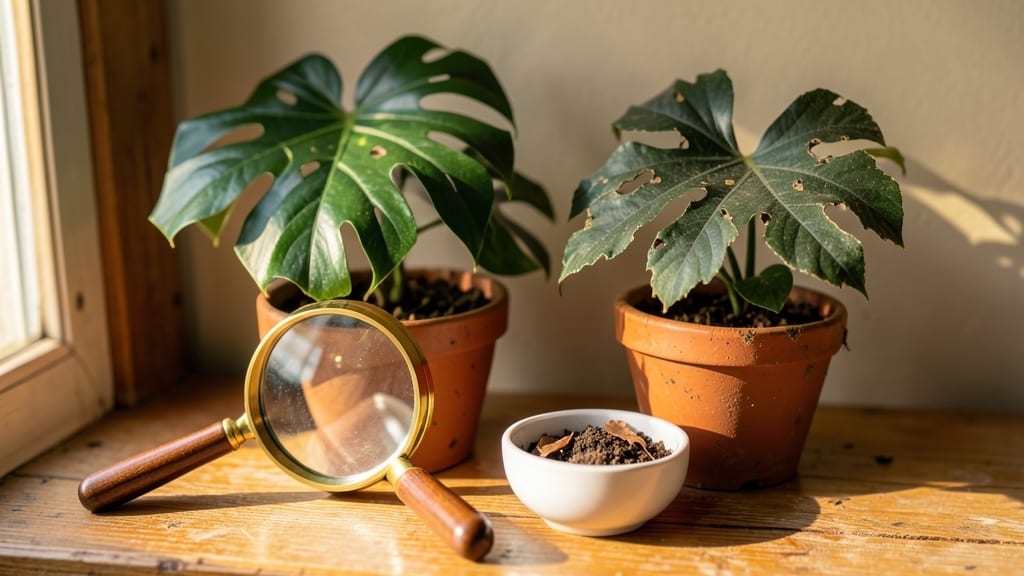
Holes in garden leaves mean your plants are under attack—and you can stop the damage within 48 hours if you act fast. 🌿 I’ve seen entire cabbage plants skeletonized overnight, but the right approach turns the tide quickly.
The key is spotting the culprit first: ragged edges mean slugs, precise holes suggest beetles, while chewed stems point to caterpillars.
Most gardeners panic and grab the first spray, but the fastest fixes are often no-spray solutions like handpicking pests at dusk or setting out beer traps for slugs. I’ve saved entire tomato plants by wrapping them in lightweight row covers the moment I saw the first holes—no chemicals needed.
The secret is acting before the pests multiply.
By tomorrow morning, you’ll have a plan tailored to your garden’s worst offenders. Whether it’s crushing egg masses under leaves or introducing ladybugs to eat aphils, these methods work without harsh chemicals and keep your plants thriving.
The worst part is over once you identify the pest—here’s how to do it right.
Works for vegetables, flowers, and even houseplants—no matter what’s munching on your greens. Let’s get those leaves back to full and healthy in no time.
Root Causes of Leaf Damage
When you spot holes in your garden leaves, it’s rarely a random act of nature—it’s a sign that something is actively feeding on your plants. Understanding the why behind these unsightly marks is the first step to stopping the damage.
Below, we break down the most common culprits, from tiny insects to environmental stressors, with clear explanations of how they create those telltale holes.
Most holes in leaves are the work of hungry insects that literally chew through plant tissue. These pests don’t just nibble—they leave behind jagged edges, skeletonized leaves (where veins remain but tissue is gone), or even complete leaf disappearance. Here’s who’s likely responsible:
- Caterpillars (e.g., tomato hornworms, cabbage loopers): These fuzzy or smooth-bodied larvae are voracious eaters. They often leave behind irregular, ragged holes and may even strip entire leaves overnight. Look for frass (chewed-up leaf debris) near the damage.
- Beetles (e.g., Japanese beetles, flea beetles): Adult beetles create round or shot-like holes—think of tiny bullet wounds in the leaf surface. Flea beetles, in particular, leave a swiss-cheese pattern on young leaves.
- Grubs and Larvae (e.g., cutworms, armyworms): These pests often hide beneath leaves during the day, emerging at night to feed. Their damage is uneven and extensive, sometimes leaving only midribs (leaf veins) intact.
- Aphids and Spider Mites: While these tiny pests usually suck sap (causing yellowing or stippling), severe infestations can lead to small, scattered holes as they weaken the leaf structure.
💡 Pro Tip: Check the underside of leaves and along stems for eggs, larvae, or adult pests. Early detection means faster action!
Not all leaf holes come from chewing pests—some are caused by pathogens that rot or dissolve plant tissue. These infections often start as small spots that expand into larger holes, especially in damp or humid conditions.
- Leaf Spot Fungi (e.g., Alternaria, Septoria): These fungi create brown or black circular lesions with white or gray centers. As the infection spreads, the tissue drops out, leaving holes. Wet foliage accelerates the problem.
- Bacterial Leaf Spot (e.g., Xanthomonas, Pseudomonas): Bacterial infections often produce water-soaked spots that turn yellow, brown, or white. Unlike fungal spots, bacterial holes may have a greasy or translucent appearance.
- Anthracnose: This fungal disease targets young leaves, causing irregular, sunken holes with dark margins. It thrives in shady, humid conditions and is common on plants like tomatoes, peppers, and roses.
🌡️ Key Sign: If holes appear without visible pests and are accompanied by yellowing, wilting, or oozing sap, a pathogen is likely the culprit. Improve airflow and avoid overhead watering to prevent spread.
Sometimes, holes in leaves aren’t caused by living organisms at all. Environmental factors like wind, hail, or extreme heat can physically damage foliage, creating holes that mimic pest activity. Here’s how to tell the difference:
- Wind and Hail Damage: Look for sharp, irregular tears or crushed areas on leaves. Unlike pest damage, these holes often affect multiple plants at once and may include stems or petals.
- Heat Stress or Sun Scorch: Intense sunlight can cause brown, crispy holes, especially on leaves with poor water uptake. This often happens on southern or western exposures during heatwaves.
- Mechanical Injury: Tools, pets, or even birds pecking at insects can create holes. These are usually randomly placed and lack the patterns of pest feeding.
✨ Quick Check: Environmental damage is non-selective—it affects all plants equally. If only a few plants are targeted, pests or disease are more likely.
While insects are the usual suspects, larger wildlife can also contribute to leaf holes. These culprits are less common but can still wreak havoc in a garden:
- Birds: Some birds, like sparrows or finches, peck at leaves to eat insects or build nests. Their damage is large, uneven holes with no frass (since they’re not chewing the leaves themselves).
- Squirrels and Rabbits: Young rabbits or curious squirrels may gnaw on leaves, especially in early spring. Their bites are clean and angular, often targeting tender new growth.
- Slugs and Snails: While they leave slime trails and ragged edges, severe infestations can create irregular holes as they consume entire leaves.
🎯 Prevention Tip: Use physical barriers (like chicken wire) or nighttime patrols to deter larger animals. For birds, reflective tape or decoys can help.
Fixing Leaf Damage Fast
Now that you’ve identified the culprit behind those pesky holes in your garden leaves, it’s time to act! The good news? Most chewing pests can be managed with targeted, practical solutions. Below, we’ve mapped out cause-specific fixes—plus prevention tips to keep your plants thriving long-term.
🔥 Handpick & Remove Pests
For large pests like tomato hornworms, squash bugs, or slugs, manual removal is your fastest win.
- How to do it: 👨🍳 Grab a bucket of soapy water or a pair of gloves and pluck pests off leaves in the early morning (when they’re sluggish).
- Pro tip: 💡 Check the undersides of leaves—many caterpillars hide there!
Drop them into a soapy water solution (1 tbsp dish soap per gallon of water) to kill them instantly.
🍳 Organic Sprays for Soft-Bodied Pests
If you’re dealing with slugs, snails, or aphids, a homemade spray can work wonders. - Recipe: Mix 1 tbsp neem oil + 1 tsp mild liquid soap + 1 quart water in a spray bottle.
Shake well and apply to both sides of leaves in the evening (avoid spraying when bees are active). - Why it works: 🌡️ Neem oil disrupts insects’ feeding and reproduction cycles while soap suffocates them.
🥘 Physical Barriers & Traps
- For slugs/snails: 🍺 Set up beer traps (bury a shallow dish filled with beer near plants—they’ll crawl in and drown).
Or, create a copper tape barrier around pots (the electric charge repels them). - For beetles: 🌙 Use yellow sticky traps (place near plants to catch adult pests before they lay eggs).
🔪 Natural Predators & Companion Planting
Encourage beneficial insects like ladybugs, lacewings, or parasitic wasps (they love munching on caterpillars!).
- Plant these near your garden: 🌿 Marigolds, basil, or dill to attract predators.
- Avoid pesticides (even organic ones) if you want to keep these helpers around!
🌙 Nighttime Salt or Diatomaceous Earth
- Salt method: 🏜️ Sprinkle a ring of coarse salt around plants (slugs avoid it). Warning: Don’t use on edible greens—it can harm plants too.
- Diatomaceous earth (DE): 🔍 Dust lightly around plants (reapply after rain).
It’s non-toxic to humans/pets but deadly to slugs by dehydrating them.
🥗 Copper Wire Protection
Bend copper wire (or tape) into a low ring around pots or vulnerable plants. The mild electric charge repels slugs naturally.
🎯 Iron Phosphide Baits (Last Resort)
For severe infestations, use slug pellets with iron phosphide (safer for pets than metaldehyde). Follow label instructions carefully!
If holes appear after rain or humidity (with yellowing leaves), it might be leaf spot disease or anthracnose.
- 💡 Fix it: Remove infected leaves immediately (don’t compost them—bag and trash).
- Prevent spread: 🌧️ Water plants at the base (not overhead) and space them for airflow.
- Fungicide spray: 🍄 Use a copper-based fungicide or baking soda spray (1 tbsp baking soda + 1 quart water + a drop of soap).
Once you’ve tackled the current problem, stop future damage with these habits: ✅ Regular inspections: 🔍 Check leaves weekly (early morning is best). ✅ Clean up debris: 🧹 Remove fallen leaves and plant waste—pests hide there! ✅ Rotate crops: 🌱 Avoid planting the same family (like tomatoes or squash) in the same spot yearly. ✅ Healthy soil = strong plants: 💪 Use compost and mulch to boost plant resilience. ✅ Plant at the right time: 📅 Some pests target young seedlings—time planting to avoid peak hatch seasons.
Remember: Patience is key! Some methods (like neem oil) take 3–5 days to show results. If pests persist after 2 weeks, re-evaluate your approach—you might need a stronger solution (but always opt for the least toxic first).
Now grab your gloves and get to work—your garden’s about to look hole-free and happy again! 🌿✨
Frequently asked questions
Why do my leaves have holes even though I don’t see any pests?
Holes without visible pests could mean slugs/snails (check for slime trails) or fungal/bacterial infections like anthracnose. Look for yellowing, wilting, or oozing sap—these signs point to pathogens rather than chewing insects. Prune infected leaves immediately and improve airflow to prevent spread.
Can I use coffee grounds to fix leaf holes caused by pests?
Coffee grounds repel some pests (like slugs) but won’t stop chewing insects like caterpillars or beetles. For slugs, sprinkle grounds around plants as a barrier—but for holes from insects, use neem oil spray or handpick pests instead. Always test coffee grounds on a small area first.
How do I tell if holes are from beetles vs. caterpillars?
Beetles create tiny, round holes (like Swiss cheese), while caterpillars leave jagged, irregular edges with frass (chewed debris). Check leaf undersides—caterpillars hide there, while beetles are often visible during the day. Japanese beetles leave skeletonized leaves with only veins remaining.
Will my plants recover if I remove the pests now?
Yes! Plants are resilient—new leaves will grow if you eliminate the pest source and improve care. Focus on removing eggs/larvae (check leaf undersides) and use row covers for vulnerable plants. For severe damage, prune affected leaves to redirect energy to healthy growth.
Are there any plants that naturally repel hole-causing pests?
Plant marigolds, basil, or dill near vulnerable crops—they attract beneficial predators like ladybugs and deter pests. For slugs, try garlic or chives—their strong scent keeps them away. Companion planting is a chemical-free way to protect your garden long-term.