
Pests
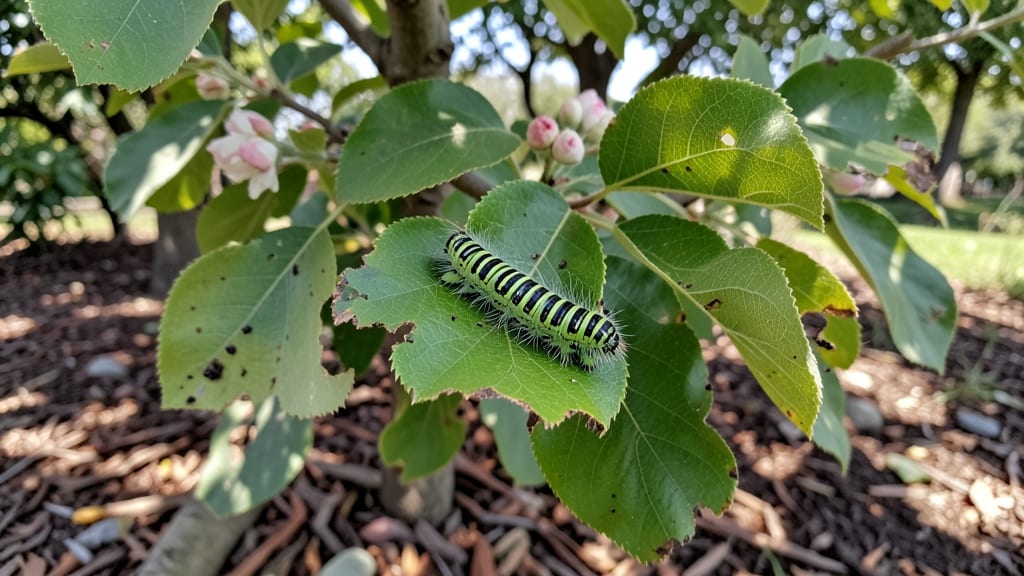
When your garden pests that eat leaves turn thriving plants into skeletons overnight, you’re not just dealing with a cosmetic problem—you’re facing an emergency that can strip your garden bare in days. 🌿 I’ve watched caterpillars devour a tomato plant in under a week. week, and slugs turn my hosta leaves into lace.
The good news? Most leaf-munchers leave telltale signs, and knowing their habits lets you stop them before they win.
Caterpillars chew large, irregular holes, often leaving behind silky webs or frass (their poop). Beetles take precise, round bites, while slugs and snails leave shiny trails and ragged edges. Spider mites create stippled yellowing, barely visible to the naked eye.
The key is catching them early—before your plants look like Swiss cheese. I've saved entire plantings by acting within 24 hours of first noticing damage.
You'll learn to identify these pests by their damage patterns and physical traits, then use targeted organic controls that actually work. No more guessing which spray to use or whether those eggs on the underside of leaves will hatch into an army.
The right approach depends on the pest, but most solutions require just 10 minutes of your time and simple supplies you likely already have.
This isn't about spraying everything in sight—it's about smart prevention and quick action. We'll cover what to do when you find them, how to keep them from coming back, and which plants are most vulnerable so you can protect your favorites first.
Your garden will stay lush and productive when you know what's eating your leaves and how to stop it.
The hidden triggers behind leaf munching
When your once-lush garden starts looking like a buffet for hungry insects, it’s not just random bad luck—it’s a mix of ecological signals, plant vulnerabilities, and environmental cues that invite leaf-eating pests.
Understanding why these critters target your greenery is the first step to outsmarting them. Let’s break down the science—and the sneaky strategies—behind their leafy feasts.
Leaf-eating pests don’t just attack any plant—they’re drawn to nutrient-rich, tender, or stressed foliage. Here’s why your garden might be a five-star restaurant for them:
- High-Nitrogen Soil: Plants grown in soil rich in nitrogen produce softer, faster-growing leaves—a delicacy for caterpillars, beetles, and aphids. Think of it like a steakhouse vs. a salad bar: pests prefer the juicy, protein-packed menu. Test your soil and adjust fertilizers to balance nitrogen with phosphorus and potassium.
- Young or New Growth: New leaves are less tough and more palatable because they haven’t yet developed defensive compounds (like tannins or resins). Pests like Japanese beetles and loopers zero in on these tender morsels first.
- Weakened Defenses: Plants under stress—from drought, overwatering, or disease—can’t produce as many natural repellents. For example, tomato hornworms avoid healthy tomato plants but devour those weakened by blight or root rot.
Pro Tip: 💡 Mulch around plants to reduce soil temperature swings, which helps foliage harden naturally. A thick layer of straw or wood chips also deters pests by making it harder for them to lay eggs near the base.
Pests don’t just show up—they’re triggered by specific weather patterns and seasonal changes. Here’s how Mother Nature sets the table for leaf-munching invaders:
| Season | Pest Activity Peak | Why It Happens |
|---|---|---|
| Spring | Cabbage worms, aphids, slugs | Warm, moist soil speeds up egg hatching, and new growth is abundant. Aphids also thrive in cool nights and warm days. |
| Summer | Japanese beetles, tomato hornworms | High humidity and consistent warmth create ideal breeding conditions. Beetles, for example, emerge when soil temps hit 60°F+. |
| Fall | Caterpillars, cutworms | Cooler temps slow plant growth, making leaves easier to digest. Pests also seek shelter in leaf litter before winter. |
Action Step: ⏰ Monitor your garden’s microclimate—shady, damp areas attract slugs, while sunny spots lure beetles. Use row covers in early spring to block egg-laying pests before they start.
Sometimes, the problem isn’t nature—it’s us. Unintentional gardening practices can turn your yard into a pest paradise. Here’s how:
- Overwatering: Soft, squishy leaves are a magnet for slugs and snails. Excess moisture also washes away beneficial microbes that help plants fend off pests.
- Ignoring Debris: Leaves, mulch, and plant clippings provide hiding spots for eggs and adult pests. For example, tent caterpillars overwinter in leaf litter.
- Monoculture Planting: Growing the same plants in large blocks (like a single row of roses) makes it easier for pests to find and spread. Diversity confuses them!
- Skipping Beneficial Predators: Without natural enemies like ladybugs, lacewings, or birds, pests multiply unchecked. Pesticides kill both pests AND their predators, creating a vacuum.
Fix It: 🌿 Rotate crops and plant companion flowers (like marigolds or basil) to disrupt pest life cycles. Remove plant debris in fall and avoid late-season nitrogen to toughen up foliage before winter.
Now that you know why your garden is a leaf-eating buffet, the next step is action. Stay tuned for targeted solutions to starve out these pests—without starving your plants!
How to Stop Leaf-Munching Pests
Now that you know what’s devouring your plants, it’s time to take action! The good news? Most leaf-eating pests can be managed with a mix of preventive strategies and targeted fixes.
Below, we’ll match common causes to simple, effective solutions—so you can protect your garden without harsh chemicals (unless absolutely necessary).
Fix: Handpick, disrupt life cycles, or use natural predators.
- 🔥 Manual Removal (Best for Small Infestations)
- Wear gloves and pluck caterpillars off leaves early in the morning when they’re sluggish.
- Drop them into soapy water (1 tbsp dish soap per gallon) to kill them instantly.
- Check the undersides of leaves—many hide there!
- 🍳 Disrupt Their Habitat
- Remove egg masses (look for tiny clusters on leaves) with a stiff brush or your fingernails.
- Prune heavily infested branches and dispose of them in sealed bags (not compost).
- Install pheromone traps (like for tomato hornworms) to lure adults away from laying eggs.
- 👨🍳 Introduce Natural Predators - Parasitic wasps (like Cotesia species) lay eggs inside caterpillars—their larvae then eat the pest from within.
Buy them online or attract them with dill, fennel, or parsley. - Birds love caterpillars—hang a bird feeder or install a bat house to encourage nighttime pest control. - Release beneficial nematodes (Heterorhabditis bacteriophora) into the soil—they seek out and kill caterpillar larvae.
- 🌿 Organic Sprays (Last Resort) - Bt (Bacillus thuringiensis): A bacteria that’s safe for humans and pets but deadly to caterpillars.
Spray on leaves when young larvae are present. - Neem oil spray (1 tbsp neem oil + 1 tsp mild soap per quart of water) disrupts their feeding and growth.
💡 Pro Tip: If you see frass (caterpillar poop) on leaves, act fast—they multiply quickly!
Fix: Blast them off, introduce predators, or use soapy water.
- 🔥 High-Pressure Water Spray
- A strong stream from a hose (or even a spray bottle) can knock aphids off plants without harming the foliage.
- Do this early in the day so leaves dry quickly and prevent fungal growth.
- 🍳 Soapy Water Solution
- Mix 1 tsp mild castile soap or insecticidal soap per quart of water in a spray bottle.
- Spray directly on clusters of aphids until they slide off. Reapply every 3–5 days.
- 👨🍳 Attract Ladybugs & Lacewings
- These voracious aphid eaters can be bought online or attracted with dandelions, yarrow, or marigolds.
- Avoid pesticides—they’ll kill the beneficial bugs too!
- 🌿 Neem Oil or Horticultural Oil
- Spray neem oil (1% solution) to smother aphids and disrupt their life cycle.
- Best applied in the evening to avoid harming bees.
💡 Pro Tip: Ants farming aphids? Use borax bait stations or diatomaceous earth around the base of plants to deter them.
Fix: Barriers, traps, and manual removal.
- 🔥 Copper Barriers (Most Effective)
- Copper tape or wire creates a small electric shock when slugs touch it—they hate it!
- Bury 1–2 inches deep around pots or garden beds.
- 🍳 Beer Traps (Simple & Fun)
- Bury a shallow dish (like a plastic lid) filled with beer near plants.
- Slugs crawl in and drown—empty and refill every 2–3 days.
- 👨🍳 Manual Pickup at Night
- Go out with a flashlight after dark—slugs are most active then.
- Drop them in soapy water or relocate them far from your garden.
- 🌿 Natural Repellents
- Crushed eggshells, coffee grounds, or diatomaceous earth create a physical barrier they avoid.
- Plant slug-resistant species like lavender, thyme, or geraniums as borders.
💡 Pro Tip: Avoid salt—it can harm soil and plants over time!
Fix: Handpick, use traps, or apply organic sprays.
- 🔥 Handpick & Drop in Soapy Water
- Grab them by the hind wings (don’t crush—they release pheromones attracting more).
- Drop into a bucket of soapy water immediately.
- 🍳 Milky Spore or Beneficial Nematodes
- Milky spore bacteria (Paenibacillus popilliae) targets Japanese beetle grubs in the soil—apply in early summer.
- Nematodes (Steinernema carpocapsae) seek out and kill grubs—water them in evening or early morning.
- 👨🍳 Pheromone Traps (Use with Caution!)
- Traps can attract MORE beetles if placed near your garden—use them far away (at least 30 feet).
- Check traps daily and dispose of beetles in soapy water.
- 🌿 Kaolin Clay or Neem Oil
- Surround WP (kaolin clay) coats leaves, making them unappetizing to beetles.
- Neem oil spray disrupts their feeding and reproduction.
💡 Pro Tip: Plant trap crops like roses or grapes to lure beetles away from veggies!
- 🔥 Keep Your Garden Healthy
- Strong plants resist pests better—ensure proper watering, sunlight, and fertilization.
- Rotate crops annually to disrupt pest life cycles.
- 🍳 Encourage Beneficial Insects
- Plant native flowers (like asters, coneflowers, or milkweed) to attract ladybugs, lacewings, and parasitic wasps.
- 👨🍳 Mulch Strategically
- Straw or wood chips help retain moisture and reduce slug habitats while keeping soil healthy.
- 🌿 Inspect Regularly
- Check new plants for pests before bringing them home.
- Remove fallen leaves/debris where pests hide.
🎯 Final Thought: Most leaf-eating pests can be managed without chemicals—it just takes consistency and early action. Start with manual removal and natural predators, then escalate if needed. Your garden will thank you! 🌿💚
Frequently asked questions
What are the most common signs that leaf-eating pests are in my garden?
Look for irregular holes (caterpillars), round notches (beetles), or shiny slime trails (slugs). Spider mites cause stippled yellowing, while aphids leave sticky residue on leaves. Check leaf undersides—many pests hide there!
Can I use coffee grounds to repel slugs and snails?
Yes! Sprinkle used coffee grounds around plants to create a natural barrier—slugs dislike the texture. For best results, reapply after rain. Combine with copper tape for extra protection.
Will neem oil work on all leaf-eating pests?
Neem oil is effective against soft-bodied pests (aphids, mites, caterpillars) but won't kill hard-shelled beetles. For beetles, use kaolin clay or handpick them. Always apply in the evening to avoid harming bees.
How often should I check my plants for early signs of damage?
Inspect your garden 2-3 times weekly, focusing on new growth and leaf undersides. Early detection gives you the best chance to stop pests before they spread. Set a reminder—consistency is key!
Are there any plants that naturally repel leaf-eating pests?
Yes! Marigolds, basil, lavender, and thyme deter many pests with their strong scents. Plant them near vulnerable crops like tomatoes or cabbage. These companion plants also attract beneficial insects.