
Tools
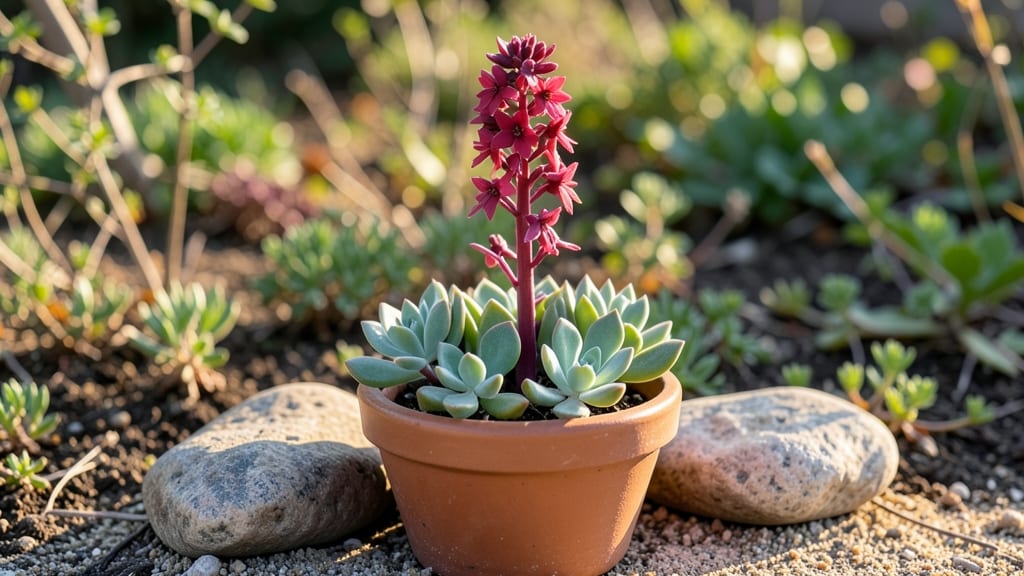
A dragonfly rock garden transforms your backyard into a shimmering sanctuary where nature’s tiny acrobats linger all season long. 🌿 I stumbled upon this idea after watching dragonflies dart over a neighbor’s mossy boulder garden—and realized how effortlessly they turned a simple space into a living fairy tale.
The secret lies in pairing rugged rocks with water features that call to these delicate pollinators, while letting wildflowers and ferns soften the edges.
You’ll need smooth river rocks in varying sizes, a shallow water dish or tiny pond (even a 2-foot-wide basin works), and plants that thrive in damp but well-drained soil—like astilbes, ferns, and dragonfly-attracting flowers such as bee balm or swamp milkweed.
Add a few painted stones or ceramic dragonflies perched on rocks for that whimsical touch, and suddenly, your garden feels like a secret hideaway. The best part? Dragonflies will visit within weeks, and your space becomes a magnet for other pollinators too.
Imagine stepping into a garden where sunlight dances on water, dragonflies skitter just above the rocks, and the air hums with life.
The key is balancing the rugged charm of rocks with the delicate movement of water—think tiny cascades or a simple bubbling fountain—and letting the plants fill in the gaps with lush, textured greenery. Even a small corner can become this kind of haven with the right layout.
This design works in partial shade or sun, making it adaptable to most yards. Start small if needed—just a few rocks, a water feature, and a single dragonfly statue can spark the magic.
The goal isn’t perfection; it’s creating a space that feels alive and inviting, where every visit reveals something new.
📚 In This Guide
- What you need
- Instructions
- Tips and common mistakes
- Wrapping up and next steps
What you need
- ● Rocks & Stones: 10–20 flat, smooth river rocks (6–12 inches in diameter) for the base
- ● 5–10 irregularly shaped rocks (3–8 inches) for texture and structure
- ○ Optional: 2–3 larger boulders (12+ inches) for anchoring
- ● Water Feature Components: 1 small solar-powered pump (1–3 watts, submersible)
- ● 1–2 flexible water tubing (½-inch diameter, 3–6 feet long)
- ● 1 small waterfall or drip emitter (adjustable flow rate)
- ● Soil & Landscaping: 2–3 bags of pea gravel (for drainage, ~50 lbs total)
- ● 1 bag of potting soil or aquatic plant mix
- ● Tools: Garden trowel or small shovel
- ● Level or straightedge (for even placement)
- ● Measuring tape
- ● Gloves (for handling rocks and soil)
- ● Native aquatic plants (e.g., water lilies, pickerelweed, or sedges) to enhance pollinator appeal
- ● Small LED solar lights for evening ambiance
- ● Decorative moss or small pebbles for a natural finish
- ● A shallow basin or pre-formed pond liner (if expanding beyond a simple feature)
How to build a pollinator-friendly dragonfly rock garden
Here’s how to create a magical, low-maintenance water feature that transforms your yard into a dragonfly haven.
🪴 Step 1: Select and Arrange Your Rocks
Start by choosing rocks of varying sizes—flat stones for ledges, rounded boulders for texture, and smooth river rocks for water flow. Arrange them in a shallow, natural basin shape to create a small pond or waterfall effect. I like to stack the largest rocks first as a foundation, then fill gaps with smaller stones to mimic a wild, organic look.
Leave some open spaces between rocks—these become perfect perches for dragonflies and resting spots for pollinators. Aim for a 12-18 inch deep basin to hold water while keeping it shallow enough for dragonflies to land. Test the stability by gently pressing down on the rocks; if they shift, add more support stones underneath.
💧 Step 2: Install a Gentle Water Source
Place your small solar-powered fountain or battery-operated pump near the center of the rock arrangement. If using a fountain, position it so water sprays 3-6 inches high—just enough to create a soft, inviting sound without disturbing dragonflies. For a waterfall effect, angle the pump upward so water cascades over a flat rock ledge into the basin below.
Use the flexible tubing to connect the pump to the water source, securing it with zip ties every 6 inches to prevent kinks. Run the tubing along the rocks so it’s hidden but accessible for adjustments. Test the flow before finalizing the rock placement—you want a steady, quiet trickle that mimics natural streams.
☀️ Step 3: Add Water and Plant Pollinator-Friendly Flora
Fill the basin with 4-6 gallons of dechlorinated water (let tap water sit for 24 hours or use a water conditioner). Add the water hyacinth or floating aquatic plants to cover 30-50% of the surface—this provides shade and shelter for dragonfly nymphs while keeping the water oxygenated. Avoid overcrowding; aim for 2-3 plants in a 12-inch diameter basin.
Surround the rocks with native pollinator plants like milkweed, coneflowers, or bee balm. Plant them 6-12 inches away from the water’s edge so roots don’t erode the rock structure. Dragonflies love these flowers for nectar, and the bright blooms add whimsy to your garden. Water the soil deeply after planting to help roots establish before the rocks settle.
✂️ Step 4: Maintain and Enhance the Habitat
Check the water level weekly and top off with dechlorinated water as needed—dragonflies need 2-3 inches of water to breed. Trim any overgrown aquatic plants to maintain 50% surface coverage, and remove debris to prevent mosquito breeding. If using a solar pump, clean the panel monthly to ensure consistent flow.
Every 2-3 months, refresh the rocks by gently rearranging them to prevent algae buildup. Add a few new native plants each season to keep the garden thriving. Dragonflies will start visiting within 2-4 weeks, and you’ll notice more pollinators like bees and butterflies too. The key is balance—keep the water clean, the plants vibrant, and the rocks stable.
Tips & tricks for perfect dragonfly rock gardens
A few clever strategies that'll make your dragonfly haven even more inviting—and easier to maintain.
Rock Selection Wisdom: When choosing rocks, prioritize smooth, flat surfaces for dragonflies to land on—think of them as nature's built-in perches. I like to include a few slightly uneven rocks too, as they create microhabitats where dragonflies can rest out of direct wind. For the 12-18 inch deep basin, look for rocks with natural hollows that can hold water while still allowing sunlight to reach the bottom—this helps prevent algae buildup.
Water Flow Technique: For that perfect 3-6 inch high spray, position your solar-powered fountain slightly off-center rather than dead center. This creates a more natural, asymmetrical flow that dragonflies find more appealing. If you're creating a waterfall effect, angle the pump so water cascades over a flat rock ledge—this mimics natural streams and provides excellent landing spots for dragonflies below the flow.
Plant Placement Strategy: When arranging your native pollinator plants around the rocks, create a "flower ring" about 6-12 inches from the water's edge. This distance prevents root erosion while giving dragonflies easy access to nectar. I like to intersperse taller plants like milkweed with shorter ones like bee balm to create visual layers that attract different pollinators. The 30-50% surface coverage of floating plants in the water creates perfect shade spots for dragonfly nymphs to develop.
Maintenance Shortcuts: To make your weekly water checks easier, place a small, clear measuring cup near your garden. This lets you quickly see how much water to add to maintain that 2-3 inch depth dragonflies need. For the monthly solar panel cleaning, I keep a small brush and microfiber cloth in a zippered pouch near the garden—it takes just 2 minutes to wipe down the panel and keep your water feature running smoothly.
Pro Tips for Dragonfly Rock Garden
- A few clever strategies that'll make your dragonfly haven even more inviting—and easier to maintain.
- Rock Selection Wisdom: When choosing rocks, prioritize smooth, flat surfaces for dragonflies to land on—think of them as nature's built-in perches.
- Water Flow Technique: For that perfect 3-6 inch high spray, position your solar-powered fountain slightly off-center rather than dead center.
Frequently asked questions
What’s the best time of year to build a dragonfly rock garden?
The ideal time is early spring or fall. Spring lets you establish plants before summer heat, while fall avoids drought stress. If you’re in a mild climate, late winter works too—just ensure the soil isn’t frozen. Avoid peak summer unless you’re prepared for extra watering and shade adjustments.
How often should I water a dragonfly rock garden?
Watering depends on your climate, but aim for 1–2 times per week during dry spells. Dragonflies love shallow, still water, so keep the feature topped off (but not overflowing). Use a drip system or soaker hose to avoid disturbing rocks. In rainy seasons, check weekly—stagnant water can breed mosquitoes!
Can I use regular rocks instead of smooth river stones?
Yes! While smooth river stones look polished and professional, rougher rocks (like slate or granite) work too. Just ensure they’re non-toxic and stable. Avoid sharp edges that could harm pollinators. For a budget-friendly twist, hunt for free rocks at local creeks or construction sites—just clean them thoroughly first.
How do I keep mosquitoes away from the water feature?
Dragonflies are natural mosquito predators, but you can prevent breeding too. Add a small solar-powered fountain or bubbler to keep water moving. Place a few mosquito dunks (Bti tablets) in the water—they’re safe for wildlife. Also, trim nearby vegetation to reduce resting spots for adult mosquitoes.
What if dragonflies don’t visit my garden?
Patience and the right conditions are key! Ensure your garden has:
- Shallow, still water (3–6 inches deep).
- Native plants like irises, sedges, or asters for shelter.
- Sunlight (partial shade is fine).
Wrapping up and next steps
A dragonfly rock garden isn’t just a stunning water feature—it’s a thriving ecosystem that brings joy, tranquility, and life to your outdoor space. 🌿 By blending natural elements with pollinator-friendly design, you’ve created a haven that supports local wildlife while adding beauty to your yard.
Whether you’re a seasoned gardener or just starting, this project proves that small changes can make a big impact!
Ready to take the next step? Expand your garden further by adding native plants, a small pond, or even a butterfly-friendly companion garden. Your dragonfly rock garden is just the beginning—happy creating! ✨