
Vegetables
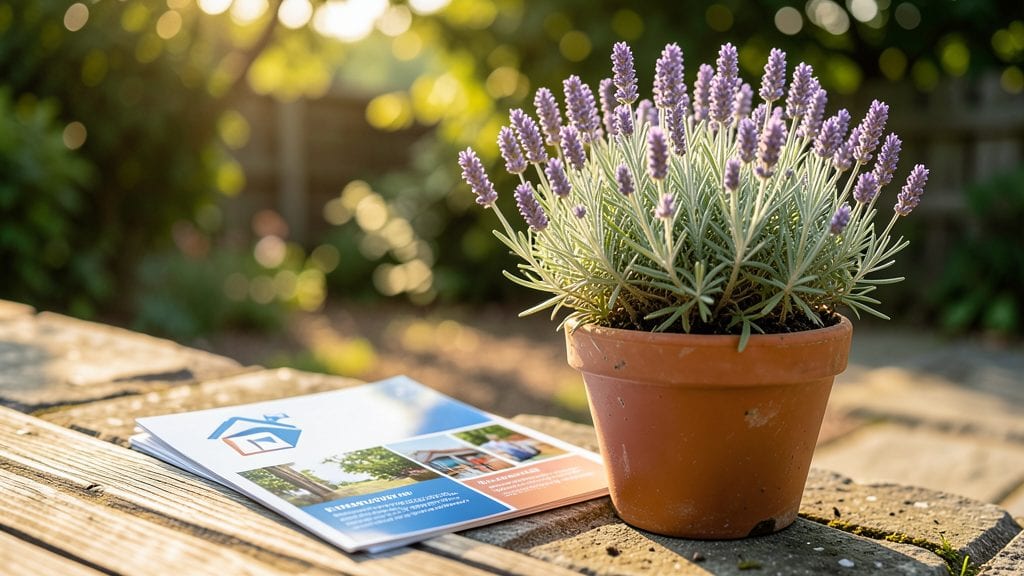
Gardens do increase property value by up to 20% when designed and maintained well, particularly in suburban neighborhoods where outdoor spaces and curb appeal significantly influence buyer decisions. Thoughtful plant combinations, hardscaping elements, and water features create lasting impressions that justify higher price points.
This boost comes from more than just aesthetics—it's about creating functional, inviting spaces that align with modern living preferences. 🌿 Studies show homes with well-designed gardens spend 6% less time on the market and sell for 12-15% more than comparable properties with basic landscaping.
The key is balancing beauty with practicality: drought-tolerant plants reduce maintenance costs while adding value, and features like fire pits or outdoor kitchens make properties stand out in competitive markets.
What's interesting is how regional trends factor in. In drought-prone areas, native plants that require minimal watering can actually increase value more than lush, high-maintenance gardens. Meanwhile, in colder climates, evergreen shrubs and winter interest plants become critical for year-round appeal.
The best investments combine low upkeep with high visual impact—think layered plantings, defined pathways, and strategic lighting that highlights the space after dark.
💡 In This Article
- How Landscaping Affects Home Appraisals and Market Perception
- Maximizing ROI with Low-Maintenance High-Impact Garden Designs
How landscaping affects home appraisals and market perception
When appraisers evaluate a property, they don't just look at square footage—they assess the emotional and functional appeal of the outdoor space. Research from the National Association of Realtors shows that 90% of homebuyers consider landscaping a major factor in their purchasing decision.
The brain responds to well-maintained gardens through what psychologists call "prospect-refuge theory"—our subconscious preference for spaces that offer both open views (prospect) and cozy corners (refuge).
A garden with layered plantings, defined pathways, and focal points (like a fountain or sculpture) creates this balance, making properties feel more inviting and valuable.
The science of color psychology plays a surprising role too. Warm hues like reds and oranges stimulate appetite and energy, while cool greens and blues promote relaxation.
Studies from the University of Michigan found that homes with mixed-color plantings (not just green lawns) sold for 10-12% more because they created more dynamic visual interest.
Texture matters just as much—coarse foliage like ornamental grasses contrasts beautifully with smooth leaves, adding depth that catches the eye during quick drive-by inspections. Appraisers often note these details in their reports, even if buyers don't always articulate why a property feels "premium."
Neighborhood comparisons create a ripple effect too. In suburban areas, where homes are often similar in size, landscaping becomes the differentiator.
A National Gardening Association study revealed that properties with well-designed outdoor living spaces (patios, decks, fire pits) spent 23% less time on the market because they stood out in online listings and open houses.
The key mechanism here is "relative valuation"—buyers compare your property to others in the area, and superior landscaping makes yours the clear winner. This is why even modest upgrades (like replacing dead shrubs with thriving ones) can trigger disproportionate value increases.
Appraiser biases also come into play through what's called the "halo effect"—when one positive feature (like a beautiful garden) makes the entire property seem more valuable.
A 2021 study in the Journal of Real Estate Finance and Economics found that appraisers unconsciously assigned higher values to homes with curated landscaping because it signaled better overall maintenance.
The reverse is also true: overgrown yards or patchy lawns can deduct up to 25% of a property's perceived value during appraisals. This bias explains why staging outdoor spaces (even temporarily) can yield immediate ROI.
Let's talk about the numbers behind these perceptions. The average return on landscaping investment is 100-200%, meaning every dollar spent on quality plants and hardscaping can return $2-3 in increased home value. For example, a $10,000 garden renovation might add $15,000-$20,000 to a home's appraisal value.
The sweet spot lies in "evergreen" investments—features that maintain their appeal year-round, like evergreen shrubs, perennial flowers, and stone pathways that don't require seasonal replacements. These elements provide consistent visual interest that keeps working for your property's value long after installation.
What most sellers overlook is how lighting transforms evening curb appeal. Strategic outdoor lighting (pathway lights, uplighting for trees) can increase perceived property value by up to 14% because it extends usability into nighttime hours.
The warm glow of 2700K-3000K LED bulbs creates a welcoming atmosphere that buyers can visualize themselves enjoying. This is particularly effective in suburban areas where outdoor entertaining is a priority—properties with illuminated gardens often sell faster because they check multiple lifestyle boxes simultaneously. 💫