
Size
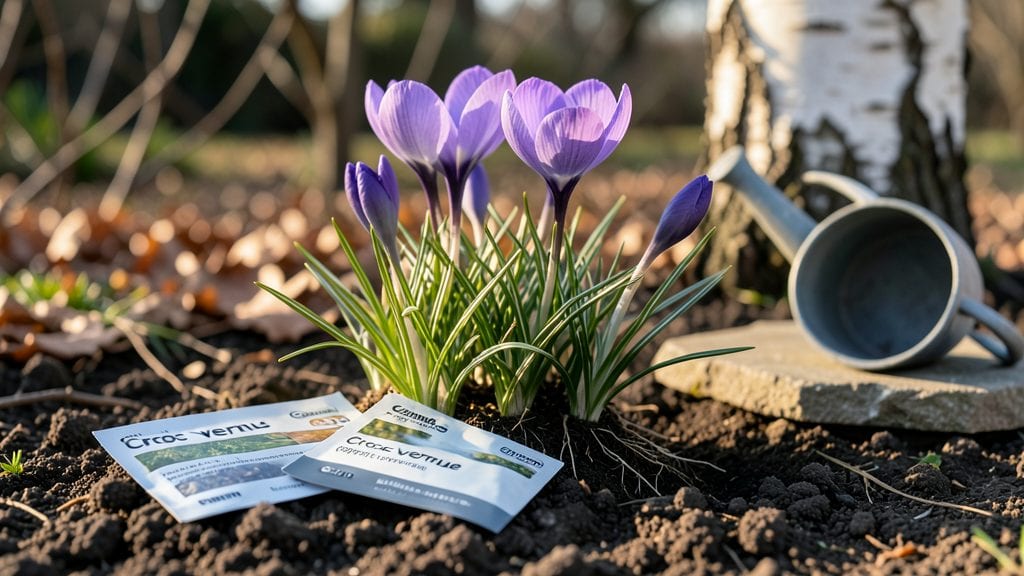
Grow a garden bursting with early spring color by planting crocus seed—just brace yourself for a slower, steadier approach than bulbs. 🌱 The payoff? Tiny purple, white, or yellow blooms pushing through snow, often before daffodils even think about waking up.
My first attempt took two years to flower, but that first sight of those delicate petals made it worth the wait.
You’ll need fresh seeds (viability drops fast—look for ones labeled "certified" or from a reputable seller), a shallow tray with drainage holes, and a mix of 50% potting soil and 50% perlite or sand to prevent rot.
Plant seeds just ¼ inch deep in late summer or early fall, since crocus seeds need cold stratification to germinate. A sunny windowsill or grow light keeps them happy during the dark months.
Germination can take 6-12 months, and the first year will mostly be leaves—no flowers. But by year two, if you’ve kept the soil consistently moist (not soggy) and in full sun to partial shade, you’ll start seeing those familiar crocus shapes.
The real magic happens when they multiply: one plant can become dozens over time, filling gaps in rock gardens or between stepping stones.
Fair warning: most gardeners skip seeds and buy bulbs, but there’s something deeply satisfying about nurturing a crocus from a speck of seed to a blooming plant.
If you’re willing to wait, these early bloomers will reward you with years of low-maintenance color—and a garden that wakes up before the rest of the world. Here’s how to make it happen without losing hope along the way.
📚 In This Guide
- What you need
- Instructions
- Tips and common mistakes
- Wrapping up and next steps
What you need
- ● Crocus seeds: Choose high-quality, fresh seeds (1–2 packets, ~50–100 seeds per packet). Look for varieties like Crocus vernus (Dutch crocus) or Crocus tommasinianus (tommasini crocus) for vibrant colors.
- ● Well-draining potting mix: A lightweight, sterile mix (e.g., 50% peat moss, 30% perlite, 20% vermiculite) for seed-starting trays. 1–2 cubic feet is ideal for a small batch.
- ● Seed-starting trays or small pots: Biodegradable or plastic cell trays (2–3 inches deep) with drainage holes. 50+ cells if sowing densely.
- ● Grow lights or sunny windowsill: A full-spectrum LED grow light (12–16 hours/day) or a south-facing window with 6+ hours of sunlight.
- ● Spray bottle: For gentle watering to avoid disturbing seeds.
- ○ Fine-tip tweezers: For precise seed placement (optional but helpful!).
- ○ Heat mat (optional): A seedling heat mat (70–75°F) to speed up germination (especially in cool climates).
- ● Humidity dome or plastic wrap: To retain moisture until germination (remove once sprouts appear).
- ● Fertilizer (diluted): A balanced liquid fertilizer (5-5-5 NPK) at half-strength for seedlings after 4–6 weeks.
- ● Transplanting tools: Small hand trowel or spoon for relocating seedlings to garden beds.
Step-by-step instructions for growing crocus from seeds
Here's how to coax those delicate early blooms from tiny seeds—patience and cool temperatures are your allies.
🌱 Step 1: Prepare the Seed Starting Mix and Containers
Fill small 2-inch deep pots with a well-draining mix of 50% sterile potting soil and 50% perlite. Crocus seeds need excellent drainage—waterlogged soil will rot them before they sprout. I use shallow trays with drainage holes to prevent soggy bottoms.
Moisten the mix lightly until it's damp but not wet, then scatter seeds on the surface. Press them gently into the soil—just enough to cover them with ¼ inch of mix. Don't bury them deeper; crocus seeds need light to germinate. Label each pot with the variety and date.
💧 Step 2: Provide Cool Moisture and Indirect Light
Place the pots in a cool, shaded area (around 60-65°F) with bright, indirect light. A north-facing windowsill or under a grow light works best. Crocus seeds need consistent moisture, so mist the soil daily to keep it evenly damp—never soggy.
Cover the trays loosely with plastic wrap to retain humidity, but remove it daily for 10 minutes to prevent mold. Germination can take 4-6 weeks, so resist the urge to check constantly. You'll see tiny green shoots first, followed by the first true leaves.
☀️ Step 3: Harden Off Seedlings Before Transplanting
Once seedlings have 2-3 true leaves (not just the initial cotyledons), start hardening them off. Move the pots to a sheltered outdoor spot for 1-2 hours the first day, gradually increasing exposure over 10-14 days. Crocus seedlings are delicate—too much sun or wind will stress them.
Choose a transplant date after the last frost when soil temperatures are below 60°F. Dig small holes in well-draining garden soil or containers, spacing them 2-3 inches apart. Gently remove seedlings from their pots and place them in the holes, covering roots with soil but leaving the crown exposed.
⏰ Step 4: Maintain Cool Conditions for First Year
Water lightly after transplanting, keeping the soil consistently moist but not wet. Crocus plants need full sun to partial shade—too much direct sun in their first year can scorch the leaves. Mulch lightly with 1 inch of straw to retain moisture and regulate soil temperature.
In their first year, crocus seedlings focus on root and leaf growth rather than blooming. You won't see flowers until year two or three, but the grass-like foliage is a great sign of healthy growth. Fertilize lightly in early spring with a balanced 10-10-10 fertilizer to encourage strong development.
🌿 Step 5: Overwinter for Next Year's Blooms
After the foliage yellows in late spring, let it die back naturally—this stores energy for next year's flowers. In fall, mulch again with 1-2 inches of straw or leaves to protect the bulbs from freezing temperatures. Crocus plants thrive in USDA zones 3-8 and need a cold period to trigger blooming.
With patience, your crocus seedlings will reward you with vibrant purple, white, or yellow blooms in early spring. The key is consistency—cool temperatures, good drainage, and gentle care. Once established, they'll naturalize and multiply, creating a stunning carpet of color year after year.
Tips & tricks for perfect crocus seed growth
Growing crocus from seeds requires precision—here's how to avoid common pitfalls and maximize success.
Soil Mix Matters: The 50% sterile potting soil and 50% perlite ratio is critical for drainage. If you're worried about mold, add a sprinkle of cinnamon to the mix—it naturally prevents fungal growth while seeds germinate. For larger batches, consider using seed-starting mix with added perlite for even better results.
Germination Timing: Those 4-6 weeks until germination can feel endless, but consistency is key. Set a reminder to mist daily—crocus seeds need steady moisture without being soggy. If your home is dry, place a tray of water near the pots to increase humidity without direct contact with the soil.
Harden Off Gradually: The 1-2 hour to 10-14 day hardening process is where many beginners rush. Start with just 30 minutes on day one if your seedlings look stressed. Watch for wilting—this is your cue to extend exposure more slowly. A sheltered porch or under a tree provides perfect protection from harsh elements.
Transplanting Wisdom: When transplanting after last frost, wait until soil temperatures are consistently below 60°F. I've made the mistake of transplanting too early—my seedlings wilted under unexpected warm spells. Test soil temperature with a thermometer for foolproof timing. The 2-3 inch spacing gives roots room to establish without competing for nutrients.
Pro Tips for Crocus Seed Grow A Garden
- Growing crocus from seeds requires precision—here's how to avoid common pitfalls and maximize success.
- Soil Mix Matters: The 50% sterile potting soil and 50% perlite ratio is critical for drainage.
- Germination Timing: Those 4-6 weeks until germination can feel endless, but consistency is key.
Frequently asked questions
Got questions about growing crocus from seed? You’re not alone! Here are answers to the most common queries—plus a few pro tips to set you up for success.
How long does it take for crocus seeds to germinate and bloom?
Patience is key! Crocus seeds typically take 4–6 weeks to germinate, depending on soil temperature and moisture. However, blooms won’t appear until the second year—often in early spring. For instant color, consider planting potted crocus bulbs alongside your seeds.
What’s the best time of year to plant crocus seeds?
Plant seeds in late summer or early fall (August–October in most climates) for optimal results. This mimics their natural dormancy period and ensures strong root development before winter. Avoid planting in freezing ground—wait until soil temps drop below 60°F (15°C).
Can I grow crocus seeds indoors before transplanting?
Yes! Start seeds indoors in well-draining pots 6–8 weeks before your last frost date. Use a mix of peat moss and perlite, keep soil moist, and place under grow lights (12–14 hours/day). Harden off seedlings for 1–2 weeks before moving them outside in fall.
Why aren’t my crocus seeds sprouting? Troubleshooting tips.
Seeds may fail to sprout due to dampness, poor drainage, or incorrect timing. Check for:
- Overwatering: Seeds need moisture but can rot in soggy soil. Water lightly and keep soil barely damp.
- Low light: Crocus seeds need bright, indirect light (e.g., a sunny windowsill or grow light).
- Old seeds: Crocus seeds lose viability quickly—use fresh seeds (<1 year old) for best results.
Are there easy alternatives to growing crocus from seed?
If seeds seem tricky, try:
- Bulbs: Plant pre-grown crocus corms in fall for instant blooms next spring.
- Dividing existing plants: Dig up mature crocus clumps in summer, separate the corms, and replant.
- Seed mixes: Opt for “spring ephemeral” mixes that include crocus alongside other early bloomers like snowdrops.
Wrapping up and next steps
Growing crocus from seed is a rewarding way to bring early spring color to even the smallest gardens—no green thumb required! 🌱 With patience and the right conditions, you’ll soon enjoy delicate blooms that signal the season’s renewal.
Start small, experiment with varieties, and let your confidence grow alongside your garden.
Ready to take the next step? Plant your first batch of seeds this fall and watch your tiny blooms transform into a vibrant spring spectacle. Happy gardening!