
Flowers
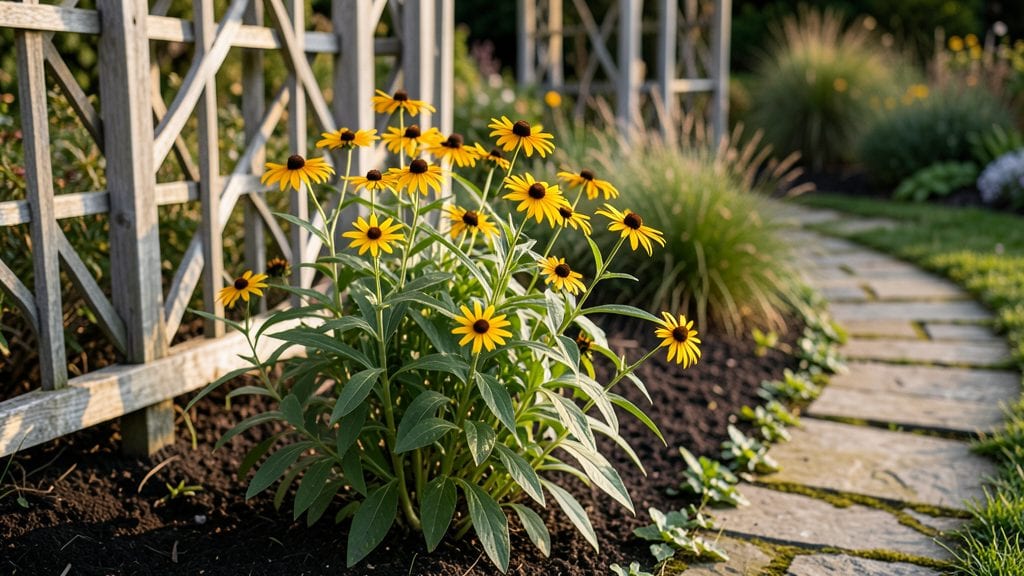
A cottage garden in Waupaca, WI thrives with hardy perennials like coneflowers, black-eyed Susans, and Russian sage, paired with cold-resistant annuals such as pansies and snapdragons. Focus on layered planting with evergreens, shrubs, and seasonal blooms to ensure vibrant color year-round despite the region’s cold winters and humid summers.
A cottage garden in Waupaca’s Zone 4-5 climate demands smart plant choices to survive harsh winters and humid summers. Coneflowers and black-eyed Susans bring bold color while requiring minimal water, while Russian sage thrives in dry conditions. Pansies and snapdragons add early spring and late fall blooms, extending your garden’s life cycle.
The key is mixing textures—tall grasses, low-lying perennials, and fragrant herbs—to create visual interest that keeps your garden lively even in winter’s dormancy. 🌿
Layering isn’t just about aesthetics—it’s survival. Evergreens like boxwood or shrubs such as potentilla provide structure, while mulch insulates roots from freezing temperatures. Group plants by water needs (e.g., drought-tolerant lavender near Russian sage) to simplify maintenance.
Waupaca’s humid summers also mean prioritizing airflow to prevent fungal diseases, so avoid overcrowding and choose disease-resistant varieties like bee balm or catmint. The result? A garden that feels lush and intentional, not just pretty. ✨
💡 In This Article
- Best Cold-Hardy Plants for Waupaca’s Cottage Garden
- Designing a Low-Maintenance Cottage Garden Layout
Best cold-hardy plants for Waupaca’s cottage garden
Waupaca’s USDA Zone 4-5 climate creates unique challenges—sub-zero winters and hot, humid summers demand plants with deep root systems and drought tolerance. The key is selecting species that thrive in these extremes while offering year-round visual interest.
For instance, coneflowers (Echinacea) develop taproots that reach 3-5 feet deep, accessing moisture even during drought, while their purple-pink blooms attract pollinators from June to October. This hardiness means they rebound quickly after winter dieback, often returning with fresh foliage by late April.
Russian sage (Perovskia atriplicifolia) is another standout, with silver-blue foliage that stays attractive even when not in bloom. Its woody stems store water, helping it survive prolonged dry spells common in Waupaca’s summers.
The plant’s late-summer to fall blooming cycle (August–October) fills the garden when many perennials have finished flowering. What’s more, its aromatic leaves deter deer, a common challenge in rural Wisconsin gardens. 💫
For shade-loving areas, consider hostas or heucheras, which tolerate partial sun and thrive in Waupaca’s moist, well-drained soil. Hostas, for example, have rhizomes that spread slowly, making them ideal for underplanting shrubs like potentilla, which blooms from May to July with bright yellow flowers.
These combinations create multi-season interest—hosta foliage provides lush greenery in summer, while potentilla’s blooms draw hummingbirds. The trade-off? Hostas may need 3-4 inches of mulch in winter to prevent frost heave.
Annuals like pansies and snapdragons bridge seasonal gaps. Pansies, with their ruffled petals, tolerate light frosts (down to 20°F) and bloom from early spring to fall. Snapdragons, meanwhile, thrive in cool weather and produce vertical spikes of flowers that add height to borders.
Both species benefit from consistent moisture but avoid soggy soil—Waupaca’s clay-heavy loam often requires amending with compost to improve drainage.
Evergreens like boxwood (Buxus) or juniper shrubs provide year-round structure and act as windbreaks. Boxwood’s dense, glossy leaves retain moisture in summer and prevent soil erosion in winter. Pair it with ornamental grasses like Miscanthus, which rustle in autumn breezes and add textural contrast to softer perennials.
The grasses’ deep roots also improve soil aeration, benefiting nearby plants.
Finally, lavender deserves mention for its drought tolerance and fragrant spikes. Native to Mediterranean climates, it mimics Waupaca’s hot, dry summers and cold winters surprisingly well. Plant it in full sun with well-draining soil—amend heavy clay with sand or gravel to prevent root rot.
Its purple blooms (July–August) attract bees and repel pests like mosquitoes, making it a dual-purpose workhorse in the garden. 🌿