
Advice
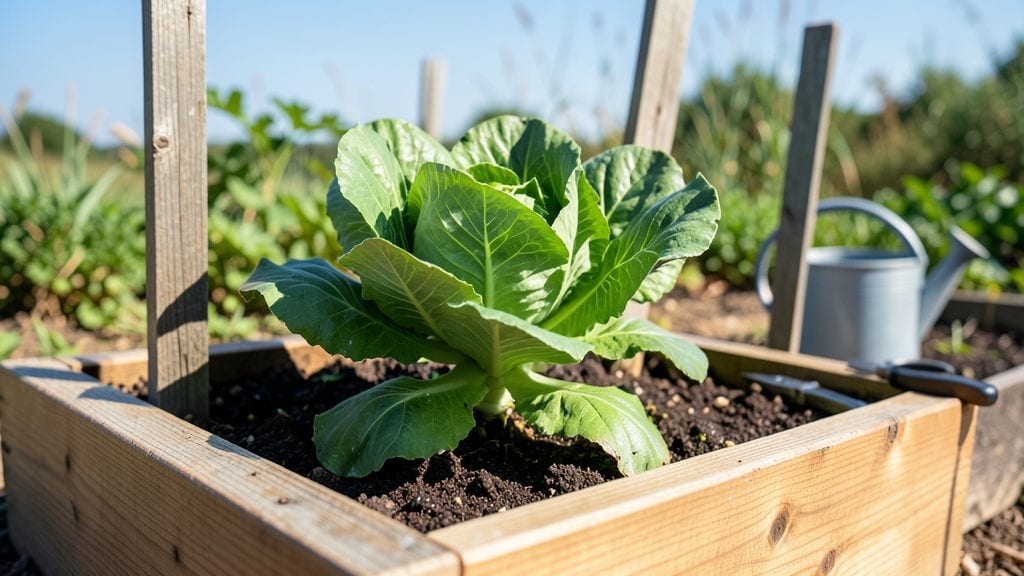
The cost to make a raised garden bed ranges from $100 to $1,200+, depending on size (a 4’x8’ bed averages $300–$600 for DIY cedar), materials (cedar, composite lumber, or recycled wood), and whether you hire professionals. Soil, liner, and hardware add $50–$200 extra.
Your budget will shift dramatically based on whether you opt for pre-cut lumber or salvaged materials. A 4’x4’ bed might cost as little as $150 with basic cedar planks, while an 8’x8’ structure could exceed $1,000 if you choose premium redwood or composite lumber for longevity.
I’ve seen DIYers save hundreds by using reclaimed wood or cinder blocks, though these options require extra prep work like sealing or leveling. 💛 The real cost saver? Skipping the liner unless your soil is particularly poor—just till in compost instead.
For those considering professional installation, labor costs typically add $500–$1,500 depending on location, but this includes expertise that ensures proper drainage and structural integrity. Many pros also offer soil delivery and installation as add-ons, which can be worth the premium if you’re short on time or dealing with rocky terrain.
My advice? Start with a mid-sized cedar bed—it balances affordability with durability, and you can always expand later.
💡 In This Article
- Material Costs for Raised Garden Beds by Type
- DIY vs Professional Installation Cost Comparison
Material costs for raised garden beds by type
The cost of materials for raised garden beds varies dramatically based on the type of wood or alternative materials you choose. Cedar planks, the most popular choice, typically run $3–$6 per linear foot for 2x6 boards, making a 4’x8’ bed with four sides cost around $240–$480 before hardware.
Redwood, known for its natural rot resistance, costs $5–$10 per linear foot, pushing the same bed to $400–$800—a premium for longevity that can last 15–20 years without treatment.
Composite lumber, made from recycled wood fibers and plastic, offers durability without the maintenance of natural wood. Prices average $7–$12 per linear foot, but these materials resist warping and insects, reducing long-term costs. For a 4’x8’ bed, expect to pay $480–$960.
Recycled options like pallet wood or cinder blocks cut costs significantly—pallets cost $10–$30 each and require sealing, while cinder blocks run $1–$3 each but need mortar and extra labor for assembly.
Hardware like galvanized screws ($0.50–$1 each) and corner brackets ($3–$8 each) add $20–$50 to the total, depending on the bed’s size and design.
Soil volume is another critical factor: a 4’x8’ bed with 12-inch sides holds about 3 cubic yards of soil, costing $60–$120 for high-quality garden mix. Weighing whether to use a landscape fabric liner ($10–$30) depends on your soil quality—often unnecessary if you amend with compost.
Here’s a quick comparison for a 4’x8’ bed:
- Cedar: $240–$480 for wood + $50–$100 for hardware/soil
- Redwood: $400–$800 for wood + $50–$100 for hardware/soil
- Composite: $480–$960 for wood + $50–$100 for hardware/soil
- Pallets/Cinder Blocks: $100–$300 for materials + $50–$150 for sealing/labor
What most people overlook is the long-term cost of maintenance. Cedar and redwood require sealing every 2–3 years ($20–$50 per application), while composite lumber eliminates this entirely.
If you’re building for 5+ years, the upfront savings of pallets or cinder blocks may not outweigh the added labor and potential replacement costs.
The right material depends on your priorities: cedar for balance, redwood for longevity, composite for low maintenance, or recycled options for budget savings. For a 4’x4’ bed, costs drop proportionally, while an 8’x8’ bed can exceed $1,000 with premium materials.
Always factor in local lumberyard prices—regional availability can shift costs by 20–30%. 💫