Watering
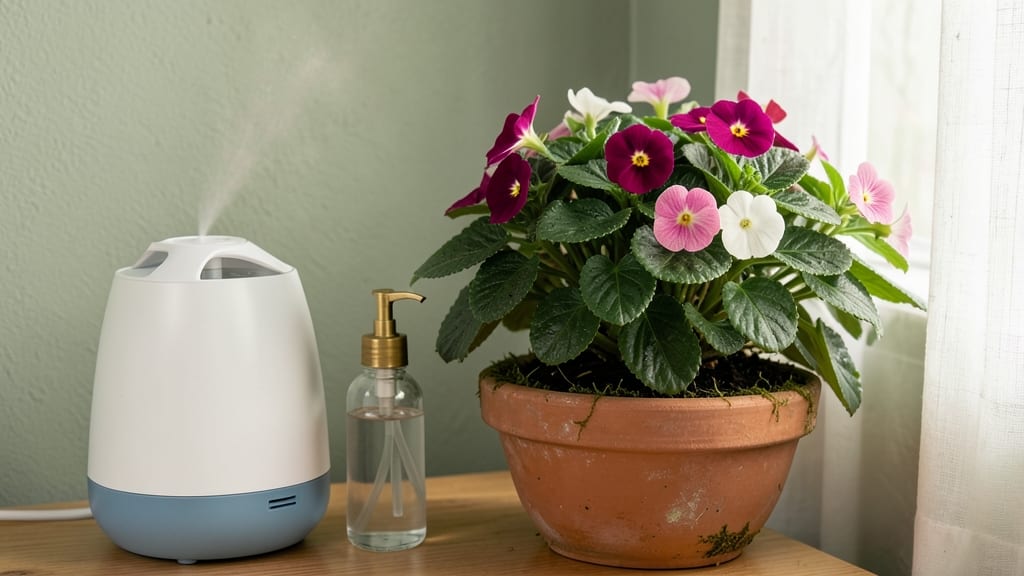
A cool mist garden replicates rainforest conditions for tropical plants using fine misting systems, maintaining 60-80% humidity while preventing leaf burn from overheating.
A cool mist garden isn't just about water—it's about recreating the natural environment tropical plants crave. 🌿 The fine mist mimics gentle rain, which helps plants absorb moisture through their leaves (a process called foliar feeding) while keeping roots from sitting in soggy soil.
This setup is especially valuable in dry climates where indoor air can dry out plants faster than they can drink. I've seen ferns and orchids thrive in these environments because the consistent moisture prevents the browning edges that plague many houseplants in standard setups.
What makes this system unique is its ability to balance humidity without creating a swampy environment. Most tropical plants need 60-80% humidity but can't tolerate waterlogged soil—cool misting solves both problems at once.
The key is using the right nozzle size and misting frequency, which I'll cover in the deep-dive section. For now, remember that this isn't just for show plants—it's a complete ecosystem that can transform struggling tropicals into lush, vibrant specimens.
💡 In This Article
- How Cool Mist Systems Enhance Plant Growth
- Top Humidity-Loving Plants for Cool Mist Gardens
How cool mist systems enhance plant growth
The science behind cool mist systems revolves around optimizing plant physiology through controlled humidity. When plants experience 60-80% relative humidity, their stomata (tiny pores) open more efficiently, reducing water loss through transpiration.
This is critical because tropical plants like ferns and orchids lose up to 90% of their water through leaves—not roots—when humidity drops below 50%. The cool mist mimics natural dew cycles, allowing plants to absorb moisture through their foliage while maintaining proper gas exchange for photosynthesis. 🌿
Root health improves dramatically in these conditions because consistent humidity prevents the soil from drying out too quickly. Most tropical plants have shallow root systems that rely on evenly moist (but not soggy) soil.
Cool misting creates a microclimate where the top 2-3 inches of soil stays consistently damp, which is ideal for plants like calatheas that need steady moisture without waterlogging. The system also prevents fungal issues by keeping the environment humid enough that beneficial microbes thrive while harmful pathogens struggle to establish.
Active vs. passive misting systems create different effects. Passive systems (like pebble trays) only raise humidity locally, often creating 30-40% humidity at best. Active systems with fine mist nozzles (like those in commercial greenhouses) can maintain 70-80% humidity across the entire growing area.
The key difference is airflow: passive systems work best in still air, while active systems require gentle circulation to prevent leaf burn from water droplets sitting on foliage too long. For most home setups, a 10-15 minute misting cycle every 2-3 hours strikes the perfect balance.
Temperature plays a surprising role in misting effectiveness. Most tropical plants prefer 70-80°F with high humidity, but if the air temperature exceeds 85°F, the mist can actually stress plants by creating too much condensation on leaves.
This is why "cool" mist systems use water temperatures 10-15°F cooler than ambient air—it prevents heat buildup while maintaining optimal humidity. The ideal setup combines misting with proper ventilation to keep the environment stable without creating a sauna effect. 💧
Different plant types have specific needs within this range. Orchids, for example, thrive at 60-70% humidity with good airflow, while ferns prefer 70-80% and can tolerate slightly more stagnant air.
The misting system should be adjustable to match these requirements, with finer mists for delicate leaves (like those of maidenhair ferns) and slightly coarser mists for broader-leaved plants (like monsteras). Monitoring leaf temperature with an infrared thermometer helps fine-tune the system—ideal leaf temps stay within 2°F of air temperature.
What most people don't realize is how misting affects plant respiration. During the day, plants need 60-70% humidity for optimal photosynthesis, but at night, they often prefer 80-90% to support cellular repair processes.
A well-designed cool mist system can automatically adjust cycles based on light levels, creating a diurnal rhythm that mimics natural tropical conditions. This level of control transforms struggling houseplants into thriving specimens by addressing their fundamental physiological needs. ✨