
Planting
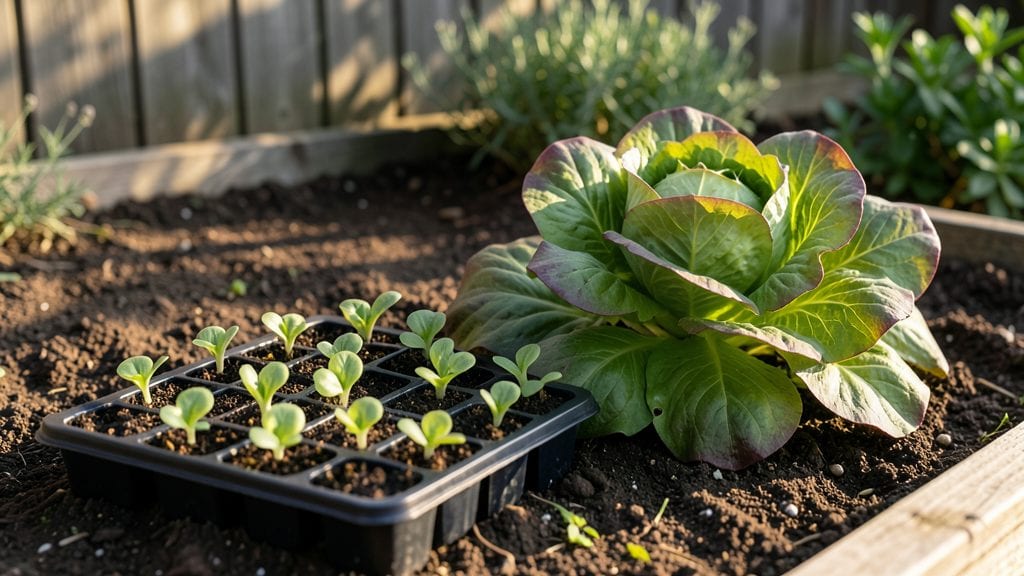
Growing a garden with CJ means starting with plants suited to your local climate, enriching your soil with compost, and aligning your planting schedule with your region’s frost dates. Begin with beginner-friendly options like leafy greens or tomatoes before tackling more complex varieties.
CJ’s approach focuses on simplicity and adaptability—your garden’s success hinges on matching plants to your growing conditions. 🌱 For example, Southern gardeners can extend their growing season with heat-tolerant crops like okra, while Northerners might prioritize cold-hardy kale or peas.
The key is testing soil pH (aim for 6.0-7.0 for most veggies) and using compost to improve drainage, which cuts down on watering and weeds. I’ve found that even small containers work well for herbs and lettuce, making urban gardening totally doable.
Once you’ve got your soil ready, timing becomes everything. CJ’s rule of thumb is to plant cool-season crops (like spinach) 4-6 weeks before the last frost, while warm-season plants (tomatoes, peppers) need soil that’s at least 60°F before going in.
A simple soil thermometer makes this easy to track—no guesswork involved. For beginners, I recommend keeping a planting journal to note what thrives (or flops) each year, since adjustments are part of the process.
💡 In This Article
- CJ’s Climate-Specific Planting Calendar
- Essential Tools and Soil Prep for CJ’s Garden
CJ’s climate-specific planting calendar
Timing your garden is all about understanding your local climate's invisible rhythms. Frost dates—the average last spring frost and first fall frost—are your garden's bookends.
These dates, available through the USDA Plant Hardiness Zone Map, dictate when to plant cool-loving crops like broccoli (which thrives at 50-65°F) versus heat-seekers like basil (70-85°F ideal). The science here involves vernalization (cooling seeds to trigger flowering) and day-length sensitivity
For example, spinach bolts (goes bitter) when days exceed 14 hours of light. Sun exposure matters just as much as dates. Most vegetables need 6-8 hours of direct sunlight daily, but leafy greens tolerate 3-4 hours. CJ’s trick? Use a sun calculator to map your yard’s light patterns—trees and buildings cast moving shadows. Soil temperature is the final puzzle piece: use a soil thermometer to confirm 50°F for peas or 70°F for cucumbers before planting. Pro tip: Black plastic mulch warms soil 5-10°F faster than bare earth, giving you a 2-week head start in spring. Regional differences create dramatic variations. In the Deep South (Zones 8-10), you can grow year-round with minimal winter breaks—think sweet potatoes and collards thriving through mild winters. Meanwhile, Northern gardens (Zones 3-5) rely on succession planting: sow lettuce every 2 weeks from April to August to stretch your harvest. CJ’s starter crops for beginners? Lettuce (fast-growing, forgiving), radishes (ready in 30 days), and cherry tomatoes (compact and prolific). These tolerate minor timing mistakes while teaching you soil and water basics. What most beginners miss is how microclimates create pockets of opportunity. A south-facing wall warms 10°F hotter than open ground, letting you plant peppers 3 weeks earlier. Shady spots? Opt for Swiss chard or bush beans, which handle partial shade better than sun-worshippers. CJ’s rule: Start with one "test bed" of 5-10 plants to refine your local conditions before expanding. A planting journal with notes on frost surprises or pest outbreaks becomes your most valuable tool over time. Harvest timing depends on the plant’s growth stage. For example, bush beans are ready 50-60 days after sowing when pods are firm and 1-2 inches long, while zucchini needs 45-55 days to produce flowers (pick when 3-6 inches long). Overripe produce loses flavor and texture—think of tomatoes going mealy or cucumbers bitter. CJ’s hack? Use a harvest calendar with countdowns from planting date to first harvest, color-coded by crop type. This visual system prevents "forgotten" plants in the back of the garden. Don’t overlook the moon’s phases—a debated but practical tool. Planting root crops (carrots, beets) during the waxing moon (increasing light) is said to boost growth, while leafy greens thrive during waning moon (decreasing light). While not scientifically proven, many gardeners swear by it as a psychological aid to stay consistent with planting schedules. The real magic? Combining data (frost dates, soil temps) with observation (leaf color, flower formation) to fine-tune your timing each year. Here’s CJ’s regional cheat sheet for beginners: The best part? Every year, your garden becomes more predictable—and more rewarding. Start small, track what works, and soon you’ll be harvesting homegrown like a pro. 🌟