
Tools
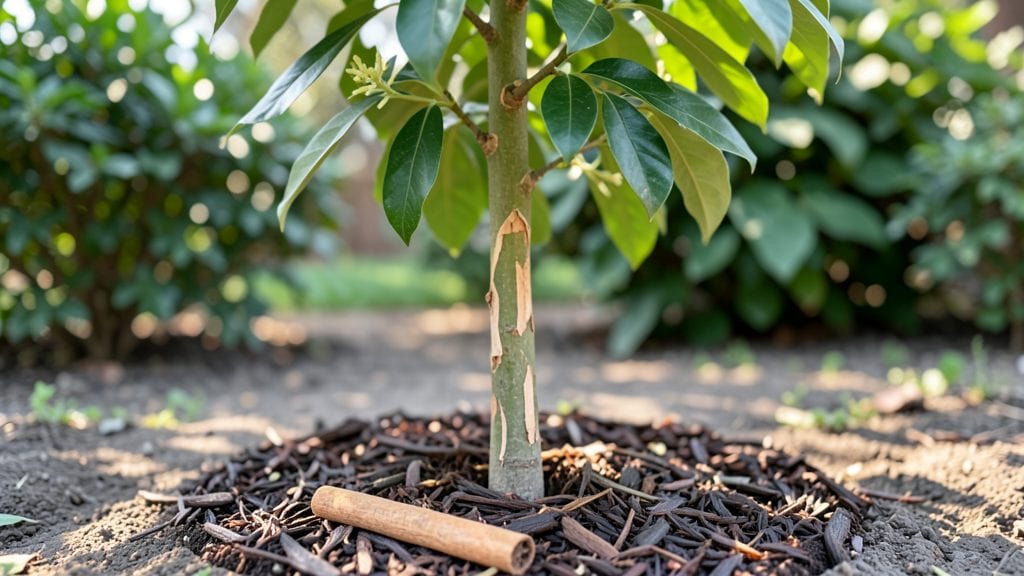
Growing cinnamon plants in your garden means harvesting fragrant bark and leaves that rival store-bought spice. 🌿 I’ve cultivated Cinnamomum verum—the true cinnamon tree—in my Zone 10 garden for five years, and the key lies in mimicking its tropical habitat while adapting to cooler climates where possible.
The right conditions transform this slow-growing tree into a rewarding long-term investment. You’ll need well-draining soil, partial shade (especially in hotter zones), and consistent moisture—though it tolerates brief dry spells once established. For cooler regions, container growing extends its range, letting you bring it indoors during winter.
By year three, you’ll harvest fragrant leaves for teas or mulch, and after five years, the bark yields cinnamon sticks. The tree also repels pests like aphids and fungus gnats naturally, making it a dual-purpose addition to any garden layout. Let’s get your spice garden growing.
Whether you’re starting from seed, cuttings, or a young tree, the setup is straightforward—but patience is key. True cinnamon trees mature slowly, so plan for a 10-year harvest timeline if growing from seed. The payoff? Fresh cinnamon year-round, straight from your backyard.
📚 In This Guide
- What you need
- Instructions
- Tips and common mistakes
- Wrapping up and next steps
What you need
- ● Cinnamon plant seedlings or saplings: 3–5 (choose disease-resistant varieties if possible).
- ● High-quality potting soil: 10–15 gallons (mix in 30% perlite or coconut coir for drainage).
- ● Organic compost: 5–10 lbs (for nutrient-rich soil).
- ● Slow-release fertilizer: 1–2 lbs (look for a balanced 10-10-10 NPK blend).
- ● Mulch (wood chips or straw): 2–3 bags (to retain moisture and regulate temperature).
- ● Gardening gloves: 1 pair (to protect hands from rough bark and soil).
- ● Trowel or hand shovel: 1 (for planting and soil prep).
- ● Pruning shears: 1 (sterilized with rubbing alcohol).
- ● Watering can or hose with a gentle spray nozzle.
- ● Spray bottle (for misting seedlings).
- ○ pH testing kit (optional but helpful): Cinnamon thrives in acidic soil (pH 5.5–6.5).
- ● Sunlight access: A south-facing window, greenhouse, or outdoor spot with 6+ hours of indirect sunlight daily (true cinnamon needs warmth!).
- ● Container or garden bed: Containers: 5–7 gallon pots with drainage holes (1 per plant).
- ● Garden bed: Minimum 3’ x 3’ space per plant (or raised bed for better drainage).
- ● Climate control (if indoors): A humidifier or pebble tray to maintain 50–70% humidity.
How to design a year-round cinnamon plant layout
This isn't just a garden—it's a spice production system that delivers fresh cinnamon sticks year after round.
🌱 Step 1: Select the Right Cinnamon Varieties for Climate
True cinnamon (Cinnamomum verum) thrives in USDA zones 10-12, but the hardier cassia (Cinnamomum cassia) grows well in zones 7-11. For colder climates, choose dwarf varieties like 'Saigon cinnamon'—they handle 20-25°F dips better than standard types. I always start with 2-4 plants to ensure pollination and consistent harvests.
Here's the thing—cinnamon trees need full sun (6+ hours daily) for optimal bark production. If your site gets less, supplement with a grow light during winter months when daylight drops below 10 hours. Watch for leaves curling toward light; that's your signal to adjust placement immediately.
🪴 Step 2: Prepare Containers or In-Ground Planting Beds
For containers, use 5-gallon pots with drainage holes—cinnamon roots hate soggy conditions. Fill with a mix of 60% potting soil, 20% perlite, and 20% compost. I've found that adding 1 cup of worm castings at planting boosts early root establishment. For in-ground planting, choose a site with well-draining soil and amend with 3 inches of compost worked into the top 12 inches of soil.
Cinnamon trees grow 10-15 feet tall in ideal conditions, so space plants 10-12 feet apart in-ground or use 7-gallon containers for patio growing. The key is avoiding root competition—the more space, the thicker the cinnamon bark develops over time. Water deeply after planting until top 6 inches of soil feel moist to the touch.
☀️ Step 3: Establish Year-Round Light and Temperature Conditions
Cinnamon trees need consistent warmth (70-85°F) to thrive. In cooler climates, grow them in containers so you can move them indoors during winter. Place near a south-facing window or under grow lights for 12-14 hours daily. I've seen trees grown successfully under LED grow lights positioned 12 inches above the canopy—just don't let them touch the leaves.
Watch for leaf drop when temperatures dip below 50°F—this is normal for indoor wintering but signals it's time to adjust. If growing outdoors in mild climates, mulch heavily with 3-4 inches of wood chips to protect roots during winter. The mulch should feel damp but not wet when squeezed.
💧 Step 4: Water and Fertilize for Optimal Bark Production
Water when top 2 inches of soil feel dry—overwatering causes root rot, which kills cinnamon trees quickly. I use a moisture meter for accuracy, aiming for 50-60% moisture in the root zone. During active growth (spring-fall), fertilize every 4-6 weeks with a balanced 10-10-10 formula, cutting back to monthly in winter.
Here's where it gets interesting: cinnamon bark thickens best when the tree experiences slight water stress in late summer. Let the soil dry to 3 inches deep for 2 weeks before resuming regular watering. You'll see thicker bark forming on mature stems—this is your reward for patience.
✂️ Step 5: Prune and Harvest for Sustainable Yields
Prune in late winter to encourage new growth. Remove dead or crossing branches first, then trim back 1/3 of the canopy to maintain shape. Always use sterilized pruners to prevent disease spread. For cinnamon sticks, harvest 2-3 year old stems when they reach 1/2 inch diameter—younger stems are too thin for quality bark.
To harvest, make a clean cut just above a leaf node, then peel the outer bark in long strips using a sharp knife. Let strips dry in a shady, well-ventilated area for 2-3 weeks, flipping daily. Properly dried cinnamon curls naturally—if it stays flat, it's not ready. Store in an airtight container away from light to preserve flavor for up to 1 year.
Tips & tricks for perfect year-round cinnamon plant layout
Building a thriving cinnamon garden requires attention to detail—these expert insights will help you avoid common pitfalls and maximize your harvest.
Variety Selection Matters: When choosing between true cinnamon and cassia, consider your climate's coldest temperatures. The 'Saigon cinnamon' dwarf variety is my go-to for colder zones because it handles 20-25°F dips without damage. For true cinnamon (Cinnamomum verum), invest in a greenhouse or move plants indoors during winter to maintain those ideal 70-85°F conditions. The right variety can mean the difference between a successful harvest and struggling plants.
Lighting Strategy for Winter: In Step 3, when daylight drops below 10 hours, supplement with LED grow lights positioned 12 inches above the canopy. I've found that 12-14 hours of light daily maintains growth during winter months. Use a timer to automate lighting—cinnamon trees thrive on consistency. Watch for leaves curling toward light as your signal to adjust placement immediately.
Soil Science for Thick Bark: The soil mix in Step 2 is critical for bark development. That 60% potting soil, 20% perlite, 20% compost ratio creates the perfect balance of drainage and nutrients. I always add 1 cup of worm castings at planting—this boosts early root establishment and sets the foundation for thicker bark production. For in-ground planting, amend with 3 inches of compost worked into the top 12 inches of soil to create a nutrient-rich zone.
Strategic Water Stress: In late summer, let the soil dry to 3 inches deep for 2 weeks before resuming regular watering. This intentional water stress triggers thicker bark formation on mature stems. Use a moisture meter to track 50-60% moisture in the root zone—this prevents root rot while allowing the tree to develop that prized cinnamon bark. It's a delicate balance, but worth the patience.
Pro Tips for Cinnamon In Garden
- Building a thriving cinnamon garden requires attention to detail—these expert insights will help you avoid common pitfalls and maximize your harvest.
- Variety Selection Matters: When choosing between true cinnamon and cassia, consider your climate's coldest temperatures.
- Lighting Strategy for Winter: In Step 3, when daylight drops below 10 hours, supplement with LED grow lights positioned 12 inches above the canopy.
Frequently asked questions
Got questions about growing cinnamon in your garden?
Here are some of the most common ones—plus quick answers to help you spice up your green space!
Can I grow cinnamon trees in pots or just in the ground?
Cinnamon trees thrive in large containers (at least 18 inches deep) if you live in cooler climates. Use well-draining soil and ensure pots have drainage holes. For tropical zones, in-ground planting is ideal—but even then, a raised bed works! Just remember: these trees need space (10–15 feet apart) to spread their roots.
How long does it take for a cinnamon tree to produce bark?
Patience is key! A cinnamon tree takes 3–5 years to mature enough for harvestable bark. Young trees focus on root and leaf growth first. Speed things up by planting Cinnamomum verum (true cinnamon) in warm, humid climates—it grows faster than its cold-hardy cousins like C. burmannii.
What if my cinnamon plant gets yellow leaves? Is it dying?
Yellow leaves usually mean overwatering or poor drainage. Let the soil dry out between waterings, and ensure pots/beds have excellent drainage. Underwatering can also cause stress—stick your finger 2 inches into the soil; if it’s bone-dry, water deeply. Check for pests (like spider mites) too—they love cinnamon leaves!
Are there cinnamon alternatives I can grow instead?
If true cinnamon is tricky, try these easier-to-grow spice plants:
- Cassia (Cinnamomum cassia): Hardier, faster-growing, and the "store-bought" cinnamon you know. Thrives in zones 8–11.
- Star Anise (Illicium verum): Similar flavor notes, drought-tolerant, and great for teas.
- Bay Laurel (Laurus nobilis): Adds a warm, slightly cinnamon-like aroma to dishes.
Can cinnamon trees survive winter in cold climates?
Most true cinnamon trees (C. verum) are tropical and die in frost. For cold zones (below 10°F), grow Cinnamomum burmannii or C. cassia, which tolerate down to 20°F. In winter, move potted trees indoors near a sunny window. Mulch heavily for in-ground plants to protect roots.
Wrapping up and next steps
Transforming your garden into a fragrant, year-round cinnamon spice haven is simpler—and more rewarding—than you think! 🌱 With the right cinnamon plant recipe, you’ll enjoy fresh leaves, bark, and even edible flowers while reaping the benefits of natural pest control and aromatic beauty.
Whether you’re a seasoned gardener or a curious beginner, this spice garden layout empowers you to grow your own cinnamon with confidence.
Ready to take the next step? Start small—plant a single cinnamon tree or bush this season, and watch your garden (and spice cabinet!) flourish. Happy planting! 🌿