Pests
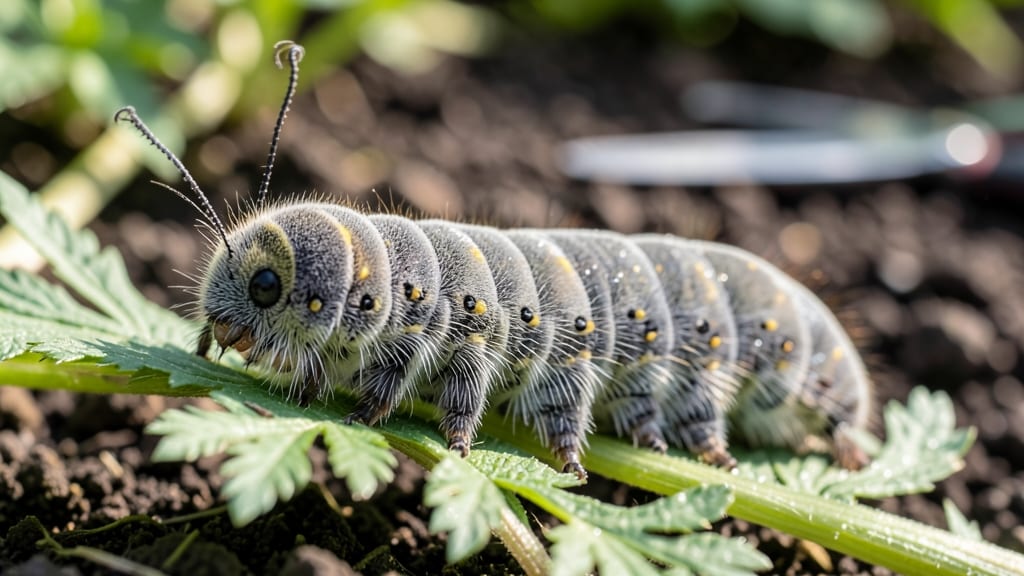
Caterpillars in your garden can turn lush leaves into skeletonized messes overnight—🌿 but the right organic defense stops them without harming your pollinators or future harvests. I’ve battled tomato hornworms, cabbage loopers, and rose slugs for years, and these methods work whether you’re growing veggies, flowers, or both.
The key is acting fast but smart: manual removal works for small infestations, while neem oil or bt (Bacillus thuringiensis) targets caterpillars specifically without wiping out ladybugs or bees. Row covers create a physical barrier, and planting dill, fennel, or marigolds nearby attracts their natural predators—lizards, birds, and parasitic wasps.
By combining these strategies, you’ll see fewer chewed leaves within 3-5 days, and your plants will recover faster than with chemical sprays. The best part? Your garden stays thriving while keeping the ecosystem balanced—no more sad, half-eaten zucchini blossoms or stripped rose petals.
Works for every garden type, from raised beds to container plants. Here’s how to choose the right approach for your specific pests and plants—no guesswork, just results.
What Draws Them In
Caterpillars aren’t just random visitors—they’re strategic invaders with clear motives. Understanding why they target your garden is the first step to outsmarting them. Below, we break down the key reasons these leaf-munching critters show up in your green space, backed by science and actionable insights.
Caterpillars are the hungry larvae of moths and butterflies, and they need high-protein, nutrient-rich plants to survive. If your garden is a buffet of their favorite foods, they’ll move in—fast.
- Host Plants: Many caterpillar species (like tomato hornworms or cabbage loopers) are specialized feeders.
They only eat specific plants, such as: - Tomatoes, peppers, and eggplants (for hornworms and fruitworms) - Cabbage, broccoli, and kale (for imported cabbageworms) - Lawn grasses (for cutworms, which hide near soil) - Young, Tender Growth: New leaves and shoots are softer and more nutritious, making them irresistible.
Over-fertilizing can even attract more pests by boosting plant sap sweetness. - Weakened Plants: Stressed or diseased plants (from overwatering, drought, or poor soil) are easier targets because their defenses are down.
💡 Pro Tip: Rotate crops yearly to disrupt caterpillar life cycles, and avoid planting large blocks of a single species. Interplanting with non-host plants (like marigolds or basil) can create a natural barrier.
Caterpillars need safe hiding spots and consistent moisture to thrive. Your garden might unknowingly provide both.
- Dense Foliage: Bushy plants (like roses, hibiscus, or hostas) offer perfect camouflage for caterpillars to avoid predators like birds or parasitic wasps. - Leaf Litter and Debris: Piles of fallen leaves, mulch, or garden waste create microhabitats where caterpillars pupate (turn into moths) undisturbed. - High Humidity: Many caterpillars prefer moist environments.
Overwatered soil or shaded areas with poor airflow can make your garden a caterpillar paradise.
✨ Action Step: Keep your garden neat and well-drained. Remove leaf litter regularly, and prune plants to improve airflow—this makes it harder for caterpillars to hide and survive.
Caterpillars are the offspring of moths and butterflies, and if their parents are drawn to your garden, their babies will follow.
- Night-Blooming Flowers: Many moths (like the tomato hornworm’s parent, the five-spotted hawk moth) are nocturnal pollinators attracted to:
- Datura, moonflower, or evening primrose
- White or pale flowers (which reflect moonlight)
- Artificial Lights: Outdoor lights (especially blue or white LEDs) can disorient moths, causing them to linger near your garden—where they’ll lay eggs.
- Fermenting Fruits: Overripe fruit on the ground (like tomatoes or berries) can emit odors that attract egg-laying moths.
🎯 Prevention Tip: Use yellow bug lights (which moths avoid) or shield lights with orange bulbs. Also, pick overripe fruit promptly to remove bait for egg-laying moths.
Caterpillars are highly sensitive to weather, and certain conditions make your garden a prime breeding ground.
- Warm, Stable Temperatures: Many species (like gypsy moth caterpillars) thrive in consistent warmth (60–80°F). Greenhouses or microclimates (like south-facing gardens) can extend their season. - Rainy Seasons: Moisture helps caterpillars survive drought and speeds up their growth.
Gardens in humid climates often see more outbreaks. - Mild Winters: In colder regions, mild winters allow more caterpillars to overwinter as eggs or pupae, leading to bigger infestations the next spring.
🌡️ Climate Hack: In drought-prone areas, drip irrigation (instead of overhead watering) can reduce humidity around plants, making the environment less appealing to caterpillars.
Sometimes, our gardening habits accidentally invite caterpillars.
- Overuse of Broad-Spectrum Pesticides: While these kill some pests, they can also eliminate natural predators (like ladybugs or parasitic wasps) that keep caterpillar populations in check.
- Monoculture Gardening: Planting large patches of a single crop (e.g., a vegetable garden with only tomatoes) makes it easier for caterpillars to find food and breed.
- Compost Piles: While compost is great for soil, untended piles can harbor caterpillar eggs or provide shelter for pupating species.
🔥 Fix It: Adopt integrated pest management (IPM)—use targeted sprays (like Bacillus thuringiensis, or Bt) instead of chemicals, and diversify plantings to disrupt caterpillar life cycles.
Quick Fixes for Garden Munchers
Caterpillars may seem like tiny troublemakers, but with the right approach, you can keep them from turning your garden into a buffet. Below are practical, organic solutions tailored to the most common causes of caterpillar invasions—whether they’re munching on leaves, hiding in soil, or lurking in flowers.
Each fix is designed to be easy to implement and gentle on your plants (and the planet).
If your plants look like they’ve been hit by a leaf-eating machine, caterpillars are likely the culprits. Here’s how to stop the damage:
🔥 Handpick & Remove (Best for Small Infestations) - How to do it: Wear gloves and inspect leaves daily (especially undersides).
Pluck caterpillars off and drop them into a bucket of soapy water. - Pro tip: Do this in the early morning when caterpillars are sluggish and easier to spot. 🌞 - Prevention: Check plants regularly—early action prevents eggs from hatching into more caterpillars.
🍳 Introduce Natural Predators (Long-Term Defense) Caterpillars have many natural enemies that can help control populations: - Ladybugs (eat aphids and small caterpillars) - Parasitic wasps (lay eggs inside caterpillars—gross but effective!) - Birds (like chickadees and robins—install a bird feeder nearby) - How to attract them: Plant dill, fennel, or yarrow to draw beneficial insects.
Avoid pesticides, which can harm these helpers.
👨🍳 Use Organic Sprays (For Heavy Damage) If handpicking isn’t enough, try these spray solutions: - Neem oil spray (disrupts caterpillar feeding and growth) - Mix: 2 tbsp neem oil + 1 tsp mild soap + 1 quart water.
Spray evenly on leaves (including undersides). - Reapply: Every 5–7 days or after rain. - Bacillus thuringiensis (Bt) (a bacteria that kills caterpillars but is safe for humans and plants) - How to use: Mix with water as directed and spray directly on caterpillars. - Bonus: Works best on young caterpillars—treat before they grow!
Some caterpillars (like cutworms or tomato hornworms) burrow into the soil or hide under mulch. Here’s how to flush them out:
🔪 The Flashlight Test (Nighttime Raid) - When: After sunset, when caterpillars are active. - How to do it: Shine a flashlight on the soil around plants.
Caterpillars will crawl away—pick them up with gloves or a trowel. - Pro tip: Do this for 3–4 nights in a row to catch multiple generations.
🥘 Remove Mulch & Till (For Stubborn Cases) - How to do it: Carefully pull back mulch and loosen the top 1–2 inches of soil with a garden fork.
This exposes hiding caterpillars to birds and predators. - Prevention: Use coarse mulch (like wood chips) instead of fine mulch, which caterpillars prefer.
🌡️ Trap Crops (Sacrificial Plants)
- What to plant: Grow nasturtiums, marigolds, or dill near vulnerable plants (like tomatoes or cabbage).
- Why it works: Caterpillars prefer these plants—lure them away from your veggies.
- How to use: Plant trap crops far from your main garden and check them daily for caterpillars.
Some caterpillars (like tent caterpillars) spin webs in flowers, blocking pollinators. Here’s how to remove them without harming bees:
✨ Gentle Web Removal
- How to do it: Carefully cut open webs with scissors and pick out caterpillars (drop them in soapy water).
- Pro tip: Do this early in the day when bees are less active.
🎯 Net Barriers (For Delicate Flowers)
- What to use: Lightweight floating row covers or fine mesh netting over flower beds.
- How to apply: Secure edges with clips or rocks. Remove when flowers are pollinated.
💡 Plant Caterpillar-Repellent Flowers
Some flowers naturally deter caterpillars while still attracting pollinators:
- Lavender (strong scent repels many pests)
- Garlic chives (plant near roses or tomatoes)
- Basil (deters tomato hornworms)
The best defense is a strong offense—here’s how to stop caterpillars before they start:
| Tip | How to Do It | Why It Works |
|---|---|---|
| 🌱 Healthy Soil | Add compost and avoid over-fertilizing (especially nitrogen). | Strong plants resist pests better. |
| 🌿 Companion Planting | Plant basil near tomatoes, carrots near leeks, or onions near cabbage. | Confuses caterpillars and masks plant scents. |
| 🕯️ Nighttime Lighting | Use yellow or red LED lights at night. | Attracts bats and moth-eating birds, which prey on caterpillars. |
| 🧹 Regular Pruning | Remove chewed leaves and egg masses weekly. | Stops the caterpillar life cycle early. |
| 🚫 Avoid Overwatering | Water deeply but less frequently. | Damp soil attracts slugs and some caterpillar species. |
Final Thought: Caterpillars are a natural part of the garden ecosystem—the key is balancing control with harmony. Try one or two methods, monitor your plants, and adjust as needed.
With these organic fixes, your garden will stay lush, your plants will thrive, and you’ll enjoy the satisfaction of pest-free greenery—without harsh chemicals! 🌱💚
Frequently asked questions
Are all caterpillars harmful to my garden?
Not all caterpillars are pests! Many become beautiful butterflies or moths, like monarchs or luna moths. Only about 10% of caterpillar species damage plants. Focus on removing only the ones actively chewing leaves—like tomato hornworms or cabbage loopers—while leaving others to pollinate or support the ecosystem.
How do I tell if caterpillars are the real problem?
Look for distinctive signs: chewed leaves with jagged edges, skeletonized foliage, or silk webs. Young caterpillars leave tiny holes, while larger ones create large gaps. Check leaf undersides too—many caterpillars hide there during the day. Compare with other pests like aphids (which leave sticky residue) or slugs (which create slime trails).
Will neem oil harm my plants or helpful insects?
Neem oil is generally safe when used correctly! It targets caterpillars by disrupting their feeding, but avoid spraying directly on flowers during pollination hours (10 AM–4 PM). It’s also non-toxic to bees and ladybugs if applied at dusk or dawn. For extra safety, use a 1% solution (mix 2 tbsp neem oil + 1 tsp soap per quart of water).
What’s the fastest way to stop a severe caterpillar outbreak?
Combine manual removal + Bacillus thuringiensis (Bt) for immediate results. Handpick large caterpillars daily, then spray Bt on remaining eggs or small larvae. Bt works within 24–48 hours and is safe for humans and pets. For heavy infestations, add row covers to protect young plants while treating the soil with beneficial nematodes.
Can I use coffee grounds to repel caterpillars?
Coffee grounds can help slightly, but they’re not a standalone solution. The caffeine in used grounds may deter some species, but it won’t kill caterpillars. For better results, sprinkle grounds around plant bases (not directly on leaves) and pair with neem oil sprays or companion planting (like basil or marigolds). Fresh grounds work best—they lose effectiveness after 2–3 days.