
Tools
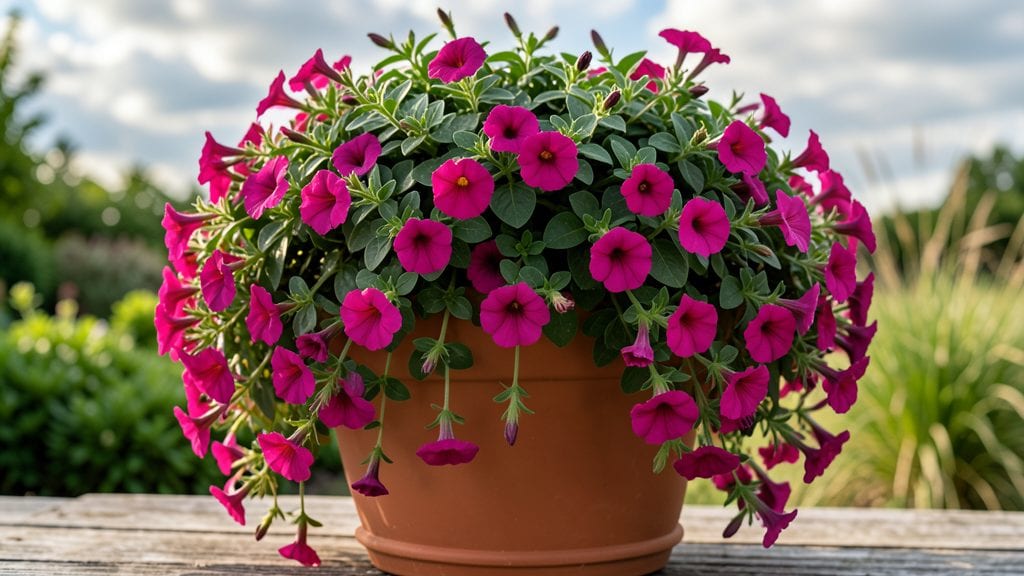
Calibrachoa in garden spaces transforms ordinary containers into lush, cascading waterfalls of color—and I’ve used them to turn my patio into a year-round showstopper. 🌸 These petunia cousins thrive in heat, drought, and even light shade, making them the ultimate low-maintenance star for modern gardens, cottage charm, or pollinator-friendly designs.
The magic happens in how you stage them: tuck calibrachoa at the edges of hanging baskets where their trailing blooms spill over, or nestle them alongside sun-loving annuals like lantana or salvia in mixed containers.
For garden beds, pair them with ornamental grasses or lavender—their contrasting textures create a textured, layered look that feels intentional, not fussy.
You’ll end up with a garden that stays vibrant from spring through frost, with flowers that attract butterflies and hummingbirds while requiring almost no deadheading.
The colors—from deep burgundy to sunny yellow—blend seamlessly with any palette, whether you’re going for a bold urban vibe or a soft cottage garden dream.
Works equally well in modern planters, rustic wooden boxes, or even vertical gardens, so the design possibilities are endless. Let’s get creative with how you incorporate them!
📚 In This Guide
- What you need
- Instructions
- Tips and common mistakes
- Wrapping up and next steps
What you need
- ● Calibrachoa plants: 3–5 plants per container (6–12" pots) or 1 plant per square foot in garden beds. Choose varieties like Calibrachoa ‘Superbells’ or ‘Million Bells’ for continuous blooms.
- ● Potting mix: 10–20 lbs of high-quality, well-draining mix (e.g., Miracle-Gro Potting Mix or coco coir blend). Avoid garden soil—it compacts too easily!
- ● Slow-release fertilizer: 1–2 cups of Osmocote Smart-Release Plant Food (14-14-14 ratio) per 5 gallons of mix for a 3-month nutrient boost.
- ● Organic mulch: 1–2 inches of shredded bark or pine straw to retain moisture and suppress weeds.
- ● Garden trowels: 1–2 medium-sized trowels (6–8" blades) for transplanting.
- ○ Containers (optional): 6–12" pots with drainage holes (3–5 plants per container) or window boxes for trailing varieties.
- ● Watering can or hose with gentle spray nozzle: Calibrachoa loves consistent moisture but hates soggy roots.
- ● Pruning shears: Small bypass pruners for deadheading spent blooms and shaping plants.
- ○ pH test kit (optional): To check soil pH (ideal range: 6.0–7.0). Adjust with lime or sulfur if needed.
- ● Sunlight: Full sun (6+ hours/day) for best blooms. Partial shade (4–6 hours) works in hot climates.
- ● Watering schedule: Keep soil consistently moist (not waterlogged). Water early morning to prevent fungal issues.
- ● Deadheading routine: Pinch or cut back faded blooms weekly to encourage more flowers!
Step-by-step guide to planting and maintaining calibrachoa
Here’s how to transform your garden into a vibrant, year-round display with this easy-care annual.
🌱 Step 1: Choose the Right Location and Prepare the Soil
Calibrachoa thrives in full sun—at least 6-8 hours daily—so select a spot with minimal shade interference. If planting in containers, ensure they’re at least 12 inches deep to accommodate root growth. The soil should be well-draining, slightly acidic (pH 6.0-6.5), and rich in organic matter. Amend heavy clay with 2-3 inches of compost or perlite to improve aeration.
I always test soil moisture before planting—stick your finger 2 inches deep. If it feels dry, water lightly the day before to help roots establish faster. Avoid soggy soil; calibrachoa roots rot easily when waterlogged. For containers, mix 1 part potting mix with 1 part perlite to create a lightweight, breathable medium.
🌿 Step 2: Plant Calibrachoa at the Right Time and Spacing
Start seeds indoors 8-10 weeks before the last frost or purchase transplants from a nursery. Plant after all frost risk has passed, as calibrachoa is frost-sensitive. Space plants 8-12 inches apart in garden beds or 3-4 plants per 12-inch container—crowding leads to leggy growth and poor flowering.
Dig a hole twice as wide as the root ball but no deeper. Gently remove the plant from its pot, loosen tangled roots, and place it in the hole so the top of the root ball sits level with the soil surface. Fill in around the roots with soil, pressing lightly to eliminate air pockets. Water deeply to settle the soil and encourage root contact.
💧 Step 3: Water Consistently and Feed for Abundant Blooms
Calibrachoa demands consistent moisture—never let the soil dry out completely. Water at the base of the plant in the morning to reduce evaporation and fungal risks. Aim for 1 inch of water per week, adjusting for rainfall. Containers dry out faster, so check soil moisture daily during hot spells by lifting the pot—if it feels light, water thoroughly.
Feed every 2-3 weeks with a balanced, water-soluble fertilizer (10-10-10 or 20-20-20) diluted to half strength. I switch to a low-phosphorus formula (like 15-5-15) once blooming starts to prevent leafy growth at the expense of flowers. Deadhead spent blooms weekly to encourage continuous flowering—pinch off flowers with your fingers or snip with clean scissors just above the next set of leaves.
☀️ Step 4: Protect and Maintain for Year-Round Color
In cooler climates, calibrachoa may need seasonal adjustments. Extend blooms into fall by applying a light mulch (like 2 inches of shredded bark) around the base to insulate roots. For winter interest in mild zones, prune back leggy stems by one-third in early spring to promote bushier growth. If frost threatens, cover plants with frost cloth or move containers to a sheltered spot.
Watch for aphids or spider mites, which thrive on stressed plants. Spray with neem oil at the first sign of infestation, focusing on the undersides of leaves. Rotate containers quarter-turn weekly to ensure even sunlight exposure—you’ll notice stems growing straighter and flowers opening more uniformly. With proper care, calibrachoa rewards you with nonstop blooms from spring to frost.
Tips & tricks for perfect calibrachoa planting and maintenance
These practical insights will help you avoid common pitfalls and maximize your calibrachoa's vibrant blooms all season long.
The Light Factor: While calibrachoa thrives in 6-8 hours of direct sunlight, I've found that morning sun paired with afternoon shade in extreme heat (above 90°F) actually preserves flower color better. The intense afternoon rays can bleach petals over time. If your garden has limited sun, opt for the more shade-tolerant calibrachoa varieties like 'Superbells' series—they'll still produce abundant blooms with just 4-6 hours of light.
Soil Science: The 2-3 inches of compost or perlite recommendation isn't just about drainage—it's about creating an airy root zone. I've seen calibrachoa plants struggle in dense soil because their fibrous roots need oxygen. For containers, consider adding vermiculite instead of perlite if you're in a humid climate—it retains slightly more moisture while still improving aeration. Always test your soil's pH before planting; calibrachoa's ideal 6.0-6.5 range can be tricky to achieve in alkaline soils common to many regions.
Planting Precision: The twice-as-wide hole specification is crucial for root development. When transplanting, I make the hole three times as wide as the root ball for established plants—this gives roots room to expand without circling, which leads to stunted growth. For container plants, use pots with drainage holes and consider adding a layer of hydroponic clay pebbles at the bottom to prevent root rot while maintaining excellent drainage.
Watering Wisdom: That 1-inch weekly water guideline works for average conditions, but calibrachoa's needs change dramatically with temperature. During summer heatwaves, I water twice daily—once in early morning and once in late afternoon—to prevent wilting. The key is keeping the soil consistently moist but never soggy; calibrachoa roots begin to suffocate when submerged. For containers, I weigh them before watering—when a 5-gallon pot feels noticeably light, it's time to water thoroughly.
Pro Tips for Calibrachoa In Garden
- These practical insights will help you avoid common pitfalls and maximize your calibrachoa's vibrant blooms all season long.
- The Light Factor: While calibrachoa thrives in 6-8 hours of direct sunlight, I've found that morning sun paired with afternoon shade in extreme heat (above 90°F) actually preserves flower color better.
- Soil Science: The 2-3 inches of compost or perlite recommendation isn't just about drainage—it's about creating an airy root zone.
Frequently asked questions
Got questions about growing calibrachoa? You’re not alone! Here are answers to the most common queries to help you keep your garden blooming beautifully.
How do I keep calibrachoa blooming all season long?
Prune spent flowers regularly (deadheading) to encourage continuous blooms. Feed with a balanced, water-soluble fertilizer every 2–3 weeks during the growing season. Avoid overwatering—let the soil dry slightly between waterings to prevent root rot. Pro tip: Pinch back leggy stems to promote bushier growth and more flowers!
When is the best time to plant calibrachoa?
Start seeds indoors 8–10 weeks before your last frost date, or buy transplants after all danger of frost has passed. Calibrachoa thrives in warm weather (60–75°F) and can’t tolerate cold. If you live in a mild climate, you can plant them in early spring or even extend the season with late summer transplants for fall color.
Can calibrachoa grow in shade, or does it need full sun?
While calibrachoa loves full sun (6+ hours daily), it can tolerate partial shade (4–6 hours of sun), especially in hot climates. In shadier spots, expect fewer blooms but still vibrant foliage. Avoid deep shade—it weakens plants and reduces flowering. Pro tip: Place them near taller plants for dappled shade in peak afternoon sun!
What pests or diseases should I watch for with calibrachoa?
Common pests include aphids, spider mites, and whiteflies. Treat with neem oil or insecticidal soap if spotted. Diseases like powdery mildew or bacterial wilt can occur in humid conditions—improve airflow and avoid overhead watering. Remove affected leaves promptly to prevent spread. Pro tip: Healthy soil and proper spacing reduce disease risks!
Are there calibrachoa alternatives for low-maintenance gardens?
If calibrachoa seems too fussy, try petunias (hardier and more drought-tolerant) or begonias (shade-friendly and long-blooming). For trailing plants, lobelia or nasturtiums offer similar cascading beauty with less upkeep. Pro tip: Succulents like sedum or string of pearls add texture with almost no care!
Wrapping up and next steps
Adding calibrachoa to your garden is a fantastic way to enjoy vibrant, long-lasting blooms that brighten up containers and beds year-round! 🌸 Whether you're a seasoned gardener or just starting out, these easy-care plants deliver stunning results with minimal fuss.
Now that you’re armed with the right tips and techniques, why not grab some seeds or cuttings and start your calibrachoa adventure today? Plant a few pots on your patio or tuck them into flower beds for instant curb appeal—your garden (and your neighbors!) will thank you.