Container Gardens
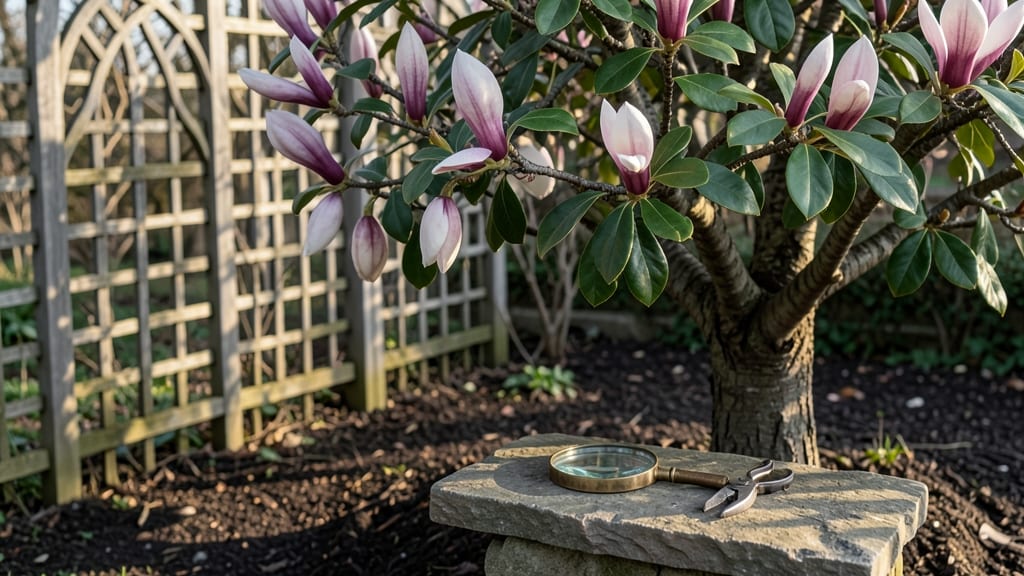
Botanical gardens reciprocity programs let you visit multiple participating gardens for free or at a discount using your membership or reciprocal pass from one location, creating a network of access across different botanical collections.
This arrangement lets you explore diverse plant collections without paying full admission each time. For example, if you're a member of the New York Botanical Garden, you might get free entry to the Missouri Botanical Garden or the Chicago Botanic Garden.
Many programs are part of larger networks like the American Public Gardens Association, which coordinates these partnerships. 🌿 The key is always carrying your membership card or reciprocal pass—some gardens even offer digital versions through their apps for convenience.
What makes these programs especially valuable is the ability to experience different climates and plant zones in a single trip. Imagine visiting a desert garden in Arizona one day and a tropical conservatory in Florida the next—all with the same pass.
Just remember to check each garden's specific rules, as some may limit the number of reciprocal visits per year or require advance notice.
💡 In This Article
- How Botanical Gardens Reciprocity Programs Work
- Maximizing Benefits: Tips for Using Reciprocal Garden Passes
How botanical gardens reciprocity programs work
These programs operate through formal partnerships between botanical gardens, typically coordinated by organizations like the American Public Gardens Association (APGA). The APGA's Reciprocal Admission Program alone connects over 350 gardens across the U.S., making it one of the largest networks in the world.
Gardens sign mutual agreements where members or visitors from one institution receive free or discounted entry to participating partners. The mechanics involve verifying your membership status through standardized documentation—usually a physical card or digital pass that contains a unique identifier or QR code.
The documentation requirements vary slightly, but most gardens accept either a membership card from a participating institution or a reciprocal pass issued by the originating garden.
For example, the New York Botanical Garden provides a digital pass through its app that can be scanned at partner locations like the Missouri Botanical Garden. Physical cards often include holographic security features to prevent fraud.
Validity periods typically range from one day to one year, depending on the issuing garden's policies—some offer unlimited access for the duration of your membership, while others limit reciprocal visits to 3-5 per calendar year.
Restrictions often apply to ensure fair usage. Many gardens cap the number of reciprocal visits to prevent abuse, with some requiring advance notice for large groups (typically 10+ people).
Seasonal access is another common limitation—popular gardens like the Chicago Botanic Garden may restrict reciprocal entry during peak seasons (spring blooms or holiday events) unless you're a member of a higher-tier program.
Timeframes for validity also matter: a pass issued in June might expire by December unless it's an annual membership-based reciprocal agreement.
Here's what's actually happening behind the scenes: Gardens share visitor data through secure databases to verify eligibility. For instance, the APGA's system uses encrypted digital passes that can be validated instantly at partner locations. This streamlines the process while maintaining security.
The science of these agreements lies in their economic reciprocity—gardens benefit from increased foot traffic without bearing the full cost of additional admissions. For visitors, it creates a network effect where each garden visit unlocks access to others, similar to how loyalty programs work in retail.
Consider these key factors when planning your visits: Always confirm the exact validity period of your reciprocal pass—some expire after 30 days from issuance. Check if the garden requires advance registration for reciprocal visits, especially during weekends or special events.
For example, the Denver Botanic Gardens allows reciprocal entry but asks visitors to book a time slot online to manage crowd flow. Pro tip: Carry both a physical and digital copy of your pass to avoid technical issues at the gate.
What most people don't realize is how these programs unlock access to seasonal collections you might otherwise miss.
For instance, a reciprocal pass to the Fairchild Tropical Botanic Garden in Miami could grant you entry to their orchid show in February, while your home garden's membership might not cover out-of-season events.
The sensory rewards—like smelling 10,000 rare orchids in one conservatory or seeing desert cacti in a 100°F greenhouse—make the logistics worthwhile.
To maximize your experience, prioritize gardens with complementary collections. Pair a desert garden like the Desert Botanical Garden in Phoenix with a tropical one like Longwood Gardens in Pennsylvania for a full spectrum of plant diversity.
The key is planning: Use the APGA's interactive garden locator to map out routes and check which gardens offer reciprocal benefits in your region. This way, you're not just saving money—you're curating a botanical adventure tailored to your interests.