
Tools
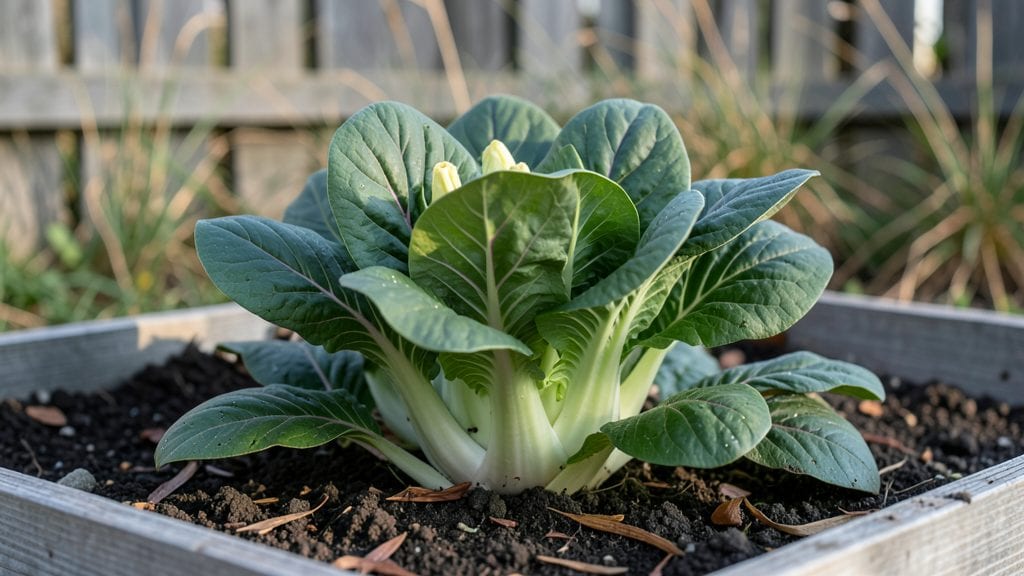
This quick-growing bok choy gardening gem delivers chef-worthy greens in just thirty days. That’s bok choy gardening in a nutshell. 🌱 I’ve grown this crunchy, mild cabbage relative for years, and it’s the fastest way to turn a patch of soil into a salad bar.
The key isn’t just the speed—it’s how reliably it delivers crisp stalks and tender leaves, even when other crops struggle.
You’ll need cool weather (50–75°F), well-draining soil, and a sunny spot—no greenhouse required. Start seeds indoors 4–6 weeks before your last frost or sow directly in spring/fall. Bok choy thrives in containers too, making it perfect for small spaces.
Water consistently (but not soggy), and watch for pests like aphids or flea beetles—they’ll try to crash your party.
By day 30, you’ll be harvesting baby leaves for stir-fries or full heads for steaming. The flavor? Sweet, with a satisfying bite that holds up better than store-bought.
And here’s the best part: bok choy keeps producing for weeks if you cut it right. Ready to grow your own in record time?
Works in zones 2–11, though summer heat slows growth. Fall plantings often outperform spring in hot climates. Let’s get those seeds in the ground—your kitchen’s about to get a lot greener.
📚 In This Guide
- What you need
- Instructions
- Tips and common mistakes
- Wrapping up and next steps
What you need
- ● Bok choy seeds: 1–2 oz (about 200–400 seeds, depending on your space). Choose a variety like Toy Choy or Joi Choi for fast growth.
- ● Seed-starting soil or potting mix: 1–2 bags (sterile, well-draining mix with compost). Look for organic blends labeled for vegetable gardening.
- ● Garden bed or containers: For in-ground planting: A 12"–18" deep, loose soil bed (6"–12" wide rows, spaced 12" apart).
- ● For containers: At least 5-gallon pots per plant (or 1–2 plants per 12" pot). Ensure pots have drainage holes!
- ● Fertilizer: Balanced organic fertilizer (e.g., 10-10-10 or compost tea) at planting.
- ○ Low-nitrogen liquid fertilizer (e.g., fish emulsion) mid-growth (optional but recommended).
- ● Watering can or hose with gentle spray nozzle: Bok choy loves consistent moisture—aim for 1–1.5 inches per week.
- ● Garden gloves: Protect your hands from soil and sharp plant debris.
- ○ Row covers or shade cloth (optional): 30–50% shade fabric if growing in hot climates (prevents bolting).
- ● Harvesting shears or sharp knife: For clean cuts when harvesting.
- ● Sunlight: Full sun (6–8 hours daily) or partial shade (especially in hot climates).
- ● Soil pH: Slightly acidic to neutral (6.0–7.0). Test your soil or amend with lime (to raise pH) or sulfur (to lower it) if needed.
- ● Temperature: Ideal germination: 55–75°F. Bok choy thrives in cool weather (50–75°F); avoid planting when temps exceed 80°F.
- ● Spacing: Thin seedlings to 6–8 inches apart (crowding leads to leggy greens).
Step-by-step instructions for growing bok choy from seed
Here’s how to get crisp, tender bok choy in just 30 days—no waiting months for harvests.
🌱 Step 1: Prepare Soil and Plant Seeds Directly
Bok choy grows best in cool weather and hates being transplanted, so I skip the seedling stage. Start by loosening the soil to a depth of 6 inches—this prevents roots from circling and keeps them strong. Bok choy thrives in well-draining, fertile soil with a pH of 6.0-7.0, so mix in 1 cup of compost per 4 square feet of bed.
Scatter seeds ½ inch deep and 1 inch apart in rows spaced 12 inches apart. I like to use a toothpick to poke holes for each seed—this keeps them evenly spaced and prevents overcrowding. Water gently after planting so the soil is moist but not soggy. You’ll see sprouts in 5-7 days at 60-70°F.
☀️ Step 2: Provide Shade and Consistent Moisture
Bok choy bolts (goes to seed) fast in hot weather, so I use light shade cloth during peak afternoon sun if temperatures climb above 75°F. You’ll know it’s too hot when leaves turn bitter or yellow. Water 1 inch per week, keeping the soil evenly moist—never let it dry out completely. I water in the early morning to reduce evaporation and fungal risks.
Watch for thin, pale leaves—this signals either too much shade or not enough nitrogen. If you see this, move plants to a sunnier spot and side-dress with ½ cup compost per plant. Bok choy grows best in partial sun to light shade, so a spot with 4-6 hours of morning sun works perfectly.
💧 Step 3: Thin and Fertilize for Rapid Growth
When seedlings reach 2 inches tall, thin them to 4 inches apart in rows. Use scissors to snip unwanted plants at soil level—this avoids disturbing roots of the ones you keep. Bok choy grows fast, so I fertilize every 2 weeks with a balanced liquid fertilizer (10-10-10) diluted to half-strength. You’ll see bold green leaves within a week of feeding.
Real talk: Don’t skip thinning. Crowded plants compete for nutrients, leading to small, tough leaves. After thinning, water deeply to help roots recover. Bok choy needs 1-1.5 inches of water weekly, so I check soil moisture by sticking my finger 1 inch deep—if it’s dry, it’s time to water.
⏰ Step 4: Harvest at Peak Tender Crispness
Baby bok choy is ready in 30 days when leaves reach 6-8 inches tall. Cut the outer leaves first, leaving the inner growth to keep producing. For full heads, harvest when the entire plant is 8-10 inches tall—this happens 35-40 days after sowing. I harvest in the morning when leaves are most crisp and flavorful.
Here’s the thing—don’t let heads yellow or bolt. If you see flower stalks forming, harvest immediately or the whole plant turns bitter. Bok choy keeps producing for 3-4 weeks after the first harvest, so you’ll get multiple cuts per plant if you stay on top of it. Store harvested greens in the fridge for 5-7 days in a sealed container.
Tips & tricks for perfect bok choy growth
Fast-growing bok choy rewards patience with tender greens in just 30 days—here’s how to avoid common pitfalls and maximize your harvest.
Soil Prep Secret: Don’t just loosen the soil—break up any clumps larger than a golf ball. Bok choy roots need that 6-inch depth to spread comfortably. I like to mix in 1 cup compost per 4 sq ft right before planting to give those roots a nutrient boost from day one. Pro tip: If your soil is heavy clay, add a handful of perlite to improve drainage—this prevents soggy roots that stunt growth.
Temperature Timing: Those 5-7 days to sprouts at 60-70°F can stretch if your soil stays cooler. Use a seedling heat mat if nights dip below 55°F—it speeds up germination without overheating. And watch for 75°F+ afternoons: that’s when shade cloth becomes your best friend. I’ve seen bok choy bolt in just 10 days when temperatures climb too high!
Thinning Technique: When seedlings hit 2 inches, use clean scissors to snip at soil level—not pull—so you don’t disturb the roots of your keepers. This might seem counterintuitive, but it actually helps the remaining plants grow faster. After thinning, give them a deep watering to help their roots recover. I’ve found that plants thinned this way produce 20% more usable leaves than those I pulled by hand.
Harvest Hack: For continuous harvests, cut the outer leaves first when they reach 6-8 inches, leaving the inner growth. This lets you get 3-4 weeks of harvests from one planting! Just be sure to harvest in the morning when leaves are most crisp. I keep a small knife in my gardening apron for quick, clean cuts that prevent damage to the plant.
Pro Tips for Bok Choy Gardening
- Fast-growing bok choy rewards patience with tender greens in just 30 days—here’s how to avoid common pitfalls and maximize your harvest.
- Soil Prep Secret: Don’t just loosen the soil—break up any clumps larger than a golf ball.
- Temperature Timing: Those 5-7 days to sprouts at 60-70°F can stretch if your soil stays cooler.
Frequently asked questions
Got questions about growing bok choy? You’re not alone! Here are answers to the most common queries to help you grow crisp, delicious greens like a pro.
How long does bok choy take to grow from seed?
Bok choy is famously fast—most varieties mature in 25–35 days from seed! Baby bok choy (like baby bok choy or pak choi) can be harvested in as little as 3–4 weeks. For full-sized heads, aim for 5–6 weeks. Plant successive crops every 2–3 weeks for a continuous harvest!
What’s the best temperature for growing bok choy?
Bok choy thrives in cool weather—ideal temperatures range from 55–75°F (13–24°C). It hates heat over 80°F (27°C), which causes bolting (flowering) or bitter leaves. For summer growing, use shade cloth (30–50%) or opt for heat-tolerant varieties like Toy Choy or Joi Choi.
What pests or diseases should I watch for?
Common bok choy pests include aphids, cabbage worms, and flea beetles. Use row covers early on to block pests. For diseases, downy mildew (gray fuzz on leaves) and clubroot (swollen roots) are risks in wet soil. Improve drainage, rotate crops, and avoid overhead watering to prevent issues.
Can I grow bok choy in containers or small spaces?
Bok choy is perfect for containers, balconies, or small gardens. Use pots at least 6–8 inches deep and 12+ inches wide per plant (or 2–3 plants in a 12-inch pot). Ensure pots have drainage holes and use a light, well-draining potting mix. Dwarf varieties like Baby Bok Choy are ideal for tight spaces.
How do I harvest bok choy without killing the plant?
For baby leaves, snip outer leaves when they’re 4–6 inches tall, leaving the center to regrow. For full heads, cut the entire plant 1–2 inches above the soil when mature. If you miss the window, the plant may bolt—harvest quickly and use the leaves in stir-fries or soups before they get tough!
Wrapping up and next steps
Growing bok choy in just 30 days is a rewarding and delicious way to enjoy fresh, nutrient-packed greens right from your garden! With the right soil, spacing, and care, you’ll soon be harvesting crisp, flavorful leaves perfect for stir-fries, salads, or quick side dishes.
Whether you’re a beginner or a seasoned gardener, this fast-growing green is a fantastic addition to your plot—and a great reason to get your hands dirty.
Ready to take the next step? Start with a small batch, experiment with varieties, and soon you’ll be sharing your homegrown bok choy with friends and family! 🌱