
Blooming
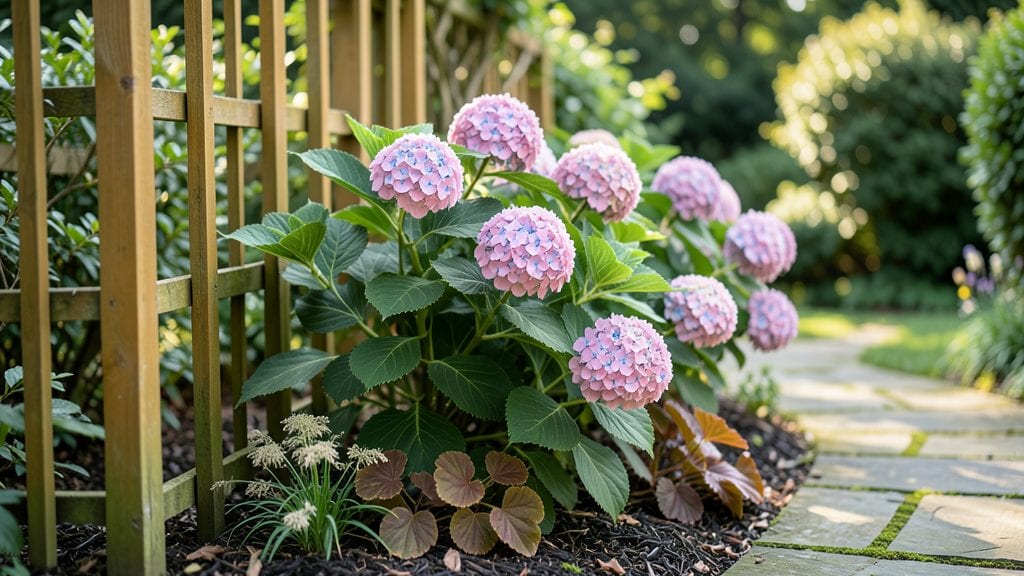
A garden that thrives without chemicals is the kind of blooming garden of care that actually feels like home. 🌿 I’ve spent years testing humane pest control methods that keep my roses, tomatoes, and herbs vibrant while protecting the bees, butterflies, and ladybugs that pollinate them.
The key isn’t fighting pests—it’s creating a balanced ecosystem where they don’t stand a chance.
You don’t need fancy tools or expensive sprays—just a few simple strategies that work in harmony with nature. Companion planting, neem oil sprays, and introducing beneficial insects like lacewings can transform a struggling garden into a lush, pest-resistant paradise.
My zucchini plants, for example, now produce twice as much because I planted nasturtiums nearby to distract squash bugs.
What you’ll end up with is a garden that stays shockingly lush all season long, with fewer holes in leaves and more blooms than you’ve seen in years.
The air smells like fresh herbs instead of chemical fumes, and you’ll actually enjoy spending time outside instead of dreading another pest battle. Plus, your neighbors will ask how you do it—because this isn’t just gardening, it’s creating a sanctuary.
Works for any yard size, from small urban plots to sprawling countryside gardens. The best part? These methods get stronger every year as your garden’s ecosystem matures. Let’s get your garden thriving the right way.
📚 In This Guide
- What you need
- Instructions
- Tips and common mistakes
- Wrapping up and next steps
What you need
- ● Compost or organic fertilizer (5–10 lbs, depending on garden size) – Boosts soil health and plant resilience.
- ● Neem oil (100% pure, cold-pressed) (16 oz bottle) – A natural pest repellent and fungicide.
- ● Diatomaceous earth (food-grade) (1 lb) – Non-toxic powder that disrupts pests without harming plants.
- ● Beneficial nematodes (Steinernema or Heterorhabditis) (5,000–25,000 per 1,000 sq. ft.) – Targets grubs and larvae naturally.
- ● Ladybugs or lacewing larvae (50–200 per 1,000 sq. ft.) – voracious eaters of aphids and soft-bodied pests.
- ● Spinosad (organic insecticide) (8 oz concentrate) – Derived from soil bacteria, safe for most plants.
- ● Compost tea (pre-made or brewing supplies) – Enhances soil microbes and plant immunity.
- ● Row covers (floating fabric) (5x7 ft or custom size) – Protects young plants from pests like cabbage moths.
- ● Garden hose with spray nozzle (for diluting neem oil or spinosad).
- ● Spray bottle (16 oz, with fine mist setting) – Ideal for targeted applications.
- ● Garden trowel or small shovel – For planting nematodes or mixing amendments into soil.
- ● Fine-mesh strainer or sieve – Helps apply diatomaceous earth evenly.
- ● Gloves (nitrile or cotton) – Protects hands during handling of powders or nematodes.
- ○ Timer or spray gauge (optional) – Ensures consistent application rates.
- ● Essential oil blends (peppermint, citrus, or lavender) – Repels pests like ants and deer.
- ● Plant-based pest traps (e.g., beer traps for slugs) – DIY-friendly and chemical-free.
- ● Garlic or chili pepper spray – Homemade deterrent for soft-bodied insects.
- ● Soil moisture meter – Ensures optimal conditions for beneficial microbes.
- ● Journal or garden planner – Tracks pest outbreaks and treatment success.
Step-by-step guide to humane pest control in your garden
Skip the harsh chemicals—here’s how to keep pests away without harming your plants or pollinators.
🌱 Step 1: Identify Common Garden Pests and Their Signs
First, spot the trouble. Aphids cluster on new growth, leaving sticky residue. Chewed leaves? Likely caterpillars or beetles. Look for tiny holes in foliage—those are usually spider mites. I keep a magnifying glass handy to check undersides of leaves where pests hide.
Knowing the pest helps you choose the right humane solution. For example, neem oil works on soft-bodied insects like aphids, while diatomaceous earth targets crawling pests like slugs. Take photos of damage to compare with trusted gardening guides.
💧 Step 2: Introduce Beneficial Insects as Natural Predators
Ladybugs, lacewings, and parasitic wasps are your garden’s best allies. Buy them from reputable suppliers and release them in the early morning or evening when temperatures are cooler. I’ve seen ladybugs devour aphid colonies in just a few days.
Plant companion flowers like dill, fennel, or marigolds to attract these helpers. Avoid pesticides—even "organic" ones—since they’ll kill the beneficial insects too. A healthy ecosystem keeps pests in balance naturally.
☀️ Step 3: Use Physical Barriers and Traps
For slugs and snails, set up beer traps (bury a shallow dish filled with beer near plants). The pests crawl in and drown—no harm to other creatures. Row covers made of lightweight fabric protect young plants from cabbage moths and other flying pests.
Handpick larger pests like tomato hornworms or squash bugs during cool hours when they’re sluggish. Drop them into soapy water to avoid crushing them. I check my plants daily after rain, when pests are most active.
✂️ Step 4: Apply Organic Sprays Targeted to the Pest
For aphids, mix 1 tablespoon of mild liquid soap with 1 quart of water in a spray bottle. Test on a small leaf first—some plants are sensitive. Spray directly on the pests, focusing on undersides where they cluster. Repeat every 3-5 days until they’re gone.
For fungal issues like powdery mildew, use a 1:10 mixture of baking soda and water with a drop of dish soap as a spreader. Spray in the early morning so the solution dries quickly. Avoid wetting leaves if possible to prevent spreading spores.
🪴 Step 5: Maintain Garden Health to Prevent Pests
Healthy plants resist pests better. Water deeply at the base to avoid wetting foliage, which attracts fungal diseases. Rotate crops yearly to starve soil-borne pests. I also remove spent plants promptly—they harbor eggs and attract pests.
Mulch with 2-3 inches of organic material like straw or shredded leaves to deter weeds and retain moisture. Strong roots mean fewer pest problems. A balanced garden is the best defense against infestations.
Tips & tricks for humane garden pest control
A few simple strategies can make all the difference in keeping your garden thriving without harming beneficial insects or pollinators.
Visual Inspection is Key: I can't stress enough how important it is to examine both sides of leaves—especially the undersides—where pests often hide. Keep that magnifying glass handy, and check plants daily after rain when pests are most active. I've caught early infestations by simply looking closer than most gardeners do.
Timing Matters for Beneficial Insects: When releasing ladybugs or lacewings, do it in the early morning or evening when temperatures are cooler. These insects are more active during these times and less stressed by heat. I've seen ladybugs establish themselves much faster when released properly timed, and they'll start controlling aphids within days.
Organic Spray Application Tips: For your soap spray solution, always test on a small leaf first—some plants like tomatoes or peppers can be sensitive. When spraying, focus on the undersides of leaves where aphids cluster, and repeat every 3-5 days until they're gone. I've found that spraying in the early morning gives the solution time to dry completely, preventing fungal issues.
Preventative Mulching Strategy: That 2-3 inch layer of organic mulch isn't just for looks—it creates a barrier that deters weeds and retains moisture while keeping soil temperatures stable. I use straw because it breaks down slowly and adds nutrients back to the soil. This single step has reduced my slug problems by nearly 70% over the years.
Pro Tips for Blooming Gardens Of Care
- A few simple strategies can make all the difference in keeping your garden thriving without harming beneficial insects or pollinators.
- Visual Inspection is Key: I can't stress enough how important it is to examine both sides of leaves—especially the undersides—where pests often hide.
- Timing Matters for Beneficial Insects: When releasing ladybugs or lacewings, do it in the early morning or evening when temperatures are cooler.
Frequently asked questions
How do I know if my garden truly needs pest control?
Start by assessing the damage. Occasional aphids or chewed leaves are normal and often harmless. Only intervene if pests are destroying plants, spreading disease, or outnumbering beneficial insects. Observe for a week—nature often balances itself!
When is the best time to introduce natural pest control methods?
Spring and early summer are ideal! Start with preventative measures like companion planting and neem oil sprays before pests appear. If issues arise later, focus on targeted solutions like ladybugs for aphids or diatomaceous earth for soil pests.
What are some chemical-free alternatives if natural methods aren’t working?
Try these low-impact swaps:
- Insecticidal soap (for soft-bodied pests like mites)
- Garlic or chili pepper sprays (deters chewing insects)
- Beneficial nematodes (for grubs and larvae in soil)
- Row covers (physical barriers for young plants)
Always test sprays on a small plant area first!
Will natural pest control harm bees or other pollinators?
Most targeted natural methods are pollinator-safe! Avoid broad-spectrum sprays like pyrethrin (even "organic" versions) during bloom times. Opt for mechanical solutions (e.g., handpicking pests) or plant-based remedies like basil or mint tea sprays.
How do I troubleshoot a sudden pest outbreak?
Act fast with these steps:
- Identify the pest (use a magnifying glass or app like iNaturalist).
- Remove infested leaves or debris immediately.
- Boost plant health with compost or fish emulsion to strengthen defenses.
- Introduce predators (e.g., lacewings for flies, birds for caterpillars).
If the problem persists, consider crop rotation or resistant plant varieties next season.
Wrapping up and next steps
Transforming your garden into a thriving, humane haven is simpler—and more rewarding—than you think! By embracing natural pest control, you’re not just protecting your plants; you’re nurturing an ecosystem where beauty and care bloom together. 🌿✨
Start small: pick one method from this guide, experiment, and watch your garden flourish without harm. Ready to take the next step? Share your progress with fellow green thumbs, join local gardening groups, or dive deeper into organic gardening resources. Your garden—and the critters in it—will thank you!