Tools
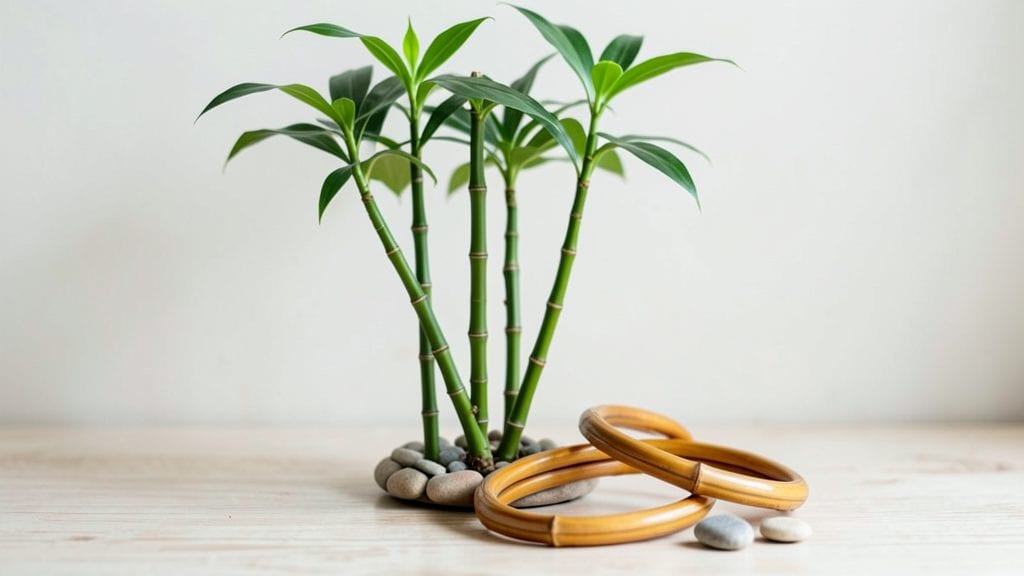
My bamboo hoops garden transformed a boring corner into a lush vertical jungle where tomatoes, cucumbers, and beans climb toward the sky. 🌱 The modular trellis system lets you stack hoops in any arrangement, creating layers of edible greenery where space was once wasted.
It’s not just functional—it’s the kind of garden feature that makes neighbors stop and ask questions.
You don’t need fancy tools or carpentry skills to build this. A few bamboo hoops, some sturdy stakes, and basic twine are all it takes to create a sturdy, customizable trellis. The best part?
You can start small with just a couple of hoops and expand as your plants grow. It’s perfect for small yards, balconies, or even indoors near a sunny window.
Imagine snapping fresh cherry tomatoes straight from the vine, harvesting cucumbers that dangle like nature’s chandeliers, and watching morning glories twine through the hoops at dawn. This system keeps plants healthy by improving airflow and reducing disease, while the vertical design maximizes your growing space without sacrificing beauty.
Whether you’re training vines, creating a privacy screen, or just adding artistic flair, bamboo hoops adapt to any garden style. They’re lightweight, affordable, and easy to move—so you can rearrange your space as your garden evolves. Let’s get those hoops planted!
📚 In This Guide
- What you need
- Instructions
- Tips and common mistakes
- Wrapping up and next steps
What you need
- ● Bamboo hoops: 4–12 hoops (depending on size; 18–24 inches in diameter for standard vining plants like cucumbers or beans). Opt for thick-walled, untreated bamboo (½-inch or thicker) for durability.
- ● Garden twine or jute twine: 50–100 feet (for securing hoops and plants). Biodegradable options are eco-friendly!
- ● PVC pipes or wooden stakes: 4–8 pieces (½–1 inch in diameter, 3–4 feet long) to anchor hoops vertically.
- ● Heavy-duty zip ties or wire: 20–30 pieces (for securing hoops to stakes).
- ● Potting soil: 2–4 bags (high-quality, well-draining mix for containers).
- ● Container or planter: A long, shallow tray (e.g., 12–18 inches deep) or repurposed pallet with a waterproof liner.
- ● Drill or screwdriver: For pre-drilling holes in hoops/stakes (if needed).
- ● Measuring tape & pencil: To mark spacing (hoops should be 12–18 inches apart).
- ● Scissors or wire cutters: For trimming twine or wire.
- ○ Optional upgrades: Watering can with a long spout for easy top-watering.
- ● Drip irrigation kit for low-maintenance hydration.
- ● Decorative fabric or burlap to mask the container (if aesthetics matter!).
- ● Sunny spot! 6+ hours of sunlight daily for most edible vines.
- ● Basic DIY skills (or a friend to help—teamwork makes the garden grow!).
- ● Patience for bamboo to cure (soak hoops in water for 24 hours before use to prevent warping).
Step-by-Step instructions for building a bamboo hoops garden
Transform your space with this simple, customizable vertical garden system that maximizes growing area in minimal footprint.
🪴 Step 1: Gather and Prepare Your Bamboo Hoops
Start by selecting 4-foot tall bamboo poles with a diameter of about 1-2 inches—they should be straight and free of cracks. Cut each pole into 2-foot sections using a handsaw or miter box. I like to sand the cut edges lightly to prevent splinters and make them safer to handle.
For each hoop, you'll need two 2-foot bamboo sections. Use a bamboo hoop jig or improvise with two sturdy boards spaced 18 inches apart to create a perfect circle. Secure the bamboo sections at the top and bottom with zip ties or bamboo lashing cord, pulling tightly to form a 16-inch diameter hoop. This size gives you plenty of growing space while keeping the structure stable.
🌱 Step 2: Assemble the Modular Trellis Frame
Build a rectangular base frame using 2x4 lumber cut to 4 feet long and 3 feet wide. Assemble the frame with deck screws or galvanized nails, ensuring all corners are square. This base will support the weight of the hoops and plants once installed.
Attach the bamboo hoops vertically to the frame using heavy-duty zip ties or bamboo lashing cord, spacing them 12 inches apart along the length of the frame. I like to position the hoops in two rows of two, creating a 2x2 grid for balanced weight distribution. Double-check that each hoop stands upright and doesn’t wobble—this ensures stability as plants grow.
💧 Step 3: Install Drip Irrigation and Planting Fabric
Lay landscape fabric over the frame to prevent soil from falling through the hoops. Secure it tightly with staple gun or landscape staples, ensuring it covers the entire surface without gaps. Next, thread drip irrigation tubing along the top edge of the frame, spacing emitters 12 inches apart to ensure even water distribution.
Connect the tubing to a water source and test the system by running water for 5 minutes. Adjust emitter flow so water drips slowly and evenly—this prevents runoff and keeps roots consistently moist. I like to add a small reservoir bag at the top to collect excess water for reuse.
☀️ Step 4: Fill with Growing Medium and Plant
Fill the frame with a lightweight potting mix blended with perlite for drainage. I use about 3 cubic feet of mix per frame, spreading it evenly over the landscape fabric. Press down lightly to settle the soil but avoid compacting it—you want roots to penetrate easily.
Plant fast-growing vining plants like cucumbers, pole beans, or nasturtiums at the base of each hoop, training their tendrils upward as they grow. For a layered effect, add self-clinging ivy or morning glories to the hoop edges. Water thoroughly after planting to help roots establish, then maintain a consistent moisture schedule—about 1 inch of water per week during dry spells.
✂️ Step 5: Maintain and Expand Your Vertical Garden
Prune plants regularly to encourage bushier growth and prevent overcrowding. I like to trim back leggy vines every 2-3 weeks to redirect energy into fruit or flower production. For a multi-season garden, replace annuals with cool-season crops like kale or spinach in early fall.
To expand, simply add more hoops to the existing frame or create a second unit. The modular design lets you customize height and width based on your space. Watch your garden transform as vines climb and fill the vertical space—you’ll love how it maximizes harvests in a small footprint!
Tips & tricks for perfect bamboo hoops garden
Building a sturdy, functional bamboo hoops garden takes a few key tricks to avoid common pitfalls and maximize your vertical growing space.
Bamboo Selection Tip: Look for poles that are straight and have a slight natural curve—this helps them hold their shape better when bent into hoops. Avoid poles with visible cracks or knots, as these can weaken the structure. If you're working with green bamboo, let it dry for a few weeks before building to prevent warping as it dries. I always test a few hoops first to see how they bend before committing to the full project.
Frame Stability Secret: When assembling your 4-foot by 3-foot frame in Step 2, reinforce the corners by adding diagonal braces made from scrap 2x4 lumber. This extra support prevents wobbling, especially as plants grow heavier. I also recommend using galvanized nails instead of screws for the frame assembly—they're less likely to loosen over time from temperature changes.
Irrigation Test: That 5-minute test run in Step 3 is crucial! Run the water at least twice before planting to check for leaks or uneven flow. I like to place a tray underneath during testing to catch any drips and spot potential issues. If you notice water pooling in certain areas, adjust the tubing or emitter spacing—even distribution is key for healthy roots.
Planting Layering: For maximum vertical impact, plant your fastest-growing vines (like cucumbers) at the center of each hoop where they'll have the most support. Place slower-growing plants (like morning glories) at the edges where they'll have access to sunlight. This creates a beautiful layered effect while ensuring all plants get the support they need as they climb.
Pro Tips for Bamboo Hoops Garden
- Building a sturdy, functional bamboo hoops garden takes a few key tricks to avoid common pitfalls and maximize your vertical growing space.
- Bamboo Selection Tip: Look for poles that are straight and have a slight natural curve—this helps them hold their shape better when bent into hoops.
- Frame Stability Secret: When assembling your 4-foot by 3-foot frame in Step 2, reinforce the corners by adding diagonal braces made from scrap 2x4 lumber.
Frequently asked questions
How long does it take for plants to grow on bamboo hoops?
Growth speed depends on your climate and plant type! Fast-growing vines like pole beans or cucumbers may climb within 2–4 weeks, while slower climbers like squash or melons take 4–8 weeks. Start with quick-climbing varieties for instant gratification!
Can I reuse bamboo hoops for multiple growing seasons?
With proper care, bamboo hoops can last 3–5 years. After harvest, clean them with a vinegar-water mix (1:1 ratio), dry thoroughly, and store in a shaded area. Avoid leaving them soaked to prevent rot.
Are bamboo hoops cheaper than traditional trellises?
Yes! Bamboo hoops cost $5–$15 each (vs. $20–$50+ for metal or PVC trellises), and they’re easy to DIY with scrap bamboo. Plus, they’re lightweight, portable, and biodegradable—win-win for eco-friendly gardeners!
What if my plants aren’t climbing properly?
No worries! If vines lag, try tying them gently with soft twine or weaving them through the hoops. For stubborn plants, prune competing side shoots to focus energy upward. Morning glories or sweet peas are great for beginners—they climb like pros!
What’s a good alternative if bamboo isn’t available?
No bamboo? No problem! Try woven willow stakes, pvc pipes, or even repurposed wire hangers (bend into hoops). For a rustic look, branches or twigs tied into a lattice work too—just ensure they’re sturdy enough to support weight!
Wrapping up and next steps
Transforming your garden into a lush, edible vertical haven is simpler—and more rewarding—than you think! With a bamboo hoops garden, you’ve got a sustainable, space-saving solution that turns walls, fences, or even balconies into thriving green layers. Whether you’re a seasoned gardener or just starting out, this modular trellis opens doors to creativity, efficiency, and a bountiful harvest.
Ready to take the next step? Start small—grab a few hoops, some climbing plants, and let your green thumb shine! 🌱 And if you’re feeling inspired, why not share your progress or tag us in your bamboo hoops garden adventure? Happy growing!