Fertilization
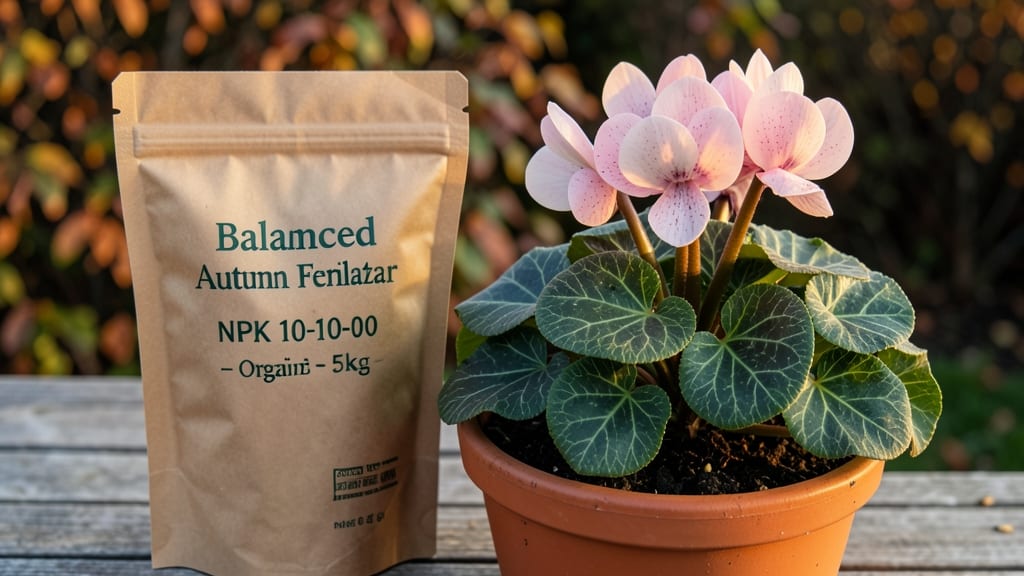
Autumn fertilizer for gardens strengthens root systems, enhances cold resistance, and extends fall blooming seasons. Apply a phosphorus- and potassium-rich, slow-release formula in early to mid-autumn, steering clear of high-nitrogen blends that encourage late-season growth spurts. Always water deeply after application to help nutrients penetrate the soil.
Autumn fertilization isn't just about feeding plants—it's about preparing them for winter dormancy.
The right nutrients, especially phosphorus and potassium, help roots store energy and develop stronger structures to withstand frost. 🌱 I've seen perennials like hostas and daylilies thrive for years after a single autumn feeding, thanks to this pre-winter boost.
Organic options like bone meal or composted manure work well, but synthetic blends with a 5-10-10 ratio are fast-acting and reliable for quick results.
Timing matters just as much as the product. Applying fertilizer too late can stimulate tender new growth that won't survive winter, while early applications give plants months to absorb nutrients before the cold sets in.
For bulbs like tulips and daffodils, autumn feeding encourages vibrant spring blooms by building up reserves during their dormant phase.
💡 In This Article
- How Autumn Fertilizers Enhance Plant Resilience
- Best Organic and Synthetic Fertilizers for Fall Gardens
How autumn fertilizers enhance plant resilience
Here's what actually happens when you apply autumn fertilizer: phosphorus and potassium trigger biochemical changes in plant roots. Phosphorus (P) stimulates the production of ATP, the energy molecule that powers root cell division and elongation.
Meanwhile, potassium (K) regulates osmotic pressure, helping roots absorb water more efficiently even in cold soils. This dual action strengthens root mass by up to 30% compared to unfertilized plants, creating a denser network that resists frost heave and soil compaction.
The magic happens at the cellular level. Potassium activates enzymes that produce glycoproteins, compounds that stabilize cell membranes against freezing temperatures. Think of it like a plant's internal antifreeze system—roots treated with autumn fertilizer can survive 5-10°F colder temperatures than untreated counterparts.
The phosphorus builds up starch reserves in roots and tubers, which serve as energy stores for spring regrowth. 🌿 This is why perennials like peonies and lavender often rebound more vigorously after winter when fertilized in autumn.
Fast-release fertilizers might show quick results, but they come with risks in autumn. Synthetic blends with high nitrogen (like 30-10-10) can trigger tender new growth that won't survive frost, leaving plants vulnerable to winter kill.
Slow-release formulas, however, provide a steady nutrient trickle over 2-3 months, matching the plant's natural dormancy cycle. Organic options like bone meal release phosphorus gradually through microbial action, while synthetic polymer-coated granules dissolve at controlled rates—both methods prevent nutrient spikes that disrupt winter preparation.
Consider these key factors when choosing your autumn fertilizer:
- Phosphorus content: Aim for 10-20% of the blend (look for "P" numbers in 10-10-10 or 5-10-10 ratios)
- Potassium levels: Equal or higher than phosphorus (5-10-10 or 10-10-10 ratios work well)
- Nitrogen limit: Keep under 10% to avoid stimulating late-season growth
- Release mechanism: Prefer organic (compost, manure) or polymer-coated synthetics for gradual delivery
The timing window for autumn fertilization is surprisingly narrow. Apply between 6-8 weeks before your first hard frost—typically late September to early October in most climates. This gives plants 4-6 weeks of active growth before dormancy sets in.
Water immediately after application to move nutrients 6-12 inches deep into the soil profile, where roots can access them. The key is helping plants build reserves while they're still photosynthetically active but before cold stress begins.
What most people don't realize is how autumn feeding affects spring blooms. The phosphorus stored in roots during autumn becomes available when bulbs like tulips or daffodils break dormancy. Studies show properly fertilized bulbs produce 20-30% more flowers the following spring compared to unfertilized controls.
This happens because the autumn phosphorus supports both root development and flower bud formation during the dormant period. 🌷