Pests and Diseases
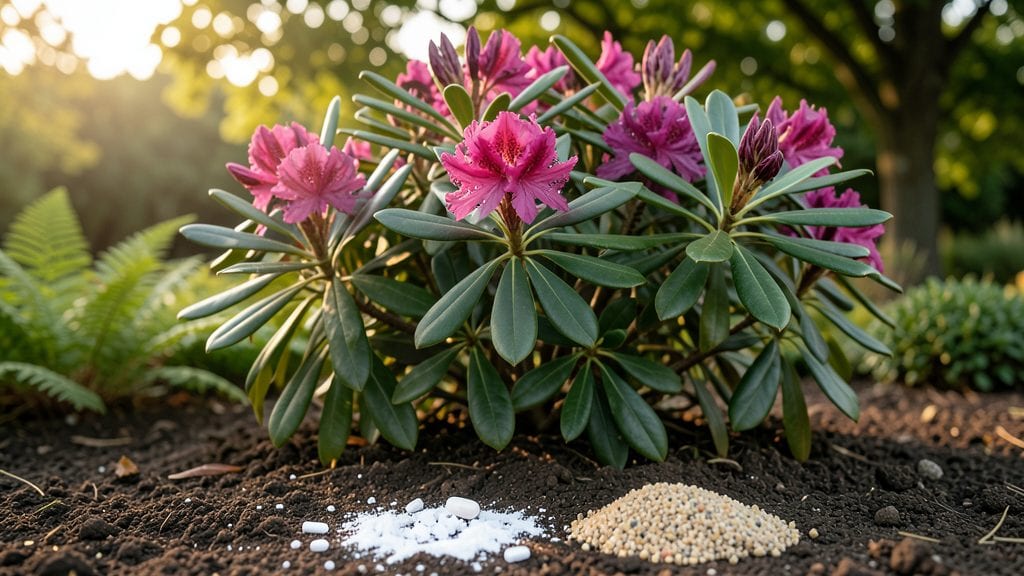
Using aspirin for garden pests involves mixing crushed tablets with water (1-2 tablets per gallon) to create a natural fungicide or pest repellent, especially effective against powdery mildew, aphids, and spider mites on roses, tomatoes, and peppers.
Aspirin's active ingredient, salicylic acid, acts as a plant defense trigger, mimicking natural signals that help plants resist fungal infections like powdery mildew. 🌱 Unlike harsh chemicals, this solution is gentle yet effective, making it ideal for organic gardens.
I’ve found it works best when sprayed directly on affected leaves—just avoid overwatering, as too much can stress plants. For extra potency, some gardeners add a dash of dish soap to help the mixture stick to foliage.
This method isn’t just for vegetables—it’s a game-changer for houseplants and ornamental shrubs too. The key is consistency: reapply every 7-10 days during outbreaks, and always use fresh aspirin (old tablets lose potency).
For heavy infestations, you can double the tablet count, but test on a small leaf first to check for sensitivity.
💡 In This Article
- How Aspirin Fungicide Works in Plant Protection
- Best Plants and DIY Aspirin Spray Recipes
How aspirin fungicide works in plant protection
Here's what's actually happening when you spray aspirin solution on plants: the active ingredient, salicylic acid, triggers the plant's natural defense system. This compound mimics the plant's own signaling molecules that activate when under attack from fungi or pests.
When applied, salicylic acid binds to specific receptors in plant cells, stimulating the production of protective proteins and antifungal compounds. Think of it like giving your plants a natural immune booster shot—it doesn't kill the pathogens directly but makes the plant stronger to fight them off.
The key mechanism against fungal infections like powdery mildew involves salicylic acid disrupting the fungal spores' ability to germinate and spread. Studies show it can reduce fungal growth by up to 70% when applied preventatively.
Unlike synthetic fungicides that often contain copper or sulfur (which can build up in soil), aspirin solution breaks down completely, leaving no harmful residues. The solution's mild acidity also creates an unfavorable environment for fungal spores to thrive, similar to how vinegar works but without the harshness.
When comparing to other natural remedies, aspirin stands out for its targeted action. Neem oil works by smothering pests and disrupting their life cycles, while baking soda creates an alkaline environment that inhibits fungal growth.
Aspirin, however, specifically activates the plant's internal defenses—this is why it's particularly effective against rust diseases and leaf spot infections, where other methods might fail. The difference is like choosing between a broad-spectrum antibiotic (neem) versus a vaccine (aspirin) for your plants.
What most people don't realize is how the concentration affects efficacy. While the standard 1-2 tablets per gallon works for most plants, roses and peppers often need the stronger end of this range due to their susceptibility to fungal diseases.
The solution's pH (around 4.5-5.5) is crucial—too acidic and it can damage tender leaves, while too alkaline reduces effectiveness. This is why testing on a small leaf first is always recommended, especially for sensitive varieties like ferns or caladiums.
For maximum effectiveness, timing matters too. Salicylic acid works best when applied at dawn or dusk when humidity is high but temperatures are moderate (ideally 60-75°F). This allows the solution to absorb slowly without evaporating quickly.
The visual difference is striking: treated plants show new growth with fewer lesions within 5-7 days, while untreated plants in the same conditions continue to decline. 🌿
One advanced technique is combining aspirin with 1 teaspoon of honey per gallon, which adds an extra layer of protection by attracting beneficial insects that prey on pests. The honey also helps the solution adhere better to waxy leaf surfaces.
This combo works particularly well for tomatoes and peppers, which are prone to both fungal and insect attacks. The honey-aspirin mix creates a sticky barrier that traps small pests while the salicylic acid keeps fungal spores at bay.
Remember: the magic isn't in the aspirin itself but in how it awakens your plants' natural defenses. This makes it safer for edible plants right up to harvest (unlike many chemical fungicides with mandatory waiting periods).
For organic gardeners, it's one of the few solutions that works at the cellular level without harming beneficial insects or soil microbes. 🌱