
Vegetables
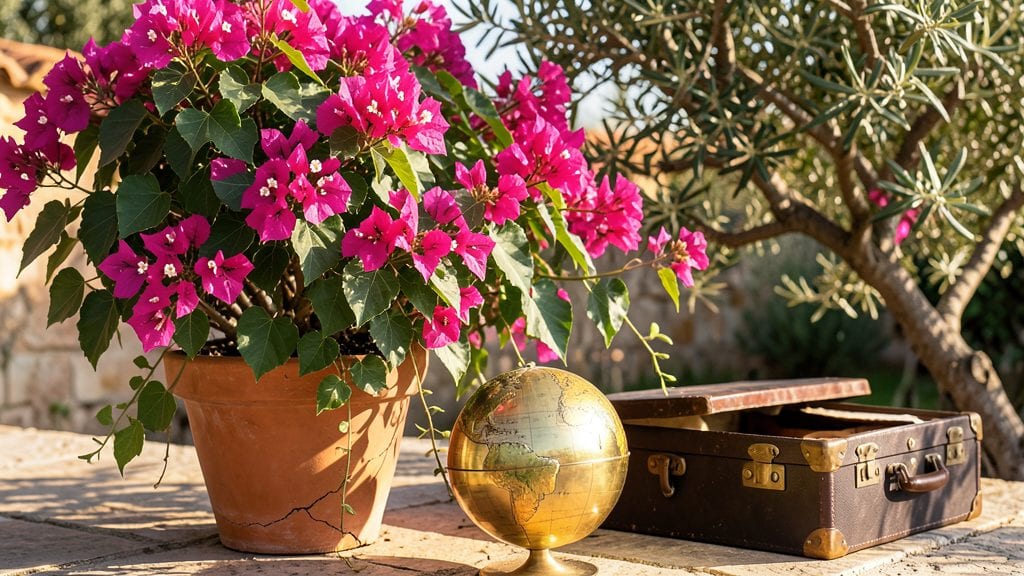
Creating a garden that spans continents in just one plot is easier than you think. 🌍 This "Around the World in 80 Gardens" concept transforms a small space into a vibrant journey through global landscapes, blending climates and cultures into one cohesive design.
Imagine Mediterranean herbs climbing trellises beside Japanese maples, while tropical banana plants share space with alpine rock gardens. The key lies in selecting plants with similar light and water needs—grouping sun-lovers together, shade plants in clusters, and using containers to mimic different climates.
A 6x6-foot plot can hold 20+ varieties if you prioritize compact, adaptable species.
You’ll end up with a garden that feels like a passport stamp for every season. The scent of rosemary from a Tuscan corner mingles with the delicate fragrance of jasmine from a Thai-inspired nook, while a Mexican sunflower adds height and color.
Each plant tells a story, and the result is a living tapestry that evolves with the seasons.
Perfect for urban balconies, suburban backyards, or even container setups on patios. The framework adapts to any climate—just swap heat-loving plants for cold-hardy alternatives. Ready to design your global garden?
📚 In This Guide
- What you need
- Instructions
- Tips and common mistakes
- Wrapping up and next steps
What you need
- ● Garden Plot: 1 raised bed or in-ground plot (4’ x 4’ or larger)
- ● High-quality potting soil (1–2 cubic yards, well-draining)
- ● Compost (5–10 gallons, for nutrient boost)
- ● Seeds & Plants: 10–15 seeds/plants of each: Cherry tomatoes (Italian)
- ● Thai basil
- ● Kale (Lacinato)
- ● Scarlet runner beans
- ● Cilantro (Corsican)
- ● Okra (Emerald)
- ● Shishito peppers
- ● Baby Bok Choy
- ● Swiss chard (Bright Lights)
- ○ Microgreens mix (optional)
- ● Tools: Hand trowel (1)
- ● Garden gloves (1 pair)
- ● Watering can (2–3 gallons) or drip irrigation kit
- ● Pruners (1)
- ● Measuring tape (1)
- ○ Optional (But Helpful!): Garden trellis (for beans/tomatoes)
- ● Organic fertilizer (balanced NPK, 10-10-10)
- ● Mulch (straw or wood chips, 2–3 bags)
- ● Garden journal (to track growth!)
Step-by-Step guide to designing a global-inspired micro-garden
Transform a small space into a passport-worthy garden with plants from every continent.
🌱 Step 1: Define Your Continental Zones
Divide your 4-square-foot plot into four equal quadrants, each representing a different region: Mediterranean, Asian, Latin American, and North American. I sketch a simple map on graph paper first—this helps visualize how plants will interact. For example, place drought-tolerant lavender and rosemary in the Mediterranean zone, where they’ll thrive with minimal water. In the Asian quadrant, tuck in delicate chives and shiso for subtle textures and flavors.
Real talk: Don’t overthink the layout. A loose grouping by climate needs works better than rigid borders. You’ll see how plants naturally lean toward or away from sunlight, which might prompt you to swap a few spots later. Label each section with a small wooden stake or pebble—trust me, you’ll forget which zone is which after a few weeks.
🪴 Step 2: Select Plants for Each Climate
For the Mediterranean zone, choose lavender, thyme, and oregano—they demand well-draining soil and full sun. In the Asian quadrant, opt for mint, shiso, and cilantro, which prefer slightly moist soil and partial shade. The Latin American corner is perfect for basil, cilantro, and Mexican tarragon, while the North American zone can host chives, dill, and parsley. I stick to herbs because they’re compact, flavorful, and easy to swap out seasonally.
Here’s the thing—avoid mixing plants with drastically different water needs. If your Mediterranean herbs wilt while your Asian mint stays soggy, you’ll end up with a sad, uneven plot. Group plants by their thirst levels: drought-tolerant together, moisture-lovers together. You’ll notice within a week which plants are thriving and which need adjusting.
☀️ Step 3: Prepare Soil and Plant with Precision
Amend the existing soil with 2 gallons of compost and 1 pound of perlite to improve drainage and aeration. Mix these into the top 6 inches of soil, focusing on the Mediterranean and North American zones first—they’re the most sensitive to texture. Use a hand trowel to loosen the soil without compacting it further. The goal is fluffy, crumbly soil that roots can easily penetrate.
Plant each herb 2-3 inches apart, following the spacing on their seed packets. Press the soil gently around the roots to eliminate air pockets, but don’t pack it down. Water deeply right after planting—1 gallon per quadrant—until the soil is 2 inches damp. This ensures roots establish quickly. If you’re using containers, fill them with potting mix instead and follow the same spacing rules.
💧 Step 4: Establish a Watering and Maintenance Routine
Water the Mediterranean and North American zones every 3-4 days, while the Asian and Latin American zones need daily moisture in hot weather. Check soil moisture by sticking your finger 1 inch deep—if it’s dry, water; if it’s damp, wait. I set a timer on my phone to remind me, because inconsistent watering is the fastest way to kill a micro-garden.
Fertilize lightly every 4-6 weeks with a balanced, organic fertilizer (like fish emulsion). Apply it to the soil surface, not the leaves, and water immediately afterward to prevent burn. Prune herbs regularly to encourage bushier growth—snip just above a set of leaves when you harvest. You’ll see new shoots emerge within 7-10 days, signaling healthy regrowth.
✂️ Step 5: Harvest and Rotate for Seasonal Flavor
Start harvesting 4-6 weeks after planting, once herbs reach 3-4 inches tall. Snip leaves in the morning when essential oils are most concentrated. For example, pick basil leaves just before they flower for the best flavor. Store harvested herbs in paper towels in the fridge—this keeps them fresher longer than plastic bags.
Every 2-3 months, swap out one or two plants to reflect seasonal flavors. Replace spring cilantro with summer basil, or add winter-friendly rosemary. This keeps the garden dynamic and ensures you’re always growing what’s freshest. You’ll love how the plot evolves—each season brings a new culinary adventure without needing extra space.
Tips & tricks for perfect global-inspired micro-gardens
Creating a thriving micro-garden that travels the world in just 4 square feet takes intentional planning—and these pro tips will help you avoid common pitfalls while maximizing flavor and growth.
Soil Science Matters: The 2 gallons of compost and 1 pound of perlite in Step 3 aren't just suggestions—they're non-negotiable for Mediterranean and North American herbs. These zones demand well-draining soil to prevent root rot. I've seen lavender and rosemary wilt dramatically when planted in regular garden soil. Mix the perlite thoroughly into the top 6 inches, especially in your Mediterranean quadrant, where water retention is critical. Think of it as creating a sandy beach environment for your drought-loving herbs.
Sunlight Strategy: Step 1 mentions full sun for Mediterranean herbs, but don't assume your space gets equal sunlight. Observe your plot throughout the day—most afternoons, the western side gets intense heat while the eastern side remains cooler. I adjust my layout seasonally: in summer, I rotate my Mediterranean herbs to face west for morning sun but afternoon shade, while keeping my Asian quadrant in consistent partial shade. A simple string with a plumb bob helps track sun exposure patterns before planting.
Watering Wisdom: The 3-4 day watering schedule for Mediterranean herbs in Step 4 can be tricky if you travel or forget. I install a simple drip irrigation system on a timer for these zones—just 10 minutes every 4 days keeps them perfectly hydrated without overwatering. For your moisture-loving Asian and Latin American zones, use a moisture meter ($15 at garden centers) to verify that 1-inch deep soil stays damp. The meter's accuracy saves me from both underwatering (which causes wilting) and overwatering (which leads to fungal issues).
Seasonal Rotation Hack: The 2-3 month rotation in Step 5 is your secret weapon for year-round flavor. I create a "seasonal swap chart" using index cards—one column lists current plants, another suggests replacements. For example, when cilantro bolts in summer heat, I replace it with heat-tolerant Mexican tarragon. Pro tip: Plant your seasonal replacements in small pots first to test their performance before committing to your main plot. This prevents costly mistakes when transitioning between seasons.
Pro Tips for Around The World In 80 Gardens
- Creating a thriving micro-garden that travels the world in just 4 square feet takes intentional planning—and these pro tips will help you avoid common pitfalls while maximizing flavor and growth.
- Soil Science Matters: The 2 gallons of compost and 1 pound of perlite in Step 3 aren't just suggestions—they're non-negotiable for Mediterranean and North American herbs.
- Sunlight Strategy: Step 1 mentions full sun for Mediterranean herbs, but don't assume your space gets equal sunlight.
Frequently asked questions
Got questions about growing 80 gardens' worth of flavor in one bite-sized plot? You’re not alone! Here are answers to the most common queries—because every gardener deserves a little clarity (and a lot of bold flavors).
How do I adapt this recipe for my local climate?
Start by checking your USDA Hardiness Zone—most bold global veggies thrive in zones 7–10, but cooler climates can grow heat-lovers like peppers or tomatoes in containers or greenhouses. Swap heat-sensitive plants (e.g., basil) for cold-hardy alternatives like kale or arugula. Local extension offices are goldmines for region-specific tweaks!
Can I grow all 80 varieties in one season?
No need to cram! Focus on 4–6 core crops (e.g., tomatoes, peppers, greens, and herbs) for a "global sampler" plot. Use succession planting—swap out fast growers (like radishes) for slower ones (like eggplants) to keep harvests rolling. A 10’x10’ plot can handle 15–20 plants comfortably with proper spacing.
Is this recipe expensive to start?
Not at all! Seed swaps, heirloom seed banks (like Seed Savers Exchange), and nursery clearance racks slash costs. Prioritize open-pollinated seeds for future harvests. Pro tip: Start with cuttings (e.g., basil or mint) from friends’ gardens—free flavor!
What’s the biggest pest threat to global veggies?
Watch for aphids, tomato hornworms, and squash bugs—they’re global travelers too! Neem oil or companion planting (e.g., marigolds with tomatoes) deters pests naturally. Handpick hornworms at dusk (they’re docile!) and crush egg masses under leaves.
What if my space is tiny (e.g., balcony or patio)?
Vertical gardening is your superpower! Use tower gardens, hanging baskets (for cherry tomatoes), and wall pockets for herbs. Dwarf varieties (like ‘Tiny Tim’ tomatoes or ‘Thai’ basil) pack big flavor in small pots. Container size matters: Aim for 5+ gallons per plant for robust growth.
Troubleshooting: Why are my global veggies struggling?
| Issue | Quick Fix |
|---|---|
| Yellow leaves | Check watering (over/under) or nutrient deficiency (add compost tea). |
| Blossom end rot (tomatoes) | Boost calcium with crushed eggshells or epsom salt (1 tbsp/gallon water). |
| Slow growth | Test soil pH (aim for 6.0–7.0) and ensure full sun (6+ hours/day). |
Still stumped? Snap a photo and tag #80GardensGrowers—our community loves troubleshooting together!
Wrapping up and next steps
From the spicy heat of Mexico’s jalapeños to the earthy sweetness of Japan’s shiso, your 80-square-foot garden has become a passport to global flavors—one bite (and one seed!) at a time. 🌍✨ This isn’t just gardening; it’s a celebration of diversity, sustainability, and the joy of growing what fuels cultures worldwide.
Ready to expand your green thumb’s horizons? Start small: map out your next plot or share your harvest with fellow gardeners. The world’s flavors are waiting—your shovel’s the ticket!