
Tools
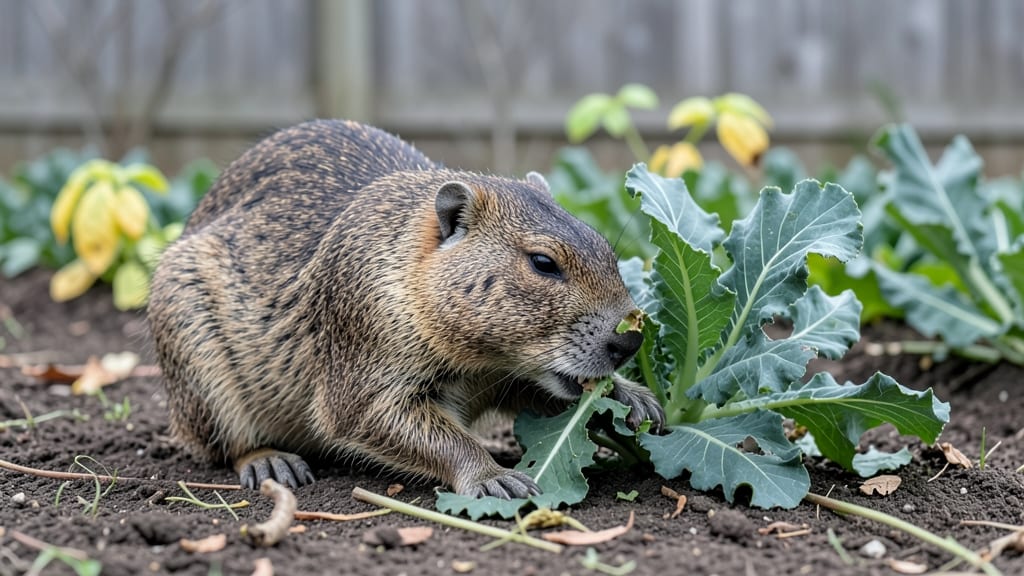
Woodchucks are eating your garden, and I get it—seeing rows of destroyed plants is enough to make anyone want to grab a shovel and dig up the whole yard. 🌿 The good news?
There are humane ways to stop them without harming these surprisingly intelligent creatures, and I’ve tested what actually works in my own yard after losing three seasons of tomatoes to one particularly bold woodchuck.
The first step is identifying their activity—look for fresh, jagged holes in the soil, chewed plants, or even their burrows (which can collapse under foot).
Once you spot the signs, you’ll need a combination of physical barriers (like 1-inch hardware cloth buried at least 12 inches deep) and natural deterrents (woodchucks hate castor oil-based repellents and the smell of predator urine).
I’ve also found that planting daffodils or alliums around the garden keeps them away—though they’ll still dig if they’re desperate.
Humane trapping is the most reliable solution, and it’s simpler than you’d think. A live trap (like the Havahart model) baited with fresh lettuce or apples will catch them without harm. Once trapped, relocate them at least 2 miles away—check local laws first, as some states require permits.
After removal, focus on recovering your soil by adding compost and mulch to help plants bounce back faster than they did before the damage.
This isn’t just about saving this year’s garden—it’s about creating a system that works long-term. Woodchucks are persistent, but with the right mix of barriers, deterrents, and a little patience, you can reclaim your plot without turning into a vigilante with a shovel.
Let’s get your garden back to thriving, not just surviving.
📚 In This Guide
- What you need
- Instructions
- Tips and common mistakes
- Wrapping up and next steps
What you need
- ● Humane live trap: Large enough for a woodchuck (minimum 18" x 18" x 36", e.g., Tomahawk or Victor models). 1–2 traps recommended.
- ● Bait: Primary: Fresh veggies (lettuce, carrots, apples) or woodchuck chow (pet store or online).
- ● Backup: Peanut butter (unsweetened) or woodchuck-specific bait (e.g., Trapline).
- ● Gloves: Heavy-duty leather or nitrile (for handling traps and woodchucks). 1 pair.
- ● Measuring tape: For checking trap placement (ensure it’s near damage sites).
- ● Shovel: For digging release holes (24" deep x 18" wide).
- ● Water: Small container (to hydrate the woodchuck post-release).
- ● Transport container: Large, ventilated crate (e.g., 36" x 24" x 24") for relocating.
- ○ First-aid kit: Optional but handy (for minor scratches or stress relief).
- ● Check local laws: Verify humane trapping regulations in your area (some states require permits!).
- ● Release plan: Know where to relocate (minimum 2+ miles away from home).
- ● Patience: Trapping may take 3–7 days—woodchucks are cautious!
- ● Safety gear: Long sleeves/pants to avoid scratches (woodchucks have sharp teeth!).
- ● Trail camera: To monitor woodchuck activity before trapping.
- ● GPS tracker: For marking release sites (if relocating far).
- ● Repellent spray: Post-release (e.g., Hot Pepper Wax or Predator Pee).
- ● Garden fence: 3–4 ft tall with bendable wire at the top (woodchucks dig!).
Step-by-step instructions for humane woodchuck removal and garden recovery
Here’s how to safely relocate woodchucks and restore your garden to full health.
🪴 Step 1: Set Up a Humane Live Trap
Choose a one-door live trap (at least 24 inches long) and place it near active dig sites or along their runways—look for flattened grass or fresh mounds. Bait the trap with apple slices, lettuce, or sweet corn (woodchucks love these). I place a few pieces inside and around the trap entrance to encourage entry. Never use meat—it attracts predators like raccoons or coyotes.
Position the trap so the entrance faces away from prevailing winds and direct sunlight. Woodchucks are shy creatures; they’ll investigate but avoid open spaces. Check the trap twice daily—early morning and late afternoon—to minimize stress. If it’s empty after 48 hours, relocate the trap 10-15 feet away or try fresh bait.
🌱 Step 2: Transport and Release the Woodchuck
Once captured, cover the trap with a towel or blanket to calm the animal. Wear thick gloves—woodchucks can bite if startled. Transport the trap to a release site at least 2 miles away (check local wildlife regulations first). Release the woodchuck in a wooded area with dense cover, away from gardens or farmland. Open the trap door slowly and step back—it may hesitate before leaving.
I always release woodchucks before sunset when they’re most active. Avoid releasing near roads or residential areas—woodchucks can become nuisances again if food sources are nearby. After release, sanitize the trap with a 10% bleach solution (1 part bleach to 9 parts water) to remove scents before reuse.
✂️ Step 3: Repair and Secure Your Garden
Fill in freshly dug tunnels with compacted soil or gravel to prevent collapse. For deeper holes, mix in 1 part sand to 3 parts topsoil to improve drainage. Water the area lightly to settle the soil. If the woodchuck created raised mounds, rake them smooth and reseed with grasses or clover—these spread quickly and deter future digging.
Install chicken wire or hardware cloth (at least 12 inches deep) around vulnerable plants or garden beds. Bury the edges 4-6 inches underground to block access. For raised beds, wrap the wire around the perimeter before filling with soil. Woodchucks are persistent, so check the wire monthly for gaps or damage.
☀️ Step 4: Deter Future Digging with Natural Repellents
Woodchucks dislike strong smells, so sprinkle hot pepper flakes, castor oil, or predator urine (coyote or fox) around the garden edges. Reapply every 7-10 days or after rain. I also plant dahlias, alliums, or marigolds near high-risk areas—these bulbs emit odors woodchucks avoid. Avoid chemical repellents; they can harm pets or beneficial insects.
Remove any standing water sources (like shallow dishes) and keep the lawn mowed short—woodchucks prefer tall grass for cover. If you have fruit trees, harvest fallen fruit promptly and store it indoors. Woodchucks are opportunistic, so eliminating easy meals reduces their interest in your garden.
Tips & tricks for humane woodchuck removal
A few strategic adjustments can make all the difference when dealing with woodchuck intrusions—here's what I've learned from years of garden battles.
Bait Placement Matters: The key to successful trapping lies in how you position that apple slice or lettuce. Place bait pieces both inside the trap and along the entrance tunnel—woodchucks are cautious and may hesitate to enter if they don't detect food immediately. I've found that creating a scent trail with crushed herbs near the entrance also helps. Confession: I skipped this step for years and wondered why my traps kept coming up empty.
Timing Secret: Those 48 hours of waiting can feel like forever, but it's critical. Woodchucks are creatures of habit—they'll investigate a new trap for a day or two before committing. If your trap remains empty after 48 hours, don't just move it blindly. Look for fresh dig sites or flattened grass trails to reposition strategically. I always mark potential spots with small flags before setting traps.
Release Strategy: The time of day you release makes all the difference. Woodchucks are most active at dawn and dusk, so releasing before sunset gives them time to establish a new territory before nightfall. I've seen woodchucks released at noon simply return to their original garden within hours—don't make that mistake. Also, avoid releasing near roads where they might become roadkill victims.
Garden Defense Upgrade: For the chicken wire installation in Step 3, I recommend burying the edges with a slight outward angle—this creates a physical barrier they can't dig under. The 12-inch depth is minimum; I often go 18 inches for stubborn woodchucks. For raised beds, wrap the wire around the outside before filling with soil to prevent them from tunneling inward from the edges.
Pro Tips for Woodchuck Eating Garden
- A few strategic adjustments can make all the difference when dealing with woodchuck intrusions—here's what I've learned from years of garden battles.
- Bait Placement Matters: The key to successful trapping lies in how you position that apple slice or lettuce.
- Timing Secret: Those 48 hours of waiting can feel like forever, but it's critical.
Frequently asked questions
Got questions about dealing with a woodchuck (or groundhog) feasting on your garden? You’re not alone!
Here are the most common concerns—and practical solutions to keep your greens (and sanity) intact.
How do I know if a woodchuck is really eating my garden?
Look for chewed plants, fresh burrows, or half-eaten veggies—woodchucks leave messy, jagged bite marks (not clean cuts like rabbits). Check for tunnels near your garden too! If you spot one during dawn/dusk, that’s your culprit.
When is the best time to trap a woodchuck for relocating?
Spring (March–May) or early fall (September–October) are ideal—avoid hibernation season (Nov–Feb) or mating season (March–April). Never relocate during winter! Use a humane live trap with veggies (like lettuce or apples) as bait. Check traps every 4–6 hours to avoid stress.
Are there humane alternatives to trapping?
Yes! Try repellents (like hot pepper spray or predator urine), fencing (3 ft deep, buried at a 45° angle), or planting woodchuck-resistant crops (e.g., marigolds, daffodils, or onions). Remove attractants (fallen fruit, pet food) too. For burrows, block entrances with hardware cloth—but relocate if they dig new ones.
What if the woodchuck keeps coming back after relocation?
Woodchucks have strong homing instincts—relocate them at least 2–3 miles away in a rural area with similar habitat. If it returns, reinforce fencing or use motion-activated sprinklers (they hate surprises!). Check for new burrows nearby—it might have a mate lurking.
How do I repair garden damage after a woodchuck attack?
Start by removing chewed plants and composting them (unless diseased). For veggies, replant quickly (woodchucks love fresh growth!). Add compost or mulch to boost recovery, and protect seedlings with wire mesh until mature. If soil’s disturbed, amend with organic matter to restore health.
Still stumped? Drop your question in the comments—we’ve got you covered!
Wrapping up and next steps
Don’t let a woodchuck turn your garden into a buffet—humane trapping and smart prevention can restore your green space without harm! 🌱 With the right tools, patience, and a little creativity (like repurposing that trap as a critter-proof planter), you’ll reclaim your yard while keeping wildlife safe.
Start by securing loose materials and monitoring hotspots—your garden’s comeback begins with action!
🚀 Next Steps:
- Check your trap weekly (or switch to deterrents if needed).
- Reinforce vulnerable areas with wire mesh or fencing.
- Celebrate small wins! A woodchuck-free garden is just around the corner. 🎉