
Pests
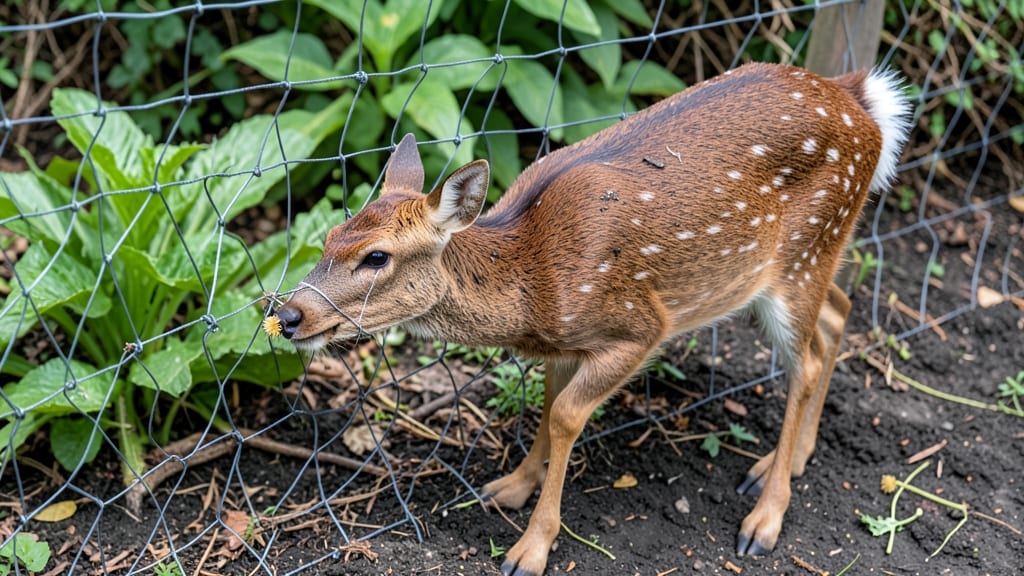
Deer-proof garden fence designs start with a solid 8-foot-tall barrier—anything shorter invites those graceful jumpers to turn your garden into an all-you-can-eat buffet. 🌿 I learned this the hard way after my prized hostas became deer snacks overnight, despite my best efforts with repellent sprays.
The right fence isn’t just about height; it’s about materials that deer can’t chew, climb, or scratch through.
Metal mesh fencing (like hardware cloth) is the gold standard—durable, invisible to deer, and nearly impossible to breach. Wood fences work too, but they need to be sturdy, tightly spaced, and treated to resist rot.
Vinyl offers a cleaner look but requires extra height (9 feet) to account for their jumping prowess. Installing a L-shaped base buried 12 inches deep keeps them from tunneling underneath.
You’ll end up with a garden that stays lush and undisturbed, even during peak deer activity. Imagine waking up to unscathed roses, thriving vegetables, and no more "deer damage" signs in your yard.
The key is combining the right fence with complementary deterrents—like motion-activated lights or strong-smelling plants—so deer give up before they even try.
Budget-friendly options start around $15 per linear foot for basic wood fences, while metal mesh runs $25-$40 per foot but lasts decades. The investment pays off in peace of mind and a garden that finally looks the way you’ve always wanted—without four-legged gatecrashers.
📚 In This Guide
- What you need
- Instructions
- Tips and common mistakes
- Wrapping up and next steps
What you need
- ● Fencing material: 8-foot tall vinyl or metal fence panels (minimum 8 ft to deter deer; 10 ft is even better!)
- ● Electric fencing (12,000–13,000 volts, 2–3 strands, 12–18 inches apart) – check local regulations first!
- ● Wire mesh (1-inch hardware cloth or 2-inch poultry wire, 8 ft tall)
- ● Posts & hardware: T-posts or wooden posts (spaced 6–8 ft apart, treated for durability)
- ● Galvanized fence staples or screws (3-inch, corrosion-resistant)
- ● Post caps (to protect tops from weather)
- ○ Repellent additives (optional but recommended):strong> Deer repellent spray (e.g., Liquid Fence or Deer Out)
- ● Hot pepper wax or garlic-based repellent sticks
- ● Post hole digger or auger (rent if needed)
- ● Measuring tape (25 ft minimum)
- ● Level (4 ft)
- ● Drill/driver (with masonry bit for concrete posts)
- ● Wire cutters (for electric fencing)
- ● Gloves & safety glasses (deer fencing = heavy lifting!)
- ● Wheelbarrow (for mixing concrete, if using)
- ● ✅ Check local building codes – Some areas regulate fence height or electric fencing.
- ● 🌿 Clear vegetation – Remove brush or trees within 5 ft of the fence to eliminate hiding spots.
- ● 🔥 Test electric fencing first! – Use a fence tester to ensure it’s working before final installation.
- ● 🎯 Buried wire tip: For extra security, bury 12 inches of wire mesh or electric fence at the base.
Step-by-step guide to building deer-proof garden fence designs
Here's how to create a barrier that actually works—no more nibbled leaves or vanished plants.
🪴 Step 1: Choose the Right Materials for Maximum Durability
Start with 8-foot tall wood or metal fencing—deer can jump 6-8 feet, so height matters. I recommend pressure-treated cedar or vinyl-coated chain-link because they resist rot and chewing. For extra security, add 1-inch mesh hardware cloth along the top edge, extending 12 inches outward to prevent climbing. Avoid chain-link alone—deer can push through it.
Use T-posts or concrete footings for stability, especially in windy areas. I bury the posts 2 feet deep to prevent leaning. For slopes, angle the fence 5 degrees outward to discourage jumping. The key is making the fence feel like a vertical wall, not a hurdle.
✂️ Step 2: Install the Fence with Strategic Barriers
Begin by marking the fence line with stakes every 6 feet to ensure straight alignment. Attach the fence panels tightly—no gaps larger than 1 inch, or deer will squeeze through. At the base, bury 2-3 inches of hardware cloth for 12 inches outward to block digging. This stops deer from tunneling underneath.
For corners and gate areas, add V-shaped extensions that angle outward. Deer rely on momentum to jump, so abrupt turns disrupt their leap. I also install electric fencing (low-voltage) along the top edge—5,000 volts is enough to deter but not harm. Test the voltage with a meter before turning it on.
🌿 Step 3: Add Natural and Physical Deterrents
Plant thorny shrubs like roses, barberries, or pyracantha along the fence line—their spines create a psychological barrier. Deer avoid areas where they might get injured. I also sprinkle deer repellent granules (like Liquid Fence) around the base monthly. The smell alone can keep them away for weeks.
Hang reflective objects (old CDs, aluminum strips) from the fence—they create unpredictable movement that startles deer. Motion-activated sprinklers (like ScareCrow) add another layer. The combination of physical barriers, thorns, and sensory deterrents makes your garden far less appealing than the open field.
🔄 Step 4: Maintain and Reinforce the Barrier Seasonally
Check the fence twice a year—after winter storms and before deer mating season (fall). Replace any damaged sections immediately. I also reapply repellent granules after heavy rains. If you notice new scratches or bent panels, reinforce with additional T-posts or metal corner brackets.
For long-term success, trim back vegetation within 3 feet of the fence so deer can’t use it for cover. Keep the area open and visible. If you see deer lingering near the fence, add more deterrents—like predator urine (coyote or fox) or hanging predator silhouettes. The goal is to make your garden feel like a high-risk zone.
Tips & tricks for building effective deer-proof garden fences
A few strategic enhancements can transform your basic fence into an impenetrable deer deterrent. Here's what I've learned from years of trial and error—and what nobody tells you about those sneaky garden intruders.
Height and Angle Matter: Deer can clear 6-8 feet with ease, so that 8-foot fence is non-negotiable. But here's the game-changer: angle the top 12 inches outward like a flagpole—this disrupts their forward momentum when they try to jump. I've seen deer attempt to leap over angled tops only to lose their footing and back away. For slopes, maintain that 5-degree outward angle all the way to the ground to create a psychological barrier they'll avoid.
Base Defense is Non-Negotiable: The 2-3 inches of hardware cloth buried 12 inches outward isn't just about digging prevention—it's about eliminating all escape routes. Deer will test weak points, so make sure this buried barrier extends at least 3 feet beyond your garden's edge. I've had neighbors swear their buried cloth failed, but they only extended it 6 inches outward. That tiny gap is all a determined deer needs to tunnel through.
Electric Fencing Psychology: The 5,000-volt electric wire along the top isn't just a shock—it's a visual and sensory cue. Deer associate pain with danger, but they also learn from each other. Install the wire 6-8 inches below the top of your fence where deer will brush against it when testing. The first shock creates a memory that lasts for weeks. Pro tip: Use red flagging tape on the wire—deer see red as a warning color in nature.
Vegetation Management is Critical: That 3-foot clear zone around your fence isn't just about visibility—it's about removing deer cover. Deer use tall grass and shrubs as launching pads for jumps. I've seen them gain 2 extra feet of height when leaping from concealed positions. Mow regularly and remove any vines or branches that could serve as handholds. The open area forces them to jump from flat ground where your fence's height advantage is maximized.
Pro Tips for Deer Proof Garden Fence Designs
- A few strategic enhancements can transform your basic fence into an impenetrable deer deterrent.
- Height and Angle Matter: Deer can clear 6-8 feet with ease, so that 8-foot fence is non-negotiable.
- Base Defense is Non-Negotiable: The 2-3 inches of hardware cloth buried 12 inches outward isn't just about digging prevention—it's about eliminating all escape routes.
Frequently asked questions
Got questions about keeping deer out of your garden? You’re not alone! Here are some of the most common concerns—and straightforward answers—to help you plan the perfect deer-proof fence.
What height should a deer-proof fence be?
A deer-proof fence should be at least 8 feet tall to deter most deer, though taller (up to 9 feet) may be needed in areas with larger species. The top should slope outward at a 30-degree angle to prevent climbing. Pro tip: Add a 12-inch apron buried below ground to block digging.
Can I use natural materials like wood or willow for a deer fence?
While natural materials like cedar or willow can work, they require extra reinforcement to withstand deer pressure. Treat wood with animal-repellent stains or use double layers of woven willow (8+ feet tall) for better durability. Metal or vinyl fences are often more long-lasting but may need additional deterrents like spikes or mesh.
How long does it take to install a deer-proof fence?
Installation time varies: A DIY 8-foot fence (100 feet long) takes 1–3 days with basic tools, while professional installation (including concrete footings) may take 3–5 days. Factor in weather delays—avoid muddy or frozen ground for digging posts.
Are there affordable alternatives to a full fence?
Yes! Consider temporary solutions like:
- Motion-activated sprinklers ($50–$200) that scare deer with water bursts.
- Electric fencing ($1–$3 per foot) with low-voltage shocks.
- Deer-resistant plants (e.g., daffodils, lavender) as a first line of defense.
What if deer keep jumping over my fence?
If deer are still breaching your fence, try these fixes:
- Add barbed wire or electric tape along the top edge (humane but effective).
- Extend the fence 1–2 feet outward at the top to create a "deer slide."
- Install deer deterrent sprays (like predator urine) near the fence line.
- Check for gaps or weak spots and reinforce with additional posts or mesh.
Wrapping up and next steps
Creating a deer-proof garden fence is your best bet to safeguard your hard work—no more nibbled blooms or trampled veggies! 🌿 From sturdy materials like metal or vinyl to clever repellent strategies, you now have all the tools to design a barrier that works year-round.
Don’t wait for deer to turn your garden into their buffet—act now and reclaim your green space!
Ready to get started? Sketch a quick plan based on your yard’s layout, then gather supplies and roll up your sleeves. Your lush, deer-free garden is just one fence away! 🚀