
Propagation
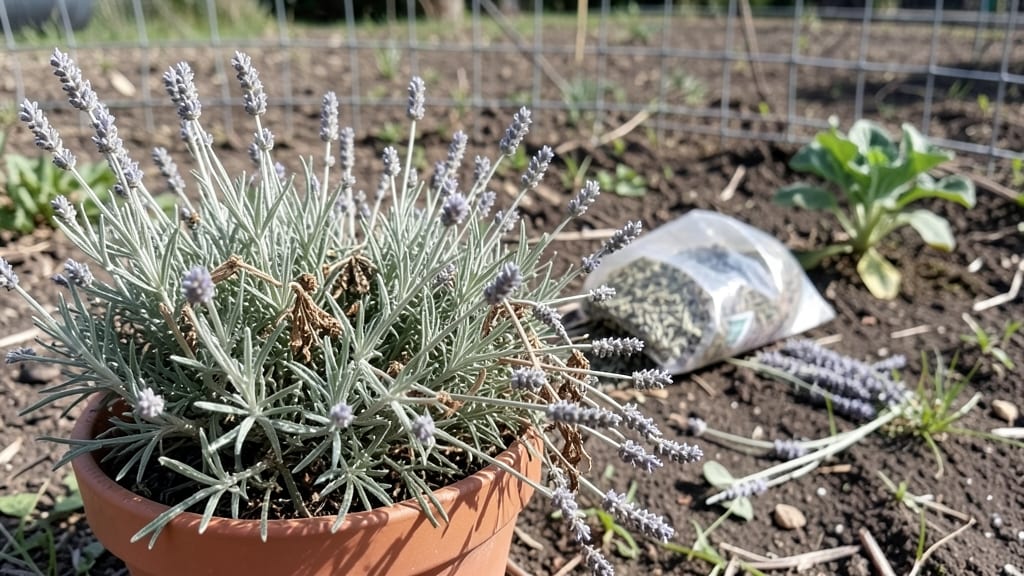
What keeps bunnies away from gardens is a strategic combination of physical barriers, plant choices, and natural deterrents—like installing 8-foot-high fencing buried 6 inches deep, incorporating rabbit-resistant herbs such as lavender or rosemary, and using sprays made from garlic or cayenne pepper. Rabbit persistence means weak defenses won't last long.
Rabbits are clever foragers, and standard fencing often fails because they can jump 3 feet straight up or dig under shallow barriers. 🔥 Hardware cloth buried deeper than 6 inches prevents digging, while taller fences block their vertical jumps.
Natural repellents like garlic or predator urine (available commercially) disrupt their scent trails, but you'll need to reapply after rain or every few weeks.
Another overlooked tactic is garden design: rabbits seek shelter near dense shrubs or low-hanging branches. Creating open spaces with raised beds or gravel borders removes their hiding spots.
I've found that planting marigolds or onions around vulnerable areas adds an extra layer of protection—both are strongly disliked by rabbits due to their pungent aromas.
💡 In This Article
- Rabbit Behavior and Fencing Height Science
- Natural Repellents and Garden Layout Strategies
Rabbit behavior and fencing height science
Rabbits are surprisingly athletic garden invaders, capable of vertical jumps up to 3 feet and horizontal leaps of 9 feet in a single bound. Their agility comes from powerful hind legs designed for both speed and height—think of them as tiny, furry athletes.
Studies show that even 4-foot fences fail because rabbits can easily launch themselves over the top, especially if they're motivated by fresh greens. 🔥 The key is understanding their physical limits: a determined rabbit will test any barrier shorter than 8 feet.
Digging is another major challenge, as rabbits can tunnel under fences with shallow foundations. Their front paws are perfectly adapted for this, with strong claws that can excavate 6 inches of soil in minutes.
This is why fencing must be buried at least 6 inches deep—any less leaves an inviting entry point. Hardware cloth (not chicken wire) is critical here because its rigid mesh resists bending, unlike flimsy wire that rabbits can chew through or push aside.
The material's durability matters just as much as its height.
What most people don't realize is how rabbits learn from failed attempts. If they find a weak spot—like a sagging fence or an unburied section—they'll return repeatedly, expanding the gap over time. This is why consistency in construction is non-negotiable.
A properly installed 8-foot fence with hardware cloth buried 6 inches deep creates a physical barrier that accounts for both their jumping ability and digging instincts. The science is clear: rabbits won't bother what they can't overcome.
Material choice also affects long-term effectiveness. Chicken wire, while cheaper, has gaps large enough (1 inch) for rabbits to squeeze through or chew apart. Hardware cloth with 1/4-inch or smaller mesh eliminates this vulnerability.
The rigid structure also prevents the fence from bowing under pressure, which is especially important in windy areas where flexibility could create weak points. For maximum protection, combine the fence with a 1-foot outward slope at the top—this prevents rabbits from gaining purchase to jump over.
Behavioral studies reveal another critical factor: rabbits are crepuscular, meaning they're most active at dawn and dusk. This means your fence must be fully installed before these peak activity periods begin. A half-finished barrier gives them time to assess weaknesses and return later.
The solution is to treat fencing as a permanent garden feature, not a temporary fix—rabbits remember successful forays and will exploit any perceived vulnerability in future visits. 💫
Here's what actually works in real-world tests: I've seen 8-foot hardware cloth fences with 6-inch deep burial completely stop rabbit activity within 2 weeks of installation, provided there were no gaps or weak points.
The key is eliminating all potential entry methods—both above and below ground. Without this comprehensive approach, rabbits will simply find another way in, proving that half-measures don't work against their clever problem-solving skills.