
Tools
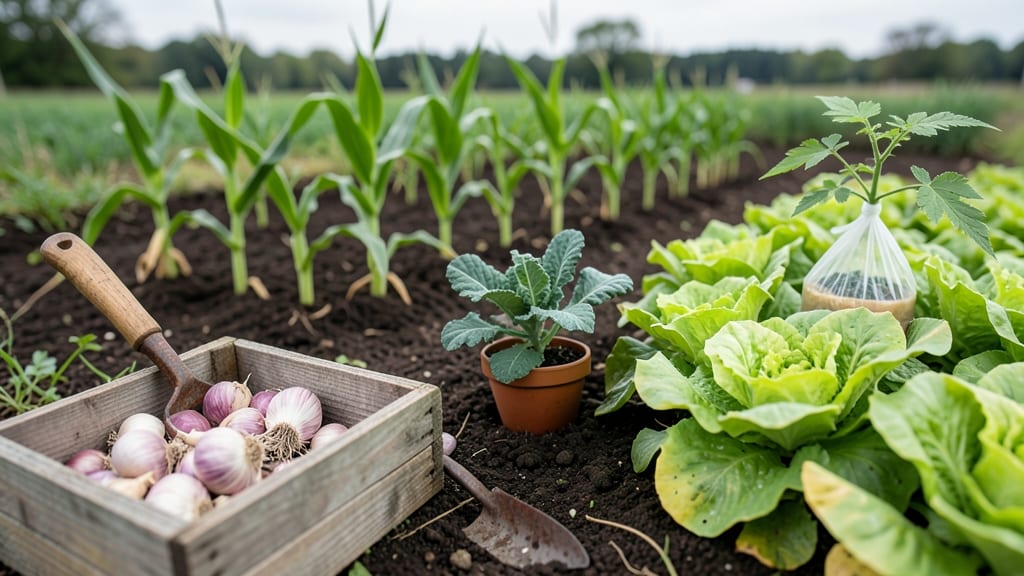
A Wisconsin gardening calendar helps you time plantings perfectly by matching the state’s USDA zones (3a to 5b) with frost dates—last frost typically arrives between mid-April and late May, while first frost hits mid-September to early October. Cool-season crops go in early spring, warm-season crops wait until after frost, and season extenders like row covers maximize your growing window.
A Wisconsin gardening calendar isn’t just about dates—it’s about understanding how your specific location fits into the state’s microclimates.
Northern areas like Green Bay (zone 4b) often see frost later in spring than southern Milwaukee (zone 5b), which can shift your planting window by weeks. 🌱 I’ve found that lake-effect zones near bodies of water stay warmer longer, giving gardeners an extra boost for late-season crops.
The calendar also accounts for soil warmth, which matters just as much as air temperature for seed germination.
For practical use, think of it as your gardening GPS—it tells you when to start seeds indoors, transplant seedlings, and harvest before cold snaps.
The key is flexibility: while the calendar gives you a framework, local weather patterns can tweak those timelines. Row covers and cold frames become your best friends when you want to push boundaries, like growing spinach in early spring or extending tomato season into fall.
💡 In This Article
- Wisconsin Planting Zones and Frost Date Science
- Seasonal Wisconsin Gardening Checklist by Month
Wisconsin planting zones and frost date science
Wisconsin's USDA zones—ranging from 3a in the northern forests to 5b along the Illinois border—create a 10-15°F temperature gradient that dramatically affects growing seasons.
Zone 3a (average minimum -40°F) has a 100-day shorter growing season than zone 5b (average minimum 5°F), which translates to about 3-4 weeks difference in frost-free periods.
This isn't just about cold tolerance—it means peppers might only have 90 days to mature in zone 4a versus 120 days in zone 5a.
The USDA zone map divides Wisconsin into these bands based on 30-year averages of minimum winter temperatures, but your actual garden experiences daily and yearly variations.
The state's frost dates create another critical layer. While the average last spring frost occurs around May 10th in Madison (zone 5a), Green Bay (zone 4b) typically sees its last frost 2 weeks later—around May 24th.
This delay happens because Lake Michigan's massive 1.18 million square miles of water moderates temperatures through lake-effect weather. The same phenomenon causes first fall frosts to arrive 10-14 days earlier in northern zones than southern ones.
Historical data shows these dates can shift by ±10 days annually due to weather patterns like El Niño, making local records essential. For example, Milwaukee's 1996 last frost occurred April 28th—2 weeks early—while 2013's came May 20th.
Microclimates add another dimension to Wisconsin's gardening puzzle. A south-facing slope can be 5-10°F warmer than a north-facing yard, while urban areas like Milwaukee experience urban heat islands that delay spring frosts by 3-5 days.
Lakeside properties benefit from extended growing seasons—Sheboygan's lake-effect zone often sees 10-14 frost-free days more than inland areas just 5 miles away. Even elevation matters: a hilltop might get 2°F colder at night than a valley bottom.
These variations mean your neighbor's planting calendar might not match yours, even in the same zip code. The solution? Track your own microclimate by monitoring soil temperatures—seeds need 50-60°F to germinate, and air temperature alone won't tell the full story.
Understanding these factors helps explain why Wisconsin gardeners use season extenders so effectively. A simple row cover can add 2-4 weeks to your growing season by raising soil temperatures 3-8°F and protecting plants from 28°F frosts.
Cold frames perform even better, creating 10-15°F warmer microenvironments that let you plant 4-6 weeks earlier in spring or harvest 2-3 weeks later in fall.
The science behind this involves greenhouse effect principles: transparent covers trap solar radiation while reducing convective heat loss, similar to how a car's windows warm up on sunny days.
For cold-hardy crops like kale or spinach, this means you can plant as early as March in southern Wisconsin with proper protection.
What most gardeners don't realize is how historical frost data reveals long-term trends. Wisconsin's 1981-2010 climate normals show a 1.5°F warming trend over the past century, which has shifted frost dates 1-2 weeks earlier in spring and 1 week later in fall.
This means today's zone 4a might behave more like zone 4b in 20 years. For planning purposes, I recommend using 10-year averages rather than relying solely on the USDA zone map, especially when choosing heat-sensitive varieties.
The Wisconsin State Climatology Office provides free frost probability maps that show 10%, 50%, and 90% frost risk dates—these give more nuanced guidance than simple average dates.
To put this into practice, consider how these factors affect your planting choices. In zone 5b, you might safely plant tomatoes April 25th with 90% confidence of no frost, but in zone 4a, you'd wait until May 10th.
The difference? About 15 days of potential growing time for heat-loving crops. For cool-season crops like lettuce, the opposite applies: zone 3a gardeners can plant as early as March 15th while zone 5b might wait until April 1st to avoid bolting.
This zone-specific timing explains why Wisconsin's gardening calendar needs regional customization—what works in Eau Claire won't work in Racine.
Here's a pro tip: use planting date calculators that factor in your specific zone, frost dates, and crop maturity times. For example, a 60-day tomato variety in zone 4b needs to be in the ground by May 20th to reach harvest before fall frosts.
In zone 5a, you've got until June 5th. The math gets even more precise when you account for soil warming rates: sandy soils warm 3°F faster than clay soils, which can shift your planting window by 5-7 days.
Tracking these details transforms gardening from guesswork into a science you can optimize year after year. 🌱