
Planting
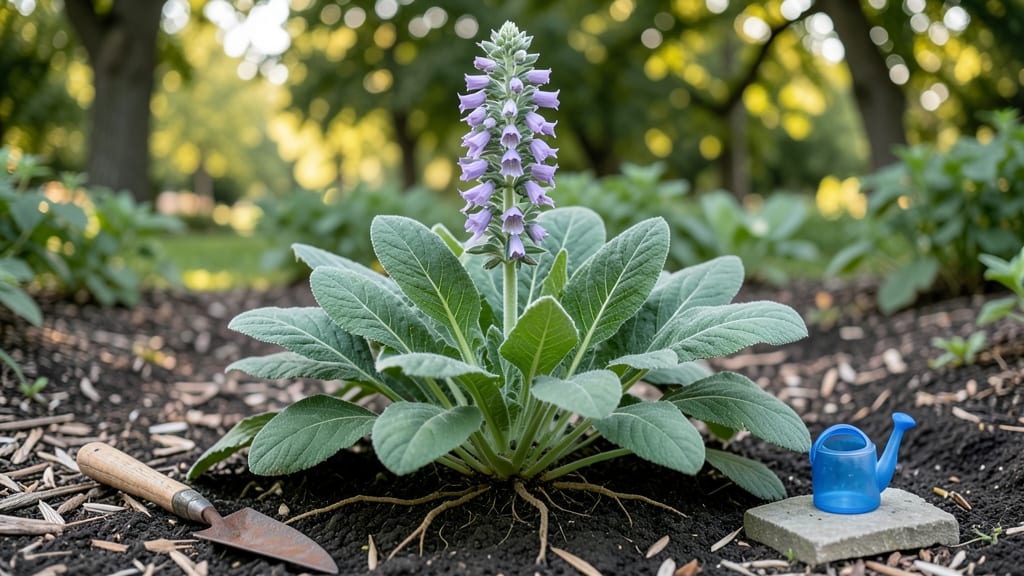
Zone three gardening thrives in areas with average minimum temperatures between -40°F and -30°F, where cold-hardy perennials, shrubs, and trees like coneflowers, Russian sage, and Norway spruce excel. Focus on native plants and seasonal planning to extend growing periods and protect tender crops with row covers or containers.
Zone three gardening demands a strategic approach due to its harsh winters and brief growing seasons.
The key is selecting plants that naturally thrive in these conditions, such as wintergreen and serviceberry, which not only survive but often flourish in the cold. 💫 Microclimates—like south-facing slopes or protected valleys—can create pockets of warmth that extend the growing season for delicate plants.
Understanding your specific microclimate helps maximize what you can grow despite the challenges.
Seasonal planning is equally critical. Start by mapping out your frost dates to determine when to plant cool-season crops like kale and when to harvest warm-season plants before the first frost.
Using row covers or cold frames can give tender plants a few extra weeks of growing time, while mulching heavily in fall helps insulate roots during freezing temperatures. This way, you can enjoy a longer harvest window and even experiment with less hardy varieties.
💡 In This Article
- Understanding Zone Three Climate Challenges
- Top Cold-Resistant Plants for Zone Three Gardens
Understanding zone three climate challenges
Zone three's extreme cold—where winter lows routinely plunge to -40°F—forces plants to develop sophisticated survival mechanisms. Many cold-hardy species produce antifreeze proteins that prevent ice crystal formation in their cells, similar to how fish in Arctic waters survive subzero temperatures.
These proteins bind to ice nuclei, lowering the freezing point of cell fluids by up to 10°F. 🌡️ Without these adaptations, plants would experience cellular damage from ice expansion, which can rupture cell walls.
The short growing season—typically just 90-120 days between last frost and first frost—demands precise timing. Soil temperatures in zone three often stay below 50°F for months, delaying spring planting until late May or early June.
This freeze-thaw cycle also creates challenges: soil compaction from winter ice can restrict root growth, while rapid temperature swings in spring can stress emerging plants. Microclimates, like south-facing walls or sheltered valleys, can create 5-10°F warmer pockets, extending the season for heat-loving plants by 2-3 weeks.
Dormancy triggers are another critical factor. Many zone three plants enter dormancy not just from cold, but from photoperiod changes (shorter daylight hours). Russian sage, for example, begins preparing for winter when days drop below 12 hours of light, even if temperatures remain mild.
This explains why some plants survive -30°F but struggle in milder winters—without the daylight cue, they won't shut down properly. 🌿
Root insulation is the final piece of the puzzle. Deep-rooted perennials like coneflowers and serviceberry thrive because their roots extend 3-5 feet below the frost line, accessing warmer soil layers. Shallow-rooted annuals, however, require heavy mulching (4-6 inches) with straw or leaves to prevent freeze-thaw damage.
The science here is simple: soil insulates like a blanket, and the deeper the roots, the better they withstand temperature swings.
What most gardeners overlook is how wind speed amplifies cold stress. A 10 mph wind-20°F feel like -40°F due to wind chill, which is why windbreaks—like evergreen hedges or fences—are essential. These barriers can raise microclimate temperatures by 3-5°F, making all the difference for marginal plants. 🌬️
Understanding these mechanisms helps explain why native plants often outperform non-natives. For instance, wintergreen produces its own antifreeze compounds while also having waxy leaves that reduce moisture loss. This dual adaptation lets it photosynthesize under snow—a rare trait that gives it an edge in harsh winters.
By mimicking these natural strategies in your garden, you can push the limits of what grows in zone three.