
Picking
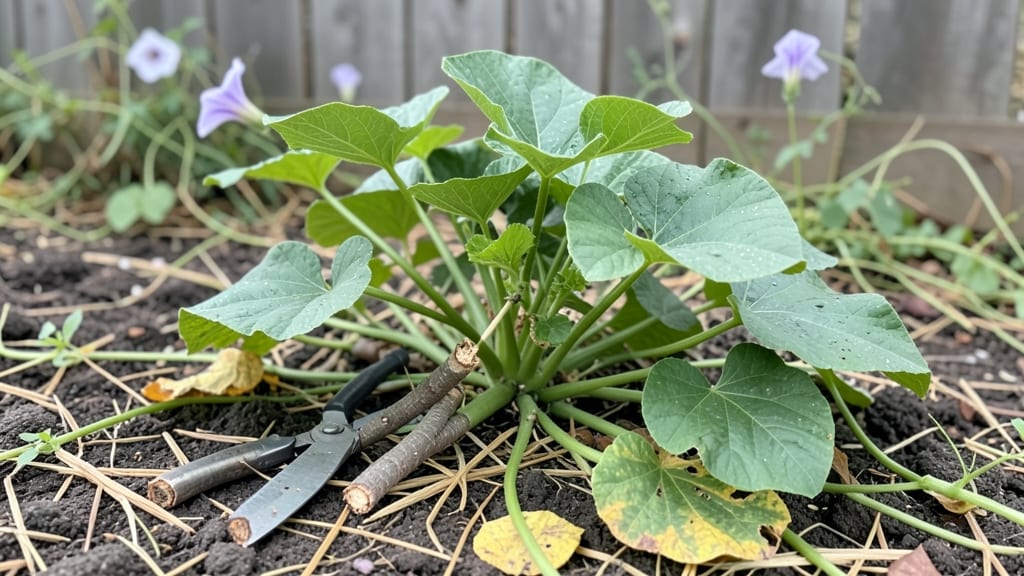
Picking sweet potatoes from the garden at the right moment turns a simple harvest into a flavor-packed victory 🍠.
Harvesting too early means tough, woody roots instead of sweet, starchy perfection—but knowing exactly when to dig them up can transform your garden into a bounty of flavor. The secret lies in two simple clues: skin color and vine health.
In Zone 6a, where spring planting kicks off in April, timing matters more than you think. A few weeks too late and frost ruins the crop, while digging too soon leaves you with undersized, bland tubers. Here’s how to nail it every time.
Below, I’ll walk you through the skin slip test, ideal size ranges, and the best weather conditions for harvesting—so you’re left with a pantry full of sweet, ready-to-roast sweet potatoes.
How to use the skin slip test for perfect sweet potato harvest timing
The skin slip test is my go-to trick for determining when sweet potatoes are ready to harvest. This simple method saves you from digging up roots too early or too late—both of which ruin flavor and texture.
When done right, it guarantees sweet, starchy perfection every time. The test works because sweet potato skins toughen as the roots mature, making them resist your fingernail pressure.
Before you test, know that skin color varies by variety. Some stay tan, others turn deep orange or reddish-brown. Focus on the skin's resistance, not just color. The test is foolproof if you perform it correctly, and it only takes a minute per plant.
I’ve used this method for years, and it’s never steered me wrong—even in unpredictable weather.
How to Perform the Skin Slip Test
- Wait until vines yellow and die back naturally (usually 2-3 weeks after flowering). This signals the roots are maturing underground.
- Gently dig near the vine (about 6 inches deep) to expose a small root. Avoid damaging larger tubers.
- Press your fingernail into the skin. If it slips easily, the sweet potato needs more time. If it resists, it’s ready!
- Check 3-4 roots per plant for consistency. Some varieties mature faster than others.
- If frost is 10+ days away, harvest immediately. Sweet potatoes don’t tolerate cold soil.
Why does this test work? The skin toughens as the root’s starch content increases, creating a natural barrier. When the skin resists your nail, it’s a sign the sugars have concentrated—perfect for roasting or baking. Pro tip: Test in the morning when skins are firmer due to cooler temperatures.
Adjust your harvest timing based on weather conditions. If your area faces an early frost, prioritize the skin slip test over size. Sweet potatoes left in cold soil become woody and bitter.
In hot climates, they may mature faster—test weekly once vines yellow. I once lost a harvest to a sudden frost because I ignored the test and waited for "perfect" size.
Skin color isn’t the only clue—vine health matters too. If the tops die back completely but the skin still slips, wait 3-5 more days. The roots need time to finish curing underground.
Over-mature sweet potatoes split easily, so don’t let them sit too long in the soil. I’ve seen baseball-sized tubers crack open because I hesitated!
For storage success, harvest on a dry, sunny day after the vines have fully died. Cure the sweet potatoes for 5-10 days in a warm (80-85°F), humid spot. This hardens the skin and boosts sweetness. Skip curing if you plan to cook them immediately—just brush off dirt and enjoy!
Regional differences affect timing too. In USDA Zone 7 or warmer, sweet potatoes may mature by early September. In cooler zones (like Zone 5), aim for late September to October. Always account for your last frost date—harvest at least 2 weeks before the first expected frost.
One common mistake? Testing too early. The skin slip test only works after the vines start dying back. If you test before flowering, the roots will still be small and underdeveloped.
Patience is key—rushing leads to tough, stringy sweet potatoes. Trust the process, and your garden will reward you with golden, flavorful harvests.
Now that you’re a skin slip test pro, your sweet potatoes will be perfectly timed every season. No more guesswork—just delicious, homegrown roots ready for your table. Happy harvesting! 🌱
Sweet potato size guide: when to harvest based on root development
Sweet potatoes reach their peak flavor and storage potential when harvested at the right size and maturity. Unlike other root vegetables, their size varies dramatically by variety, and digging too early or too late can ruin your harvest.
The ideal time to pick depends on whether you're growing small fingerling types or large storage varieties, with each requiring different care to avoid tough, stringy roots.
Most gardeners focus on vine dieback as the primary harvest signal, but root size plays an equally critical role. A 3-inch sweet potato might be perfect for immediate cooking, while a 6-inch root stores better and develops deeper flavor.
Understanding these differences ensures you don’t miss the window between perfect harvest and overgrowth.
Variety Type
Ideal Size Range
Harvest Time (Days)
Flavor & Use
Storage Life
Fingerling (e.g., 'Georgia Jet')
2–4 inches long
90–105 days
Sweet, tender; best for roasting
2–4 weeks (short-term)
Medium (e.g., 'Beauregard')
4–6 inches long
105–120 days
Balanced sweetness; versatile
3–6 months (cool, dark)
Large (e.g., 'Centennial')
6–10 inches long
110–130 days
Deep flavor; best for baking
6+ months (cured properly)
To measure sweet potatoes accurately, dig a small test hole around the plant’s base (where the vines meet the soil). Gently brush away dirt to expose the largest root—this is your reference size. Avoid pulling by the vine, as this can damage smaller, hidden roots.
For fingerling varieties, aim for roots thicker than your thumb; for storage types, look for roots the size of a baseball or larger.
Harvesting too early results in small, watery roots with poor flavor, while waiting too long leads to woody, cracked tubers that spoil quickly. If your sweet potatoes exceed 8 inches, they’ve likely overgrown, losing sweetness and becoming fibrous.
The key is to monitor both vine health (yellowing leaves) and root development (skin firmness) simultaneously for the best results.
Pro tip: Cure your harvest for 5–10 days at 80–85°F and high humidity to develop skin thickness and sweetness. This step is crucial for large varieties, which store best when properly cured.
Smaller roots can skip curing but benefit from a dry, shady spot for a few days before use.
Remember, size isn’t everything—always prioritize skin firmness and vine dieback over rigid measurements. Adjust your harvest timing based on your local climate and variety, and you’ll enjoy sweet potatoes at their peak all season long. 🌱