
Tools
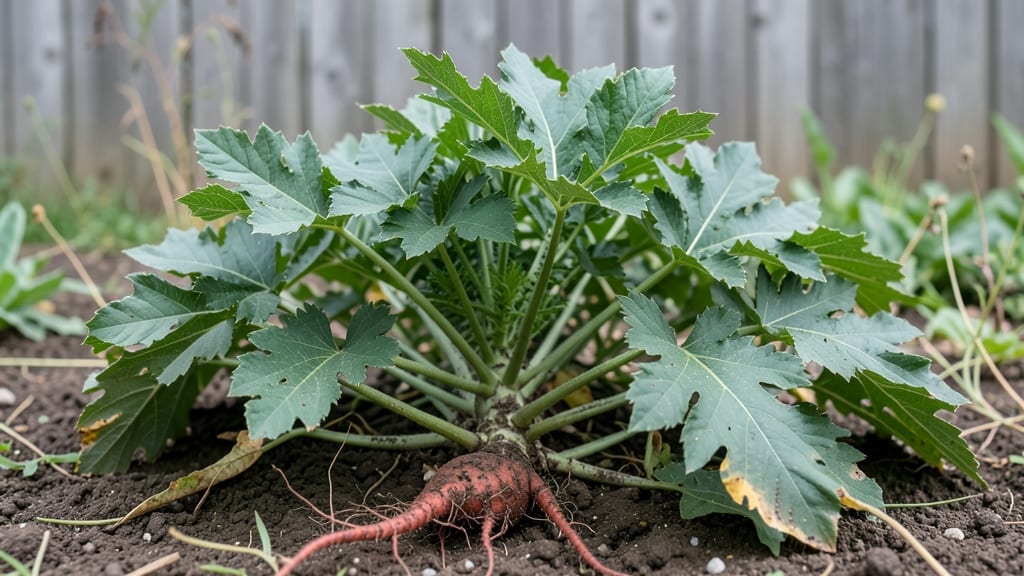
Growing horseradish in your garden delivers a fiery harvest that’s shockingly easy once you know the tricks. 🌱 I planted my first patch last spring after realizing store-bought roots never compare to fresh, homegrown heat.
The secret lies in understanding its aggressive nature—this isn’t a delicate herb, but a hardy powerhouse that thrives with minimal fuss.
You’ll need a sunny spot with rich, slightly acidic soil (think compost-amended loam) and patience for its slow start. Planting from roots is foolproof—just cut a mature root into 2-inch chunks with at least one eye, then tuck them 2 inches deep in early spring.
Spacing matters: give plants 18 inches apart to prevent overcrowding, because horseradish spreads like wildfire.
By day 60, you’ll have thick, glossy green leaves and the beginnings of your own roots—ready to harvest or replant. The real magic happens when you slice into those white, peppery roots, packed with more flavor than anything you’ve ever tasted.
Just be warned: this plant doesn’t play nice with borders, so contain it with buried landscape fabric if needed.
Perfect for gardeners who love bold flavors and don’t mind a little chaos. Here’s how to tame it—and turn your garden into a spice factory.
📚 In This Guide
- What you need
- Instructions
- Tips and common mistakes
- Wrapping up and next steps
What you need
- ● Horseradish root: 1–2 healthy, firm roots (1–2 lbs each) from a nursery or garden center. Choose organic if possible!
- ● Garden soil: Well-draining, fertile soil with a pH of 6.0–7.0. Amend with compost if your soil is heavy or clay-like.
- ● Sunlight: A sunny spot with full sun (6+ hours/day) or light shade in hot climates.
- ● Water: Consistent moisture (about 1–2 inches per week). Horseradish hates drought!
- ● Garden trowel or shovel – For planting roots 2–3 inches deep.
- ● Gloves – Horseradish sap can irritate skin! Wear nitrile gloves for handling.
- ● Mulch (straw or wood chips) – Helps retain moisture and suppress weeds.
- ● Pruners or shears – For harvesting leaves or trimming overgrowth.
- ○ Row cover or netting (optional but helpful) – Protects young plants from pests like cabbage moths.
- ● Test your soil: A soil pH test kit ensures optimal growing conditions. Adjust with lime or sulfur if needed.
- ● Container option: Grow in a 12+ inch deep pot with drainage holes if space is limited.
- ● Companion plants: Try planting dill or marigolds nearby to deter pests naturally.
Step-by-Step guide to growing bold horseradish in your garden
This hardy root thrives with minimal fuss—just follow these steps for a punchy harvest.
🌱 Step 1: Choose the Perfect Spot and Prepare the Soil
Horseradish loves full sun to partial shade and well-draining soil—it’s a root crop, so rocky or compacted ground will stunt growth. Pick a location with at least 6 hours of direct sunlight daily, though it tolerates 4 hours in cooler climates. Avoid low spots where water pools, as soggy soil causes rot.
Loosen the soil to a depth of 12 inches with a garden fork or tiller. Horseradish spreads aggressively, so dig a 12-inch-deep trench if planting multiple roots to contain their growth. Amend the soil with compost if it’s heavy clay or sandy—horseradish prefers a loamy, slightly acidic to neutral pH (6.0-7.0). Test your soil if possible; a simple home kit works fine.
🌱 Step 2: Plant Roots or Seeds at the Right Time
Start with certified disease-free roots in early spring, 2-3 weeks before your last frost date, or plant seeds indoors 8-10 weeks before transplanting. Roots grow best when planted 3-4 inches deep and 12-18 inches apart—they’ll spread, so give them space. Cut larger roots into 1-inch pieces, ensuring each has at least one eye (a small bud).
If using seeds, sow them ¼ inch deep in pots filled with sterile seed-starting mix. Keep the soil evenly moist at 65-75°F until germination, which takes 14-21 days. Harden off seedlings for 7-10 days before transplanting outdoors. Plant in late spring after soil warms to at least 50°F—cold soil slows growth dramatically.
💧 Step 3: Water and Mulch for Consistent Moisture
Horseradish roots need consistent moisture but hate soggy conditions. Water deeply once a week, aiming for 1 inch of water per week, and more during dry spells. You’ll know it’s right when the top 2 inches of soil feel damp but not waterlogged. Drip irrigation works best—it delivers water directly to the roots without wetting the leaves, reducing disease risk.
Apply a 2-inch layer of organic mulch (like straw or shredded leaves) around plants to retain moisture and suppress weeds. Mulch also keeps roots cool in summer, preventing bitterness. Avoid synthetic mulches—they can overheat the soil. Replenish mulch as it breaks down, especially in hot climates where evaporation speeds up.
✂️ Step 4: Control Spread and Thin as Needed
Horseradish is invasive—it spreads via underground stems called rhizomes. To keep it contained, install barrier fabric (like landscape cloth) 12 inches deep around the planting area if needed. Check plants monthly for new shoots popping up outside the designated area and remove them immediately.
Thin seedlings to 12 inches apart once they reach 4-6 inches tall. Use scissors to snip excess plants at soil level—this prevents root competition and encourages stronger growth. Harvest a few small roots after 60 days for mild flavor, but wait 90-120 days for full potency. The longer you leave them, the hotter they get!
☀️ Step 5: Harvest and Store for Long-Term Use
Dig up roots when they reach 1-2 inches in diameter (about 60-90 days after planting). Use a garden fork to loosen soil around the roots, then pull gently—don’t wash them until ready to store. Trim off leaves and any damaged sections, leaving 2-3 inches of stem attached. Cure roots in a dry, dark place for 1-2 weeks to develop full flavor.
Store cured roots in a cool (35-40°F), humid environment like a root cellar or refrigerator. They’ll keep for months, though flavor intensifies over time. For long-term storage, peel and freeze roots in 1-inch chunks or ferment them in vinegar for homemade hot sauce. Fresh horseradish loses potency quickly, so use within 2 weeks of harvest for the best kick.
Tips & tricks for growing bold horseradish in your garden
Here's what I learned the hard way after struggling with my first horseradish patch—these tricks will help you grow the spiciest, healthiest roots possible.
Soil Prep is Everything: In Step 1, don't just loosen the soil—break up any compacted layers down to that full 12-inch depth. I tried shallow tilling once and ended up with stunted roots. Add a handful of compost to each planting hole for extra nutrients, especially if your soil is sandy. The goal is to mimic the loose, fertile conditions horseradish thrives in—think of it as creating a cozy underground nest for your roots.
Timing is Critical for Seeds: When starting with seeds in Step 2, maintain that 65-75°F soil temperature religiously. I used a soil thermometer for a week and noticed germination slowed dramatically when temps dipped below 60°F. If your spring is cool, consider using a mini greenhouse or cold frame until soil warms to 50°F—this prevents that frustrating "waiting game" with seeds.
Watering Wisdom: That 1 inch per week guideline in Step 3 is perfect, but here's the secret: water in the morning so leaves dry completely by evening. Wet foliage invites fungal diseases, and horseradish is particularly susceptible. I lost half my first crop to leaf spot because I watered at dusk—now I set reminders for 8 AM watering. Also, check soil moisture by feel rather than schedule; the top 2 inches should feel like a damp sponge, not a soggy washcloth.
Harvesting Hack: For maximum potency, wait until roots reach 1-2 inches in diameter as mentioned in Step 5, but here's the pro move: harvest on a dry day when soil is completely dry. This makes pulling roots much easier and prevents mud from sticking to them. I also found that harvesting in late afternoon gives roots time to dry slightly before curing, which intensifies that signature kick.
Pro Tips for Horseradish In Garden
- Here's what I learned the hard way after struggling with my first horseradish patch—these tricks will help you grow the spiciest, healthiest roots possible.
- Soil Prep is Everything: In Step 1, don't just loosen the soil—break up any compacted layers down to that full 12-inch depth.
- Timing is Critical for Seeds: When starting with seeds in Step 2, maintain that 65-75°F soil temperature religiously.
Frequently asked questions
Got questions about growing horseradish in your garden?
You’re not alone! Here are answers to the most common queries to help you cultivate this bold, peppery root like a pro.
When is the best time to plant horseradish?
Plant horseradish in early spring (as soon as the soil is workable, around 4–6 weeks before the last frost) or in fall (6–8 weeks before the first frost). Avoid planting in hot summer months—horseradish thrives in cooler temperatures (50–70°F) and can bolt (go to seed) if stressed by heat.
How long does it take for horseradish to grow?
With patience, horseradish roots can take 1–2 years to reach full maturity (2–3 pounds per plant). However, you can harvest smaller roots as early as 60 days for a milder flavor. For the spiciest, most robust harvest, wait until the second year.
Why is my horseradish turning bitter or woody?
Bitter or woody horseradish is often a sign of overmaturity, drought stress, or poor soil. To fix it:
- Harvest younger roots (6–12 months old) for milder flavor.
- Keep the soil consistently moist but well-drained.
- Amend heavy clay soil with compost to improve texture.
If the roots are truly woody, try replanting in a fresh spot with nutrient-rich soil.
Can I grow horseradish in containers?
Yes! Horseradish adapts well to containers if you choose deep pots (at least 12–18 inches deep) and use a loose, fertile potting mix. Just ensure the pot has drainage holes to prevent rot. Container-grown horseradish may need more frequent watering and may not reach the same size as in-ground plants.
What can I use instead of horseradish if I don’t want to grow it?
If you’re craving that spicy kick but don’t want to grow horseradish, try these substitutes:
- Wasabi (for a sharper, green flavor—though it’s a different plant).
- Mustard greens or mustard seeds (for a milder, tangy alternative).
- Fresh ginger or galangal (for warmth and zing in dishes).
- Store-bought prepared horseradish (check labels for additives).
For a homemade substitute, blend white vinegar + a pinch of cayenne pepper for a quick fix!
Wrapping up and next steps
Growing horseradish in your garden is a rewarding adventure—packed with bold flavors, minimal fuss, and a harvest ready in just 60 days! Whether you’re a seasoned gardener or a curious beginner, this pungent root thrives with basic care and a little patience.
With the right soil, sunlight, and a few handy tools, you’ll soon be feasting on homegrown horseradish or sharing it with friends.
Ready to take the next step? Start small—plant a few roots this season, experiment with varieties, and watch your garden transform into a spicy, flavorful haven. Happy gardening! 🌱✨