
Pests
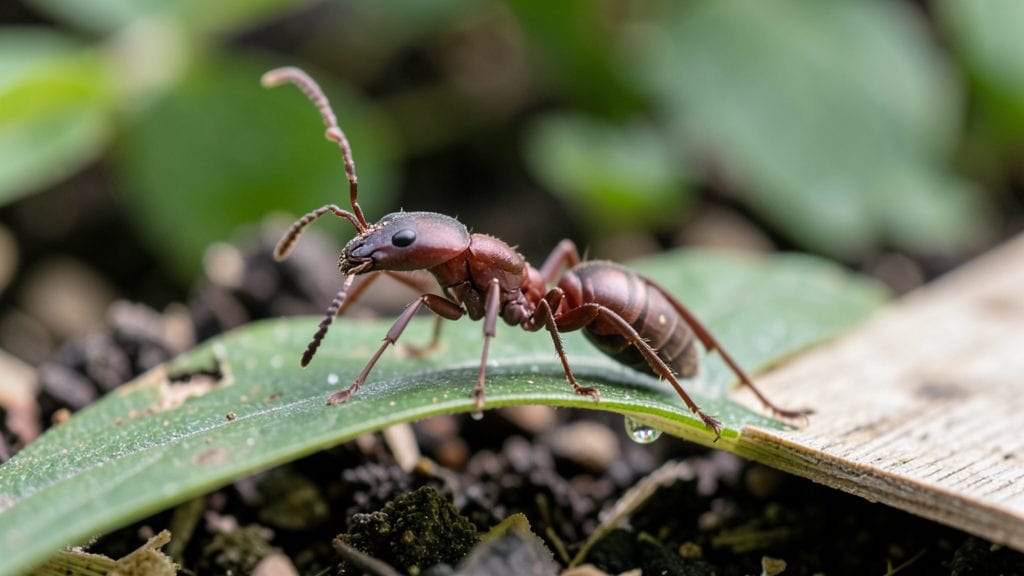
Stopping ants in your garden doesn’t require toxic sprays or hours of digging—just a citrus spray barrier that disrupts their trails and keeps them away for weeks. 🌱 I learned this trick after watching ants march straight through my herb beds, and it’s now my go-to solution whenever they show up.
The secret lies in citrus oil’s ability to mask pheromone trails while being completely safe for plants and pets.
You’ll need just three things: peelings from 3-4 citrus fruits (oranges, lemons, or grapefruit work best), a quart of water, and a spray bottle. The process takes less than 10 minutes, and the spray lasts about 2 weeks before needing a refresh—no fancy equipment required.
It’s especially effective for small gardens, container plants, and along walkways where ants travel in straight lines.
Within 24-48 hours, you’ll notice ants detouring around treated areas, and after a week, their trails will fade completely. The garden stays lush and pest-free without harming beneficial insects like ladybugs or bees. Plus, your yard will smell fresh, not chemical.
Works in any climate, from humid summers to dry seasons, and pairs perfectly with other organic methods like diatomaceous earth for stubborn colonies. Ready to reclaim your garden without the mess?
📚 In This Guide
- What you need
- Instructions
- Tips and common mistakes
- Wrapping up and next steps
What you need
- ● Citrus peels: 3–4 large peels (or 1 cup of dried citrus peel powder) from oranges, lemons, or grapefruits. Fresh peels work best!
- ● Water: 2 cups (16 oz) of hot or room-temperature water.
- ● Spray bottle: 16–32 oz (preferably with a fine-mist nozzle). Clean and reusable!
- ● Large pot or bowl: For boiling (if using fresh peels) or steeping.
- ● Strainer or cheesecloth: To filter out peel bits after boiling.
- ● Gloves: To protect your hands from citrus oils or hot water.
- ● Measuring cups/spoons: For precise water-to-peel ratios.
- ● Small funnel: To avoid spills when transferring liquid to the spray bottle.
- ○ Marking spray or chalk: To outline ant trails (optional for targeting hotspots).
- ● Essential oils (citrus or peppermint): 5–10 drops (adds extra potency if you want!).
Step-by-step instructions for creating a citrus ant barrier
This organic spray keeps ants out without harming your plants or local wildlife.
🌱 Step 1: Gather and Prepare Citrus Peels
Collect 4-5 fresh citrus peels—I prefer oranges or lemons for their strong scent. Remove all white pith from the peels, as it can mold quickly. Chop the peels into ½-inch strips for faster infusion. Place them in a clean glass jar and cover completely with 2 cups of boiling water.
Let the mixture steep overnight, or at least 8 hours, in a warm, dark place. The longer it steeps, the stronger the ant-repelling oils become. I like to add a few drops of dish soap (just a teaspoon) to help the solution cling to surfaces. This isn’t about killing ants—it’s about disrupting their scent trails so they avoid your garden entirely.
💧 Step 2: Strain and Dilute the Solution
After steeping, strain the peels through a fine-mesh sieve or cheesecloth into a clean spray bottle. Discard the peels—they’ve done their job. The liquid should be a deep amber color with a strong citrus aroma. If it smells faint, let it steep another 4-6 hours.
Dilute the concentrate by mixing it with 1 cup of water. This dilution ensures the spray is effective but won’t harm plants when applied directly. Shake the bottle gently before each use to redistribute any settled oils. I keep mine in a cool, dark place—sunlight degrades the citrus oils quickly, reducing its potency.
☀️ Step 3: Apply the Barrier Around Your Garden
Spray the citrus solution in a 2-inch wide band around the perimeter of your garden beds, focusing on entry points like gateways, tree bases, and along fences. Pay special attention to cracks in pavement or mulch edges—ants use these as highways. Reapply every 3-5 days or after heavy rain.
For stubborn ant trails, spray directly on the path. You’ll see ants detour within minutes—they can’t stand the scent. Avoid spraying on leaves or flowers, as citrus oils can irritate some plants. If you notice wilting or discoloration, rinse the area with plain water immediately.
✂️ Step 4: Maintain and Reinforce the Barrier
Check your barrier weekly, especially after rain. Ants are persistent—they’ll find new routes if the scent fades. I like to refresh the spray in the evening when ants are most active. The combination of citrus and soap creates a double barrier: the scent confuses them, and the soap weakens their ability to mark trails.
For extra protection, sprinkle dried citrus peels around the garden’s edge. The peels release oils slowly and deter ants for weeks. Combine this with regular garden maintenance—remove fallen fruit, keep mulch dry, and eliminate standing water—to make your garden less inviting. Within 5-7 days, you’ll see a noticeable drop in ant activity.
Tips & tricks for perfect citrus ant barrier
Here's what I've learned after battling ants in my own garden—these little details make all the difference between temporary relief and lasting protection.
The Steeping Secret: That 8-hour minimum steep isn't just a suggestion—it's when the citrus oils reach their full ant-repelling potential. I've found that placing the jar in a warm spot (like near the oven when it's off) can actually reduce the steeping time to about 6 hours. The key is maintaining warmth without direct sunlight, which breaks down the oils. Think of it like making strong tea—more time equals stronger flavor and effectiveness.
Soap Selection Matters: Not all dish soaps work equally well. I recommend using a mild, fragrance-free variety with minimal additives. Harsh detergents can leave residue that might harm plants over time. A few drops is all you need—the soap helps the citrus solution cling to surfaces, but too much can make the spray too slippery. Test a small area first if you're unsure about plant compatibility.
Application Technique: When applying that 2-inch barrier, think of it like painting a line—consistency is everything. Use a steady hand and maintain the same distance from the surface to ensure even coverage. For stubborn ant trails, I've found that spraying in a zigzag pattern creates better coverage than just spraying along the path. The goal is to create an invisible scent wall that ants simply won't cross.
Storage Wisdom: After dilution, store your spray in a cool, dark cabinet—not the fridge. The citrus oils degrade quickly when exposed to light or heat, losing their effectiveness within days. I keep mine in a brown glass spray bottle (if you don't have one, any dark-colored bottle works). The solution will last about 2 weeks when stored properly, so make fresh batches as needed. The amber color is your quality indicator—if it turns cloudy, it's time to make a new batch.
Pro Tips for Stop Ants In Garden
- Here's what I've learned after battling ants in my own garden—these little details make all the difference between temporary relief and lasting protection.
- The Steeping Secret: That 8-hour minimum steep isn't just a suggestion—it's when the citrus oils reach their full ant-repelling potential.
- Soap Selection Matters: Not all dish soaps work equally well.
Frequently asked questions
Got questions about keeping ants out of your garden?
Here are some of the most common concerns—and practical answers—to help you tackle this pesky problem with confidence.
Why does my citrus spray barrier stop working after a few days?
Citrus spray is effective, but rain, sunlight, or ants finding alternate paths can reduce its potency. Reapply every 3–5 days or after heavy rain. For extra protection, combine it with diatomaceous earth or a physical barrier like crushed eggshells along ant trails.
How long until I see results after applying the spray?
Most people notice a reduction in ants within 24–48 hours, but full results may take 3–7 days as colonies adjust. Consistency is key—keep spraying until trails disappear. If ants persist, they may be nesting deeper; try a follow-up treatment with vinegar or borax baits.
Will this method harm my plants or soil?
Citrus sprays (like lemon or orange oil) are non-toxic to plants and pets when used as directed. However, avoid overspraying foliage, as concentrated oils can burn leaves. Always dilute with water (1:1 ratio) and test a small area first. For edible plants, wait 24 hours before harvesting.
What if ants keep coming back after I’ve treated the garden?
Persistent ants often mean you’re missing their entry points or nests. Trace their trails to find the source—common spots include mulch piles, woodpiles, or cracks in hardscapes. Seal gaps with caulk, remove moisture sources (ants love damp areas), and consider bait stations to target the colony.
Can I use other citrus fruits besides lemons or oranges?
Grapefruit, lime, and even bergamot oil work well due to their high limonene content. For a budget-friendly option, blend peels from any citrus fruit with water and strain for a homemade spray. Just ensure it’s fresh—old peels lose effectiveness.
Is this safe for kids and pets?
While citrus sprays are low-toxicity, always keep pets and children away until the spray dries (about 1–2 hours). If using borax or other additives, opt for pet-safe alternatives like vinegar or essential oils. Store sprays securely and rinse off any accidental contact with skin or fur.
Wrapping up and next steps
Keeping ants out of your garden doesn’t have to be a battle—with a few simple, natural steps, you can create an effective barrier that works in days! 🌿 The key is consistency: citrus peels, vinegar, and diatomaceous earth disrupt their trails and deter future invasions.
Start small, monitor progress, and soon you’ll enjoy a pest-free garden oasis.
Ready to reclaim your garden? Pick one method today—whether it’s spraying citrus peels or setting up a vinegar-soaked barrier—and watch those ants retreat! 🚫🐜 For extra peace of mind, combine strategies and enjoy your thriving outdoor space.