
Picking
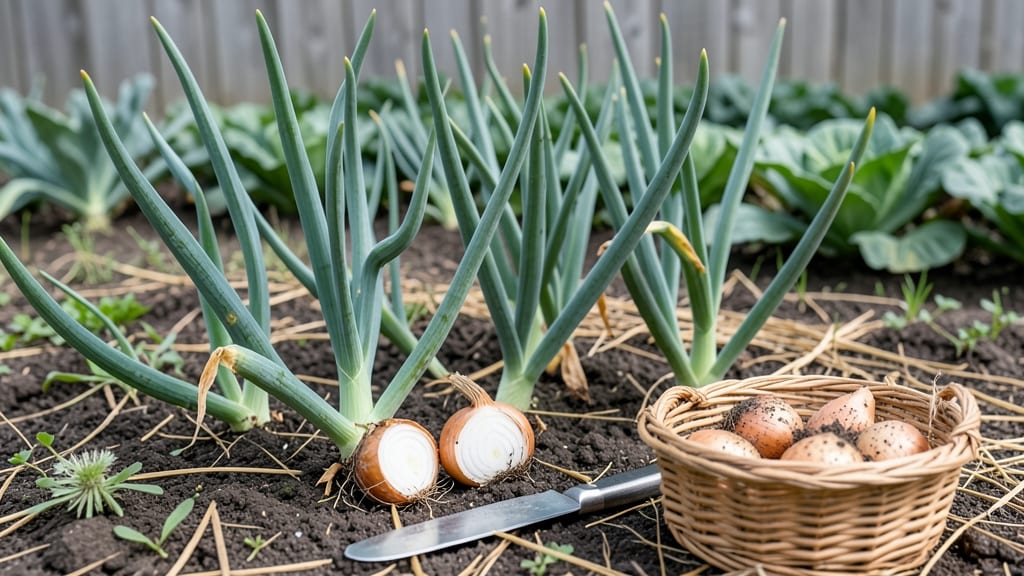
Harvesting onions from the garden at the right time ensures you get sweet, flavorful bulbs instead of tough, pungent ones—here’s how to know when they’re ready.
Knowing the exact moment to pull them can make all the difference. One week too early, and your onions will still be small and watery. Too late, and they’ll split or become bitter. The key is watching for those three visual cues that tell you it’s time to dig.
For gardeners in USDA Zone 6a, where spring-planted onions mature between July and August, timing matters even more. Miss the window, and you might end up with onions that don’t store well—or worse, bolt before they’re ready. But with the right signs, you can harvest at peak perfection.
In this guide, I’ll walk you through the top three visual cues to look for, how to test if your onions are truly ready, and what to do once you’ve pulled them from the soil. No more guesswork—just flavorful, homegrown onions every time.
3 Visual signs your onions are ready for harvesting (with photos)
Harvesting onions at the right moment transforms your garden into a treasure trove of flavorful bulbs instead of tough, pungent leftovers. The key lies in three visual cues that signal perfection: leaf color, bulb size, and neck slenderness.
Ignoring these signs often leads to premature harvests that spoil quickly or overripe onions that split open in storage.
I’ve learned the hard way—pulling onions too early results in small, watery bulbs that rot within weeks, while waiting too long risks splitting or bolting. The secret is checking these three indicators simultaneously. When all three align, you’ve got harvest-ready onions that’ll store beautifully through winter.
Here’s how to spot each sign without damaging your plants, plus a side-by-side comparison to avoid common mistakes. Master these cues, and you’ll never guess when to harvest again.
🌱
Let’s break down each sign in detail so you can confidently identify harvest-ready onions. First, the leaf color is your earliest warning system. When tops turn from vibrant green to a dull yellow-brown and flop over, it’s a clear signal that the bulb below has matured.
I test this by gently tugging on the tops—if they pull out easily, your onions are ready.
Next, check the bulb size by carefully brushing away soil. Mature onions should measure 1.5-2.5 inches in diameter. Anything smaller will lack flavor and storage potential. Pro tip: Use your thumb and index finger to measure—aim for a bulb that comfortably fits between them.
If it’s too small, give it another week or two.
The neck slenderness is often overlooked but critical. A mature onion’s neck should feel thin and papery, almost like dry parchment. Run your fingers along the stem—if it’s thick and green, the bulb isn’t fully developed.
This is where many gardeners go wrong, assuming size alone determines readiness. The neck’s condition directly impacts storage life.
Finally, test the skin texture by attempting to peel a small section. If the skin resists your fingers and feels dry to the touch, your onions are perfect. Premature onions have smooth skins that peel away effortlessly. This final check ensures you’re not harvesting bulbs that’ll spoil within days.
Regional differences matter too. In cooler climates (USDA Zones 3-5), onions often mature earlier due to shorter growing seasons. I’ve found that in Zone 4, I harvest by mid-July, while in Zone 7, I wait until early September.
Always account for your local frost dates—harvesting before the first frost ensures you beat the clock.
One mistake I see often is harvesting based on calendar dates rather than visual cues. Onions grown in rich soil may mature faster, while those in poor soil might take longer.
Stick to the signs, not the calendar. And remember: overripe onions split open, making them unusable for storage—so don’t wait too long after the tops flop.
For green onions (scallions), the rules change slightly. These are harvested when the bulb is ½-inch wide and the tops are still green. But for storage onions, follow the three signs above religiously. Your future self will thank you when you pull out perfectly preserved bulbs in December.
✂️
How to harvest onions without ruining the bulb: step-by-step guide
Harvesting onions at the right time ensures flavorful, storable bulbs instead of shriveled or split ones. The key is patience—waiting too long can cause bolting (flowering), while harvesting too early means small, pungent onions.
I’ve learned that weather and timing are everything, so let’s break it down into clear steps to avoid common mistakes.
Once your onions show yellowing tops and dry necks, they’re ready for harvest. But pulling them from the soil is just the first step—proper curing and storage keep them fresh for months.
I’ll walk you through the entire process, from tools to weather tips, so you can maximize your harvest without waste.
Step-by-Step Harvest Guide
- Step 1: Choose a dry, sunny day (50°F–70°F) to harvest. Avoid wet soil or rain, which can cause rot during curing.
- Step 2: Use a garden fork or spade to loosen soil around the base. Gently lift the onion to avoid bruising the bulb.
- Step 3: Shake off excess soil, but don’t rinse the bulbs. Let them air-dry for 1–2 hours in the shade.
- Step 4: Trim the roots to 1 inch and the tops to 1 inch above the bulb. This prevents moisture loss during storage.
- Step 5: Cure onions in a well-ventilated, dry area (like a garage or shed) for 2–3 weeks. Spread them on a mesh screen or hang in nets.
- Step 6: Store cured onions in a cool, dark place (50°F–60°F) with good airflow. Braid or mesh them to prevent rot.
One of the biggest mistakes I see is harvesting onions too soon—they’ll be small and lack flavor. Conversely, leaving them in the ground past maturity can lead to bolting or splitting, ruining the crop. Always check for firm bulbs and dry tops before pulling.
If you’re in a humid climate, curing may take longer. I recommend using a dehumidifier or fan to speed up the process. For dry climates, curing happens faster, so monitor them closely to avoid over-drying.
After curing, store onions in mesh bags or paper bags (never plastic, which traps moisture). Check them monthly for soft spots or mold—discard any affected bulbs immediately to prevent spoilage. With the right care, your onions can last 6–8 months!