
Picking
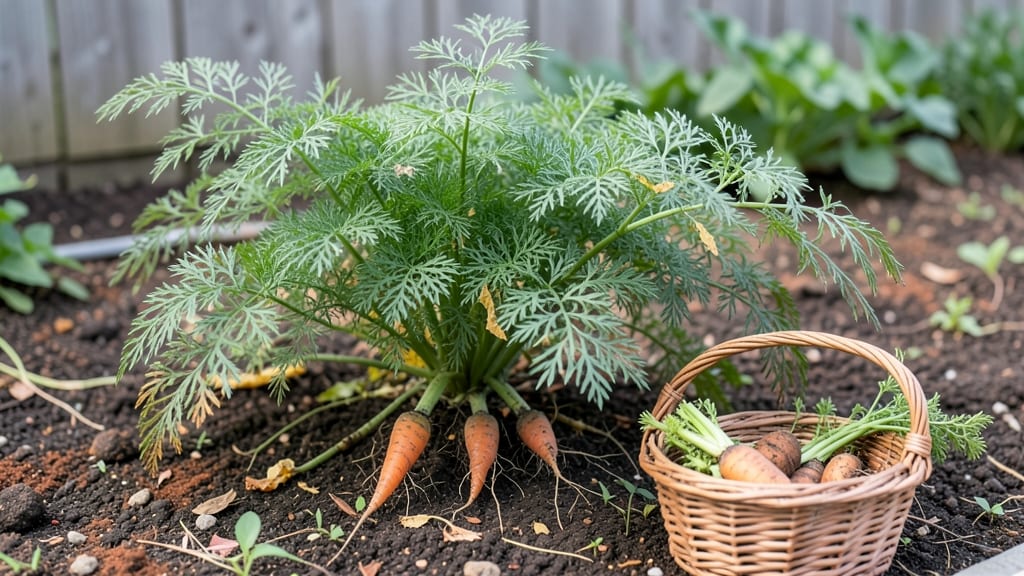
Harvesting carrots at the right time turns your garden into a treasure trove of sweet, crisp 🥕 roots—so timing the pull is the secret to avoiding tough, bitter disappointment.
Knowing exactly when to harvest carrots can mean the difference between sweet, tender roots and tough, woody vegetables—so how do you tell when they're ready? The answer lies in a mix of visual cues and simple tests, like checking leaf color or giving the roots a gentle tug.
Miss the window, and you’ll end up with carrots that taste more like string than sunshine.
Most gardeners wait until the tops are bright green and the roots reach 1–3 inches in diameter, but soil type and variety play a big role too. In USDA Zone 6a, spring-planted carrots are ready by late June, while fall crops peak in October—before the first frost.
Below, I’ll walk you through the foolproof signs, from the tug test to the color guide, so you never miss the perfect moment.
Whether you’re growing Danvers for their crisp bite or Nantes for their natural sweetness, mastering these tricks ensures your harvest is flavor-packed and ready for the table—or the storage bin. Let’s dig into how to get it right every time.
How to use the tug test & color guide for perfect carrot harvest timing
Harvesting carrots at the right moment transforms your garden into a flavor factory. The secret? Combining visual cues with a simple physical test—no fancy tools required. Start by checking the foliage color and root size, then verify readiness with the tug test.
This two-step method ensures you pull carrots when they’re sweetest and crispest, not woody or underdeveloped. Let’s walk through the foolproof process so you never guess again.
First, focus on the carrot tops. Healthy leaves should be vibrant green with no yellowing or browning. This indicates the plant is still photosynthesizing efficiently and hasn’t reached the overripe stage. If you spot yellowing, it’s a red flag—your carrots may have become fibrous and bitter.
Pair this with checking the root diameter, which varies by variety but typically falls between 1–3 inches. For example, Paris Market carrots are ready at 1 inch, while Danvers need closer to 2–3 inches.
Next, use the tug test to confirm readiness. Gently grasp a carrot’s top leaves and pull upward with steady pressure. A ready carrot will resist slightly, almost as if it’s anchored in the soil. If it snaps off easily, it’s underripe and needs more time.
If it pulls out too effortlessly, it’s likely overmature. This test works best in loose, well-draining soil—compacted or rocky soil can trick you into thinking a carrot is ready when it’s not.
Soil conditions play a critical role in harvest timing. Carrots grown in heavy clay or rocky beds may appear ready but actually fork or split when pulled. To avoid this, amend your soil with compost before planting and avoid working the bed once seeds sprout.
Uneven growth? Thin seedlings to 2–3 inches apart to give roots space to plump up evenly. Overcrowding leads to small, misshapen carrots that never reach peak sweetness.
| Visual Cue | Description | Ready for Harvest? | Notes |
|---|---|---|---|
| Top Color | Bright green foliage with no yellowing | ✅ Yes (if roots are sized correctly) | Yellowing leaves signal overmaturity. |
| Root Size | 2–3 inches in diameter (varies by variety) | ✅ Yes (if soil is loose) | Check variety guidelines for ideal size. |
| Tug Test Resistance | Firm resistance when pulled gently | ✅ Yes (if roots don’t snap) | Snap = underripe; too easy = overripe. |
| Soil Looseness | Easy to pull without breaking | ✅ Yes (if other cues match) | Hard soil = risk of forking or splitting. |
| Root Shape | Straight and uniform (not forked) | ✅ Yes (if firm) | Forking = poor soil or overcrowding. |
Regional climate also affects harvest timing. In hot climates, carrots may mature faster due to longer daylight hours, while cooler zones like the Pacific Northwest might need an extra 2–3 weeks.
Pay attention to your last frost date: early varieties like Paris Market should be harvested before summer heat sets in, while storage types like Chantenay thrive when nights cool after the first frost.
Pro tip: Plant a succession crop every 2–3 weeks to stagger harvests and ensure a steady supply.
What if your carrots are uneven in size? This often happens when soil nutrients are unevenly distributed or when seedlings compete for space. To fix this, thin seedlings to the thickest, healthiest stems and side-dress with compost tea to boost root growth.
If you’re still seeing small, stunted carrots, check your soil’s phosphorus levels—carrots need moderate phosphorus (the middle number in NPK) for strong root development. A balanced 5-10-10 fertilizer applied at planting time can help.
Once you’ve mastered the tug test and color guide, harvesting becomes second nature. Pull carrots on a cool morning after watering the soil—this makes roots easier to extract cleanly.
Use a hand fork to loosen stubborn roots, but avoid damaging nearby plants. After harvesting, trim the tops to 1/2 inch to reduce moisture loss, then
Best times to harvest carrots by variety & season for maximum sweetness
Timing your carrot harvest is an art that balances variety maturity, seasonal temperatures, and daylight hours. Sweetness peaks when roots develop fully but before they become woody or bitter.
For example, early varieties like Paris Market thrive in spring’s mild 60°F soil, while storage types like Chantenay sweeten after autumn’s first frost. Understanding these windows ensures your garden delivers the crispest, most flavorful harvest possible—no more tough, stringy surprises!
Seasonal shifts dramatically impact carrot flavor. Cooler spring and fall temperatures slow growth, concentrating sugars, while summer’s intense heat can cause bolting or bitter roots. Daylight also plays a role: shorter fall days trigger natural sweetening in many varieties.
By aligning your harvest with these natural cycles, you’ll unlock peak sweetness and texture that store-bought carrots can’t match.
🌱 summary table
For early varieties like Paris Market, aim to harvest within 50–60 days when soil temps stay below 75°F. These spring-fall favorites develop best in cooler weather, delivering tender roots with minimal fiber.
If you miss the window, they’ll quickly become tough—so mark your calendar for late May to early June in most regions. Pro tip: Succession plant every 2 weeks for a continuous harvest!
Sweet varieties like Nantes reach their peak when nights dip below 65°F, typically in late summer. Their longer maturity (70–80 days) means they handle summer’s heat better than early types, but watch for bolting if temps exceed 85°F.
Harvest just before the first frost to preserve their signature honey-sweet flavor. Store them in moist sand in the fridge for up to 6 weeks.
Storage carrots like Chantenay shine after frost, when starches convert to sugars. Plant these late-summer varieties (75–85 days) in well-drained soil and let them mature fully. Their thick shoulders resist forking, making them perfect for long-term storage.
After harvest, cure them in 50°F temps for 24 hours before storing in sandy soil or sawdust—they’ll keep crisp for months!
🌿 Remember: Soil temperature matters more than air temperature. Use a soil thermometer to confirm 60–70°F for ideal growth. If your garden runs hot, opt for shade cloth or drip irrigation to maintain sweetness. With these seasonal cues, you’ll never harvest a single woody or bitter carrot again!