
Picking
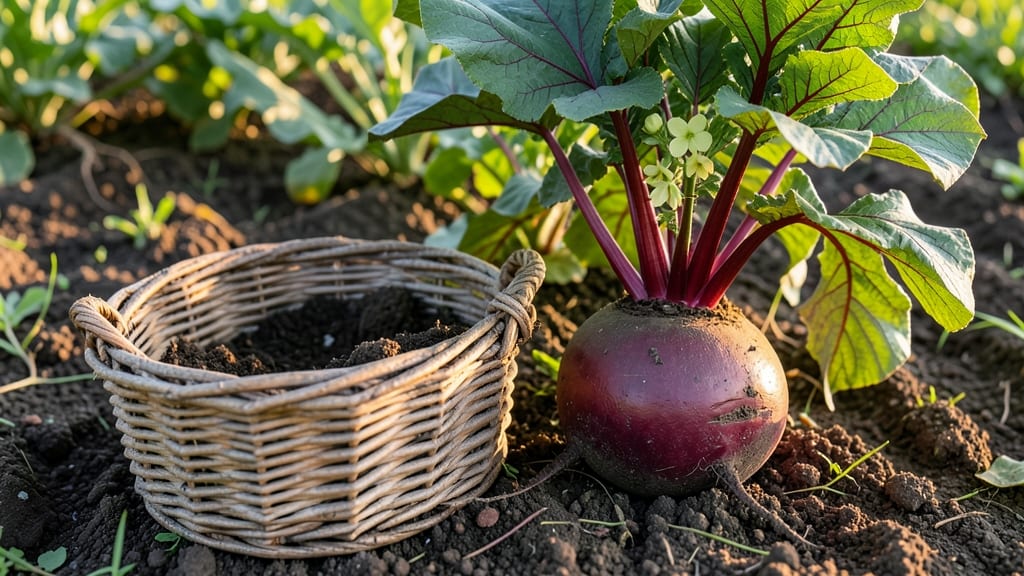
Picking beetroot from the garden at the right time means the difference between tender, sweet roots and tough, woody messes.
Beetroot lovers know the frustration of harvesting too early—tough, woody roots—or too late, when they split and lose sweetness. The secret to perfect beetroot lies in a simple color shift test that ensures peak flavor and texture every time.
Most varieties like Chioggia or Detroit Dark Red are ready when their shoulders turn a deep, rich hue—think golden yellow for golden beets or vibrant purple for reds—while the roots reach 1 to 3 inches in diameter.
But timing isn’t just about size; soil conditions and seasonal cues play a role too.
Below, I’ll walk you through the exact color and size clues to harvest at the perfect moment, plus how to adjust for your local climate so you never miss the window again.
How to identify the perfect beetroot color for harvesting
Harvesting beetroot at the right time transforms your garden into a treasure trove of sweet, tender roots. The color shift test is my foolproof method to avoid the pitfalls of woody texture or split roots.
Watch for the shift from pale green shoulders to deep, vibrant hues—this visual cue marks the perfect window for harvesting. Different varieties like Detroit Dark Red or Golden Beet will show unique color patterns, but the principle remains the same.
Timing matters more than you might think. Beetroot harvested too early taste bland and fibrous, while overripe roots develop a bitter edge and split easily.
The ideal harvest window is when the roots reach 1-3 inches in diameter and their color deepens to a rich red, purple, or golden tone. This balance ensures both sweetness and tenderness. Seasonal variations also play a role—spring-planted beetroot may mature faster than fall crops.
🌱 comparison table
| Variety | Mature Color | Harvest Color Cue | Ready Size | Seasonal Notes |
|---|---|---|---|---|
| Detroit Dark Red | Deep red | Shoulders turn dark red (no green) | 2-3 inches diameter | Spring & fall; 60-70 days to maturity |
| Golden Beet | Golden yellow | Uniform golden hue with no green | 1-2 inches diameter | Spring; 50-60 days to maturity |
| Chioggia | Pink & white stripes | Stripes deepen and darken | 2 inches diameter | Summer; 65-75 days to maturity |
| Bull's Blood | Deep purple-red | Color shifts from green to deep purple | 2.5 inches diameter | Fall; 70-80 days to maturity |
| Early Wonder Tall Top | Bright red | Shoulders turn uniform red | 1.5-2 inches diameter | Spring & fall; 50-60 days to maturity |
For Detroit Dark Red beetroot, pay close attention to the shoulder color. When the green fades completely and the shoulders turn a deep, rich red, it’s time to harvest. This variety often matures in 60-70 days, making it ideal for early spring or late summer plantings.
I’ve found that pulling them just as the color deepens ensures the sweetest flavor and avoids the woody texture that comes with waiting too long.
Golden beetroot varieties like Golden Beet follow a similar pattern but with a golden hue instead of red. The key is consistency—when the entire root shows a uniform golden color without any green patches, it’s ready.
These varieties mature faster, often in just 50-60 days, making them perfect for early season planting. Harvesting too early results in pale, bland roots, while waiting too long can lead to a bitter taste.
Striped varieties like Chioggia are a visual delight and equally delicious. Look for the stripes to darken and become more pronounced. The roots should be about 2 inches in diameter when the stripes are deep and vibrant.
These beetroot often take 65-75 days to mature, so they’re best suited for summer plantings in warmer climates.
Seasonal variations can affect the color intensity and maturity timeline. Spring-planted beetroot often develop deeper colors due to cooler temperatures, while summer heat can accelerate growth but may dilute the color slightly.
Always adjust your expectations based on your local climate. For example, in USDA Zone 6a, I’ve noticed that fall-planted beetroot develop richer colors than their spring counterparts.
Pro tip: Use a garden trowel to gently loosen the soil around the beetroot before pulling. This helps preserve the roots and makes the harvest process cleaner. Once pulled, brush off any excess soil to reveal the true color.
If the root feels firm but not hard and the color is vibrant, you’ve nailed the perfect harvest time. If you’re still unsure, slice one open—if it’s deep in color and tender, it’s ready!
Remember, the color shift test is your best friend when it comes to harvesting beetroot. It’s a simple yet effective way to ensure you’re picking your roots at their peak.
Whether you’re growing Detroit Dark Red, Golden Beet, or Chioggia, keeping an eye on those color changes will guarantee a bountiful harvest of sweet, tender beetroot every time. Happy harvesting!
🌿
Beetroot size and soil conditions that signal harvest readiness
Determining the perfect moment to harvest beetroot isn't just about waiting for a specific number of days—it's about reading your plants. The ideal beetroot size for harvesting typically ranges between 1 to 3 inches in diameter, but this can vary slightly depending on the variety.
For example, golden beetroots often mature slightly smaller than deep red varieties, so always check the seed packet for variety-specific guidance.
Beyond size, the soil firmness around your beetroots provides critical clues. Gently squeeze the soil with your fingers—if it feels compact but not hard, your beetroot is likely ready. Too loose soil can lead to underdeveloped roots, while overly compact soil may cause splitting.
This test helps you avoid the common mistake of harvesting too late when roots become woody or crack from pressure.
Use this checklist to confirm harvest readiness before pulling from the soil. 📏 Don't overlook the leaf health as a signal for harvest readiness. Healthy beetroot leaves should remain vibrant green and upright, not yellowing or wilted. If you notice the outer leaves turning yellow while the beetroot is still small, it may indicate a nutrient deficiency or overwatering. However, if the leaves start to wilt or die back while the root remains firm, it's a sign the beetroot is ready—don't wait too long, or you risk splitting. For container-grown beetroots, the same rules apply, but pay extra attention to root crowding. If your beetroots are growing in pots, check their size against the container dimensions. Roots that fill more than half the pot's volume are often ready, especially if they're pressing against the sides. In containers, you'll also want to harvest slightly earlier than in-ground plants to prevent competition for nutrients and water. Seasonal variations can also influence harvest timing. In cooler climates, beetroots may take slightly longer to mature, while in hotter regions, they might be ready sooner. Always adjust your expectations based on your local growing conditions. For example, in USDA Zone 6a, early spring plantings may not be ready until late June, while fall plantings could be harvestable by late October. If you're unsure whether your beetroot is ready, perform a simple finger test. Gently press the beetroot through the soil with your thumb—if it resists but doesn't snap, it's likely perfect for harvesting. Avoid pulling by the leaves, as this can damage the root. Instead, use a hand trowel or fork to loosen the soil around the beetroot before lifting it gently from the ground.🌱 Key Takeaway: Beetroot Harvest Checklist