
Picking
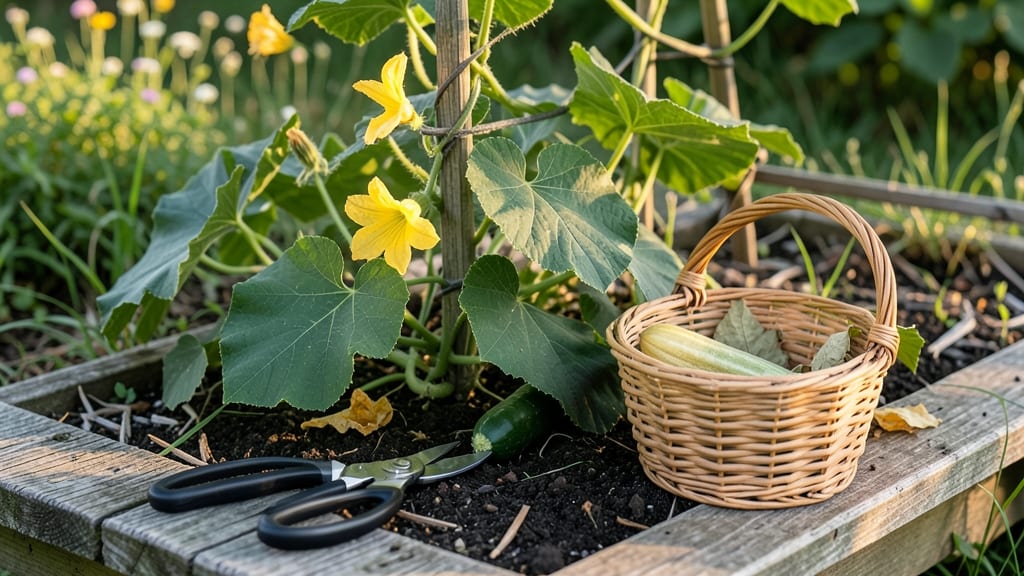
Harvesting cucumbers from your garden at the right moment means the difference between a crisp, sweet bite and a bitter, seedy disappointment—and the secret lies in size, color, and texture.
Picking cucumbers at the wrong time can turn crisp, sweet rewards into bitter, seedy disappointments—but knowing the exact signs of peak harvest transforms your garden into a flavor factory. 🥒
Most varieties are ready when they reach 6-8 inches long, with a deep, even color and a firm skin that yields slightly to gentle pressure. Skip this window, and you risk overripe fruit that’s tough, watery, or packed with seeds.
Below, I’ll walk you through the visual cues, regional timing tips, and common mistakes to avoid—so you can enjoy a steady harvest all season long.
How to identify perfect cucumber harvest timing by size, texture, and color
Harvesting cucumbers at the right moment means the difference between a crisp, sweet vegetable and a bitter, seedy disappointment. I’ve learned that size, texture, and color work together like a recipe—get one wrong, and the flavor suffers. The key is checking these three cues simultaneously, not just one.
Most gardeners focus on cucumber size first, but I’ve found that skin firmness and color consistency are equally critical. For example, a 6-inch cucumber with soft spots is overripe, while an 8-inch one with firm skin might still be perfect.
Let’s break down each clue so you never miss peak harvest again.
Here’s a quick reference to help you decide when to pick your cucumbers based on their appearance and feel:
| Cucumber Type | Size Range | Skin Texture | Color | Seed Stage |
|---|---|---|---|---|
| Slicing (e.g., Marketmore) | 3–6 inches | Firm, resists gentle thumb pressure | Deep green, consistent | Small, white, soft |
| Pickling (e.g., Boston Pickling) | 2–4 inches | Firm, slightly bumpy | Bright green, uniform | Tiny, barely visible |
| English (e.g., Lemon Cucumber) | 6–8 inches | Firm but yields slightly | Yellow or white stripes | Slightly developed, creamy |
| Overripe (Avoid!) | 8+ inches | Soft, mushy, or leathery | Pale, spotted, or yellowing | Large, dark, hard |
For slicing cucumbers, aim for 3–6 inches—any longer, and they risk turning bitter. I’ve noticed that Marketmore varieties hit their sweet spot at 5–6 inches, while bush varieties often mature faster.
Always check the skin firmness next: press gently with your thumbnail. If it springs back, it’s ready; if it dents, wait a day or two.
Color is another dead giveaway. Dark green cucumbers should have a uniform hue with no yellowing or brown spots. Varieties like Armenian cucumbers develop white stripes when ripe, while yellow cucumbers (like Lemon Cucumbers) should be fully golden.
Pro tip: the stem end often yellows or browns first—this is your plant’s way of signaling it’s time to pick!
Don’t overlook the seeds inside. A ripe cucumber has small, soft, white seeds that barely resist when you cut into it. If the seeds are large, dark, and hard, the cucumber has passed its prime and will taste bitter.
I once ignored this cue and ended up with a seedy, watery mess—now I always slice one open before committing to a harvest.
Regional differences matter too. In hot climates, cucumbers mature faster and may need harvesting every 2–3 days, while cooler zones can stretch the window to 4–5 days. I’ve found that morning harvests work best—cucumbers are cooler and firmer, making it easier to judge ripeness accurately.
One common mistake I see is harvesting based on calendar days alone. While most cucumbers take 50–75 days to mature, environmental factors like temperature, sunlight, and soil nutrients can speed up or slow down growth. Always trust your eyes and fingers over a schedule.
To keep your plants productive, I recommend picking every 2–3 days during peak season. This encourages more flowers—and more cucumbers—to form. And if you’re growing vining varieties, check the lower branches first, as they often ripen before the top ones.
Finally, store your freshly picked cucumbers in the crisper drawer of your fridge for up to 1 week. But honestly? The best cucumbers are the ones you eat fresh from the vine—nothing beats that crunch and sweetness when harvested at the perfect moment. 🥒
Common harvest mistakes that ruin cucumbers (and how to avoid them)
Even experienced gardeners sometimes fall into traps that turn perfectly good cucumbers into bitter, seedy disappointments. The timing of harvest is everything—picking too early means underdeveloped flavor, while waiting too long leads to tough, bitter fruit.
I’ve learned the hard way that even temperature and time of day play a role in quality. Let’s fix these common mistakes before your next harvest.
One of the biggest culprits is harvesting cucumbers at the wrong time of day. Picking in the heat of the afternoon can cause stress to the plant, leading to bitter-tasting fruit.
Instead, I always harvest in the early morning when temperatures are cooler and cucumbers are at their crispest. This small habit makes a huge difference in flavor and texture.
Another mistake is ignoring pest and disease signs before picking. A cucumber with yellowing leaves or spotted skin might be infected with powdery mildew or cucumber beetles. Always inspect your cucumbers for damage or discoloration before bringing them inside. Removing affected fruit early prevents the spread to healthy vines.
⚠️⚠️ Critical Harvest Timing Rules
Harvest slicing cucumbers when they reach 6-8 inches and have a deep, consistent color. Pickling cucumbers should be harvested smaller (2-4 inches) for crispness. Never wait until cucumbers develop yellowing or soft spots, as this signals overripeness and bitterness. Check the stem end—it should brown slightly for slicing types, indicating maturity.
Time of day matters: Always harvest in the morning to avoid heat stress. Never harvest after rain—wet cucumbers are more prone to disease and bruising. Use clean, sharp pruners or scissors to avoid damaging vines.
Harvesting too early is another silent killer of cucumber flavor. Many gardeners pick cucumbers as soon as they appear, but underripe fruit lacks sweetness and often develops a mealy texture. Wait until the cucumber is fully colored and has reached its variety-specific size.
For example, slicing cucumbers like 'Straight Eight' should be 8 inches long, while bush varieties like 'Bush Champion' stay smaller.
Overlooking the seed development stage is a common oversight. When cucumbers are harvested too late, their seeds turn black and hard, and the flesh becomes bitter.
Cut one open to check—if the seeds are fully developed but not black, it’s time to pick. This simple test saves you from wasting overripe fruit.
Finally, inconsistent harvesting leads to overcrowded vines, which stress the plant and reduce future yields. I make it a rule to check my cucumber plants every 2-3 days during peak season. Removing ripe cucumbers promptly encourages the plant to produce more, keeping your harvest steady all season long.
By avoiding these mistakes—harvesting at the right time of day, checking for pests and disease, and respecting the maturity cues—you’ll enjoy cucumbers that are crisp, sweet, and full of flavor every time. Your garden (and your taste buds) will thank you!