
Tools
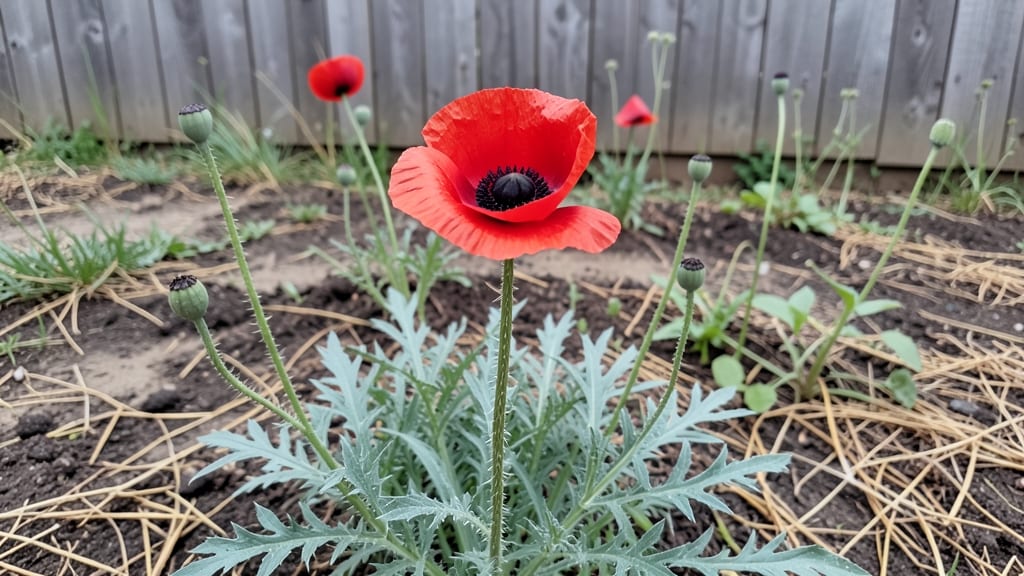
Poppies in your garden aren’t just flowers—they’re the kind of bold statement that makes neighbors pause and say, "How’d you do that?" 🌸 I’ve filled my borders with these sun-loving stars, and they’ve turned my garden from ordinary to showstopper every spring.
Their papery petals and dramatic height create movement where other plants stand still, while their quick growth fills gaps faster than anything else I’ve tried.
The secret to their magic isn’t complicated—just full sun, well-drained soil, and a little patience. California poppies spill like golden waterfalls, while opium poppies add deep burgundy drama. Pair them with lavender for contrast or let them mingle with wildflowers for a meadow effect.
Even in cottage gardens, their airy stems soften the look while stealing the show.
What you’ll get is a garden that feels alive with color—vibrant blooms that last weeks, even in partial shade if you choose the right varieties. The best part?
They self-seed like crazy, so once established, they multiply without effort. Imagine waking up to fields of red, orange, or yellow where you once had bare soil.
Works in borders, meadows, or even containers—just give them room to sway. Here’s how to place them for maximum impact without the fuss. Let’s make your garden unforgettable!
📚 In This Guide
- What you need
- Instructions
- Tips and common mistakes
- Wrapping up and next steps
What you need
- ● Poppy Seeds: Choose between annual poppies (e.g., Papaver rhoeas or Papaver somniferum) or perennial varieties. Buy 1–2 packets (5–10g each) for a small garden or 5+ packets for larger areas.
- ● Well-draining soil: Poppies thrive in sandy, loamy, or slightly rocky soil with a pH of 6.0–7.5. Amend heavy clay with compost or perlite (1 part per 3 parts soil).
- ● Sunlight: A full-sun spot (6+ hours/day) is a must—poppies will sulk in shade!
- ● Garden trowel or hand fork (for seed planting/transplanting).
- ● Rake or hoe (to loosen soil and create furrows).
- ● Watering can or hose with a gentle spray nozzle (poppy seeds need light moisture, not soaking!).
- ○ Garden gloves (optional but handy for prickly stems).
- ○ Mulch (straw or shredded leaves) (optional, to retain moisture and deter weeds).
- ● Fertilizer: A low-phosphorus, balanced fertilizer (5-5-5) (use sparingly—poppies hate rich soil!).
- ● Epsom salt (magnesium sulfate) (1 tbsp per gallon of water, once during growth for vibrant blooms).
- ● Cage or support (for tall varieties like Papaver orientale, which may need staking).
- ● Succession planting seeds (for extended blooms—plant every 2–3 weeks in spring).
Step-by-step guide to planting poppy seeds for stunning garden color
Here's how to grow poppies from seed—easy, fast, and with results that'll make your garden the envy of the neighborhood.
🌱 Step 1: Choose the Perfect Planting Spot
Poppies thrive in full sun, so pick a location that gets at least 6-8 hours of direct sunlight daily. They tolerate poor soil better than most flowers, but they'll reward you with bigger blooms if you prep the bed with 1-2 inches of compost worked into the top 6 inches of soil. Avoid heavy clay or soggy spots—poppies hate wet feet.
I like to plant mine where they can spread naturally, like along a fence line or at the front of a border. The self-seeding habit means they'll return year after year if you leave the seed heads on a few plants. Just don't plant them where you'll be digging often—their taproots are delicate and break easily.
🌱 Step 2: Scatter Seeds Directly in the Garden
Poppy seeds are tiny, so don't worry about spacing—just scatter them ¼ inch deep in the soil. I find it easiest to mix them with a little sand first, then sprinkle the mixture evenly over the bed. Lightly rake to cover them, but don't press too hard or you'll bury them too deep.
Keep the soil consistently moist until germination, which usually happens in 10-20 days. You'll see the first green shoots poking through when the soil feels cool to the touch—this is your cue to back off on watering. Once they're up, poppies are drought-tolerant and will fend for themselves.
☀️ Step 3: Support Growth and Prevent Overcrowding
Thin seedlings to 6-12 inches apart when they're 2-3 inches tall, leaving the strongest plants. This might seem harsh, but crowded poppies produce fewer, smaller blooms. I use a small trowel to gently lift out extras and replant them in another spot if I want more.
Poppies grow fast—some varieties can reach 3-4 feet tall—so they often need staking, especially in windy areas. I like to use 3-foot bamboo stakes placed at planting time, then loosely tie the stems as they grow. The stakes should be 1 inch from the plant stem to avoid damaging the delicate stems.
✂️ Step 4: Enjoy the Blooms and Encourage More Growth
Poppies bloom quickly, often within 60-70 days of planting. Deadhead spent blooms by snipping the flower head off just above the first set of leaves to encourage more flowers. Leave a few seed heads on the plant if you want next year's crop—poppies self-seed readily and will pop up wherever they land.
After the first flush of blooms, you might see a second wave in late summer if conditions are right. Water only when the soil feels dry 2 inches down—poppies store moisture in their roots and don't need frequent watering. Overwatering is the fastest way to kill them.
🌿 Step 5: Prepare for Next Season
In fall, cut back the stems to 2 inches tall and leave the seed heads on a few plants to scatter naturally. Poppies are winter-hardy in most climates, so they'll resprout in spring. If you want to control where they grow, collect the seeds in late summer when they turn brown and dry.
I always mark my poppy patches with a small stake so I don't accidentally dig them up when prepping the garden. They'll naturalize over time, creating a stunning, low-maintenance display that comes back year after year with almost no effort.
Tips & tricks for perfect poppy seed planting
Planting poppy seeds is easier than you think—here are the tricks that'll help you avoid common mistakes and get the most vibrant blooms possible.
The Sunlight Secret: While poppies tolerate partial shade, that 6-8 hours of direct sunlight is non-negotiable for the boldest blooms. I've seen poppies in partial shade still flower, but they'll be smaller and less vibrant. If your garden has areas with only 4-5 hours of sun, consider planting shade-tolerant varieties like Iceland poppies instead of the classic oriental poppies.
Timing Secret: Those 10-20 days until germination can feel like forever, but don't rush it! The key is keeping the soil consistently moist during this period. I like to use a gentle misting bottle rather than a heavy watering can—this prevents washing the tiny seeds away while keeping them hydrated. Once you see those first green shoots, you can reduce watering dramatically.
Thinning Technique: The 6-12 inch spacing recommendation might seem generous, but trust me on this. I've learned the hard way that crowded poppies produce fewer, smaller blooms. When thinning, focus on leaving the strongest, most upright seedlings. You can replant the extras in another spot if you want more poppies—just be gentle with those delicate taproots!
Staking Strategy: For those 3-4 foot tall varieties, staking is a game-changer in windy areas. I place the 3-foot bamboo stakes at planting time, then loosely tie the stems as they grow. The trick is keeping the stakes 1 inch away from the stems—this prevents damage while still providing support. You can also use decorative metal stakes if you prefer something more permanent-looking.
Pro Tips for Poppy In Garden
- Planting poppy seeds is easier than you think—here are the tricks that'll help you avoid common mistakes and get the most vibrant blooms possible.
- The Sunlight Secret: While poppies tolerate partial shade, that 6-8 hours of direct sunlight is non-negotiable for the boldest blooms.
- Timing Secret: Those 10-20 days until germination can feel like forever, but don't rush it!
Frequently asked questions
Got questions about growing poppies in your garden? You’re not alone! Here are answers to the most common queries to help you cultivate these stunning blooms with confidence.
When is the best time to plant poppy seeds in the garden?
Poppy seeds thrive when sown directly in the garden during early spring (as soon as the soil is workable) or late summer for fall blooms. They dislike transplanting, so avoid starting them indoors. For cooler climates, wait until after the last frost—poppies are frost-tolerant but need consistent moisture to germinate.
How often should I water poppy plants?
Poppies are drought-tolerant once established, but young seedlings need consistent moisture to prevent wilting. Water lightly but frequently (every 2–3 days) until sprouts appear, then taper off to avoid fungal issues. Overwatering can lead to leggy stems or rot—let the soil dry slightly between waterings after germination.
Why aren’t my poppy seeds germinating?
Poppy seeds can be finicky! Try these fixes:
- Fresh seeds: Poppies often lose viability quickly—use seeds from the current year.
- Light exposure: They need sunlight to germinate; don’t bury them deeply (just press them into soil).
- Temperature: Ideal soil temps are 60–70°F (15–21°C). Use a heat mat if sowing early.
- Patience: Germination can take 2–4 weeks—don’t give up!
Can I grow poppies in containers or small gardens?
Dwarf varieties like Papaver commutatum or Papaver rhoeas (corn poppy) thrive in containers (at least 6–8 inches deep). Use well-draining soil and place pots in full sun. Just avoid overcrowding—space seedlings 6–12 inches apart for airflow and vibrant blooms.
Are poppies toxic to pets or children?
Most poppies are non-toxic to pets and humans, but opium poppies (Papaver somniferum) contain alkaloids that can cause mild stomach upset if ingested in large quantities. Stick to ornamental varieties like California poppies (Eschscholzia) or Iceland poppies (Papaver nudicaule) for pet-safe gardens. Always supervise kids around plants!
What can I do if my poppies flop over or look leggy?
Leggy poppies often result from too much shade or inconsistent light. Move them to a sunnier spot immediately. For flopping stems, gently stake them with tall, slender supports (like bamboo stakes) or plant them near a fence/wall for natural backing. Deadheading spent blooms encourages more flowers and prevents flopping.
Wrapping up and next steps
Adding poppy seeds to your garden is a rewarding way to bring vibrant, effortless beauty to your outdoor space. These bold blooms thrive with minimal fuss, offering a stunning contrast to any border while attracting pollinators like bees and butterflies.
Whether you’re a seasoned gardener or just starting, poppies are the perfect choice for quick, eye-catching results.
Ready to transform your garden? Grab your supplies, follow the simple steps, and watch your yard burst into color! 🌸 For extra inspiration, explore companion planting ideas or experiment with different poppy varieties to keep your garden dynamic year after year.