
Vegetables
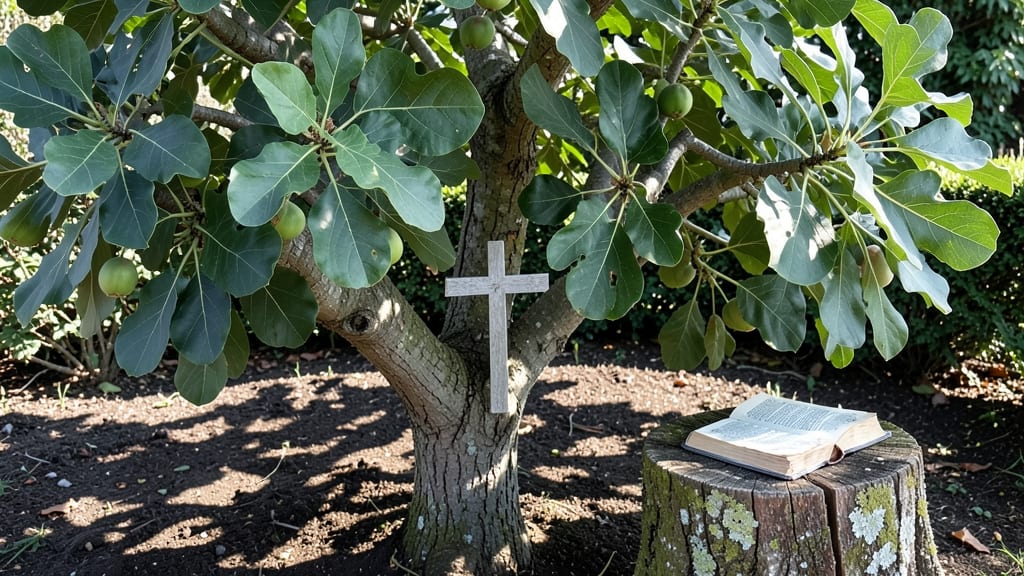
The Bible’s garden imagery begins with Eden, where God planted a flourishing paradise for humanity to tend. 🌱 This early passage establishes gardens as places of divine partnership—where humans work alongside God to cultivate beauty and abundance.
Later, Jesus uses gardening metaphors like the vineyard parable (John 15) to teach about faith, fruitfulness, and dependence on Him. The connection between gardens and spiritual growth runs deep, showing how earthly labor reflects heavenly values.
What’s fascinating is how these biblical gardens contrast with human attempts at self-sufficiency. For example, the Promised Land’s fertile orchards (Numbers 13:27) highlight God’s faithfulness, while Jesus’ parable of the sower (Matthew 13) ties gardening to the challenges of spiritual growth.
Whether through Eden’s trees or Solomon’s vineyards, gardens in scripture become living illustrations of trust, stewardship, and divine provision.
💡 In This Article
- Biblical Gardens: Eden, the Promised Land, and Symbolic Meaning
- Gardening Lessons from the Bible: Practical Faith Applications
Biblical gardens: Eden, the Promised Land, and symbolic meaning
The garden of Eden serves as the original blueprint for biblical horticulture, where God planted every tree for beauty and sustenance (Genesis 2:8-9). This wasn't just a lush landscape—it was a 30-mile radius of carefully cultivated space, featuring four rivers (Pishon, Gihon, Hiddekel, and Euphrates) that created ideal irrigation.
The Tree of Life at its center symbolized eternal nourishment, while the Tree of Knowledge represented boundaries between divine wisdom and human autonomy.
Fast-forward to the Promised Land, where biblical gardens took on agricultural significance. Numbers 13:27 describes its fertility: "a land flowing with milk and honey," with vineyards producing grapes in clusters as large as a man's head.
Solomon's orchards (1 Kings 4:25) became legendary, supplying 30,000 measures of wine annually—enough to fill 150,000-gallon storage vats. These weren't just food sources; they were economic powerhouses demonstrating God's provision when humans worked in partnership with Him.
The symbolic depth runs even deeper in prophetic visions. Ezekiel 47:12 describes a future river flowing from the temple, producing fruit 12 times a year—one harvest per month—with leaves for healing. This isn't natural biology; it's a divine promise of supernatural abundance.
Meanwhile, Isaiah 5:7 uses vineyard imagery to condemn Israel's failure to produce spiritual fruit, showing how gardens became metaphors for moral cultivation.
Jesus elevated this symbolism in John 15:1-8, calling Himself the true vine and believers the branches. The gardening metaphor here shifts from physical cultivation to spiritual growth: pruning (John 15:2) becomes necessary for producing more fruit, just as a gardener trims plants to encourage healthier growth.
The 120-day growing season in Israel mirrors the 40-day Lent period—both requiring patience and careful tending.
What makes these gardens sacred isn't their size or productivity, but their purpose: they reflect humanity's calling to co-create with God. Eden's expulsion (Genesis 3:23) shows how broken stewardship leads to toil, while the Promised Land's gardens demonstrate restored relationship.
Even Jesus' parables (Matthew 13:24-30) use weeds and wheat to teach that spiritual growth requires both divine intervention and human effort—just like tending a garden.
Modern gardeners can see this principle in action: when we pray over seeds or share harvests, we're participating in the same sacred rhythm God established in Eden.
The 40-day growing cycle of many vegetables mirrors the biblical themes of testing and renewal, while community gardens echo the shared abundance of Solomon's vineyards.