
Pests
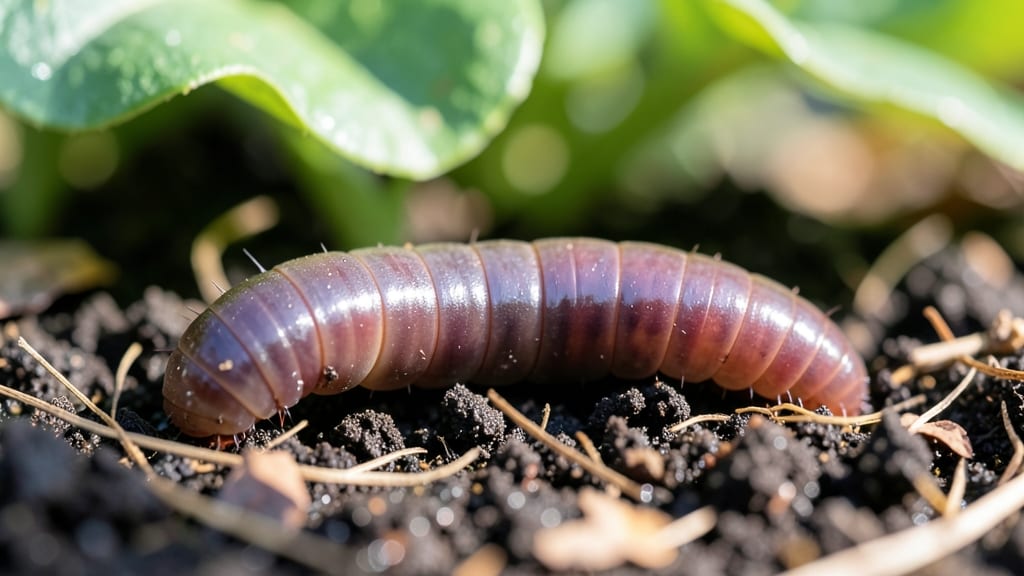
Garden worms eat decomposing organic matter like fruit and vegetable scraps, coffee grounds, crushed eggshells, and damp leaves, thriving on nitrogen-rich materials while avoiding meat, dairy, or oily foods that harm soil health.
Garden worms, often called "nature's recyclers," primarily feast on plant-based materials breaking down in your yard. 🌱 Their diet includes kitchen scraps like banana peels, tea bags, and shredded paper—anything that's carbon-rich and biodegradable.
What makes them so effective is their ability to process these materials into nutrient-dense castings, which act like natural fertilizer. Unlike many creatures, they steer clear of animal products or processed foods, as these can disrupt their digestive systems and soil balance.
For optimal worm care, aim to provide a mix of greens (nitrogen-rich) and browns (carbon-rich) in a 1:2 ratio. This balance keeps their environment healthy and prevents odors. For example, a handful of coffee grounds mixed with dried leaves creates the perfect worm buffet.
Just remember: too much citrus or onions can be toxic, so always check before tossing scraps into their habitat.
💡 In This Article
- How Worms Digest Organic Waste in Soil
- Safe vs Unsafe Food Scraps for Worm Bins
How worms digest organic waste in soil
Garden worms, particularly Eisenia fetida (red wigglers), possess a specialized digestive system designed to process cellulose-rich materials. Their gizzard—a muscular, sandpaper-like organ—grinds up food particles with the help of ingested soil particles, creating a fine slurry.
This mechanical breakdown exposes organic matter to enzymes like cellulase, which breaks down complex carbohydrates into simpler sugars the worm can absorb. The entire process takes about 24-48 hours, transforming scraps into nutrient-rich castings that are 5-10 times more fertile than the original material.
The magic happens through microbial partnerships. Worms maintain a symbiotic relationship with gut bacteria that further digest materials their own enzymes can't handle.
For instance, when worms consume 1 gram of food, they produce 0.5 grams of castings daily—a process that also aerates soil by creating tunnels up to 12 inches deep.
Their digestive efficiency is so high that they can process their body weight in food daily, making them exceptional recyclers. The nitrogen-to-carbon ratio in their diet (ideally 1:25 to 1:30) ensures balanced microbial activity in the soil ecosystem.
Here's what's actually happening chemically: Worms convert cellulose (a tough plant polymer) into glucose through enzymatic hydrolysis, while microbial action in their gut produces humic acids—key components of healthy soil structure. The result?
Castings contain 5x the nitrogen, 7x the phosphorus, and 11x the potassium of the original waste, plus beneficial microbes like Pseudomonas and Bacillus strains that boost plant growth. This microbial boost explains why worm castings outperform synthetic fertilizers in long-term soil health.
What most people don't realize is how worms' digestive process improves soil aeration. As they move through soil, their bodies secrete mucus that binds soil particles while creating channels for air and water movement.
These tunnels increase soil porosity by up to 30%, allowing roots to penetrate deeper and microbial activity to thrive. The physical mixing action from worm movement distributes nutrients more evenly than tilling, which can disrupt soil structure.
For example, a single worm can process half its body weight in food daily while creating enough tunnels to improve drainage in compacted soil.
The temperature plays a crucial role too. Worms are most active between 55-77°F, where their digestive enzymes work optimally. Below 40°F, their metabolism slows dramatically, while above 85°F, they seek cooler conditions to prevent protein denaturation in their digestive tract.
This temperature sensitivity explains why worm bins need insulation in winter and shade in summer. The ideal moisture level—60-80% humidity—keeps their digestive enzymes active without creating anaerobic conditions that produce harmful gases.
Consider this comparison: A single pound of worms can process 2-3 pounds of kitchen scraps per week while producing 1 pound of castings daily. This efficiency makes them invaluable for urban composting systems where space is limited.
The key to maximizing their digestive power lies in maintaining the right balance of greens (nitrogen sources) and browns (carbon sources), which prevents pH imbalances that could inhibit enzyme activity in their gizzards.